









Social media on trial: The lawsuits that could reshape the industry
As Meta and YouTube head to court, the stakes echo the historic tobacco settlements of the 1990s.
Is social media addictive, and does it cause psychological harm to its users? Are today’s social platforms the cigarettes of the digital age, and are social media giants merely the modern incarnation of tobacco companies? These questions lie at the heart of a growing wave of lawsuits against Meta, TikTok, Snap, and Google’s YouTube. The first of these cases entered the courtroom earlier this week, with additional trials expected to unfold over the coming year in what have come to be known as the “addiction trials.”
A plaintiff victory could mark the beginning of the end for thousands of lawsuits already filed in the United States by teenagers, educational institutions, and state prosecutors. These suits allege that the companies deliberately designed their platforms to promote addictive use among millions of young people, causing significant psychological harm. Such a ruling could also open the door to millions of additional claims, including large-scale class actions, potentially costing the companies billions of dollars and forcing sweeping changes to their products. Yet, as history has shown in the tobacco litigation of the late 20th century, taking on companies with vast financial resources and powerful legal defenses is far from straightforward.
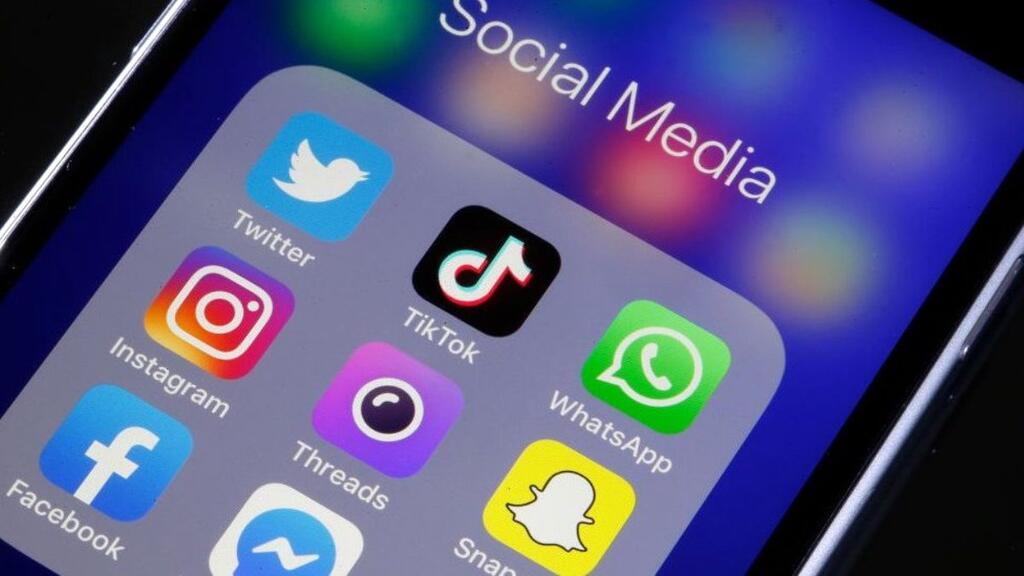
The first trial began on Tuesday in Los Angeles with jury selection. The plaintiff, a 20-year-old California resident identified by the initials KGM, filed the lawsuit in 2023 against YouTube, Meta, Snap, and TikTok. According to the complaint, she opened a YouTube account at age eight, joined Instagram at nine, Musical.ly (later rebranded as TikTok) at ten, and Snapchat at eleven. She alleges that she became addicted to the platforms and subsequently suffered from anxiety, depression, and body-image issues.
KGM’s attorneys argue that social media platforms should be treated as addictive products, comparable to cigarettes. They contend that features such as beauty filters on Instagram and Snapchat promote harmful social comparisons, particularly among young users, and contribute to body-image disorders. To support their claims, they plan to introduce internal company documents from the past decade that show executives were aware of the negative effects of their products. The plaintiffs will argue that, despite this knowledge, the companies prioritized growth and profits over user well-being.
According to the lawsuit, internal debates at Meta illustrate this tension. In 2019, the company removed certain beauty filters from Instagram. In the months that followed, executives urged Mark Zuckerberg to reconsider plans to reintroduce them, warning that the filters were linked to body-image issues among young users, particularly teenage girls. One executive reportedly described the impact the filters had on her own daughter. Meta ultimately began restoring the filters. At YouTube, internal documents show executives discussing ways to make the platform more “addictive” in order to “keep users coming back more often.”
Legal experts say the case represents one of the most serious legal threats yet faced by the social media industry. “This is a groundbreaking lawsuit against very large, very powerful companies that have so far managed to evade liability more successfully than firms in many other industries,” Benjamin Zipursky, a professor at Fordham University School of Law, told The New York Times. “They may face real exposure here.”
Snap and TikTok opted not to test that exposure in this case. In recent days, both companies reached settlement agreements with KGM for undisclosed sums, although they continue to face additional lawsuits. The case against Meta and YouTube, however, is proceeding, and any ruling could have broad implications for the dozens of related cases already filed against them. The trial, expected to last between six and eight weeks, is set to include testimony from Meta founder and CEO Mark Zuckerberg and YouTube CEO Neal Mohan, among others. Absent a settlement, the litigation could stretch on for years, with appeals likely following each major ruling.
Commentators have drawn parallels between the social media addiction cases and the landmark lawsuits brought against U.S. tobacco companies in the 1990s. In those cases, plaintiffs argued that cigarette makers knowingly engineered addictive products, understood the health risks, and concealed internal research from the public.
The most consequential of those cases culminated in the 1998 Master Settlement Agreement, under which tobacco companies agreed to pay $206 billion in damages, roughly $410 billion in today’s dollars. Equally significant were the regulatory changes that followed, including restrictions on advertising to children, limits on smoking in public spaces, and a sharp decline in smoking rates nationwide.
"This is ground zero for our fight against social media," said the lead attorney in the Los Angeles trial, Joseph VanZandt. "We will set new expectations and standards for how social media companies can treat our children."
Social media companies, to their dismay, are likely to take a similar line of defense to that of tobacco companies, arguing that there is no scientific evidence that social media is addictive, and that the lawsuits violate free speech protections online. Meta said the lawsuit arbitrarily used statements from executives and internal documents and that it “oversimplified” the problem. “Clinicians and researchers have found that mental health is a complex and multifaceted issue, and that trends in adolescent mental well-being are not simple, clear-cut, or universal,” the company said in a blog post. YouTube says it is not social media at all, and has created products that provide broad protections like YouTube Kids. “Creating a safer, healthier experience for young people has always been at the core of our work,” the company said.
Julianna Arnold, whose daughter Coco died in 2022 at age 17 from a drug overdose she purchased on Instagram, said she hopes the lawsuits will fill the vacuum created by the lack of regulation and force companies to make changes. “These lawsuits are our new hope for a world that is seeing how dangerous social media platforms can be,” she told the New York Times.



