










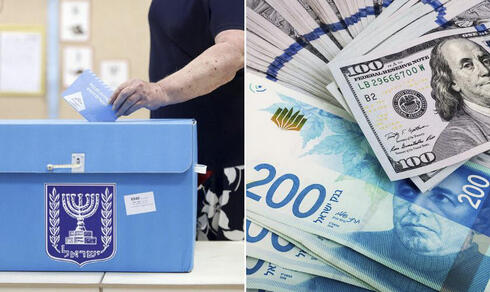
Shekel reverses sharply as Israel’s election results unsettle markets
The dollar rose against the shekel and the euro gained as preliminary results added to political uncertainty. Global markets are also watching for the Federal Reserve’s next signal on interest rates.
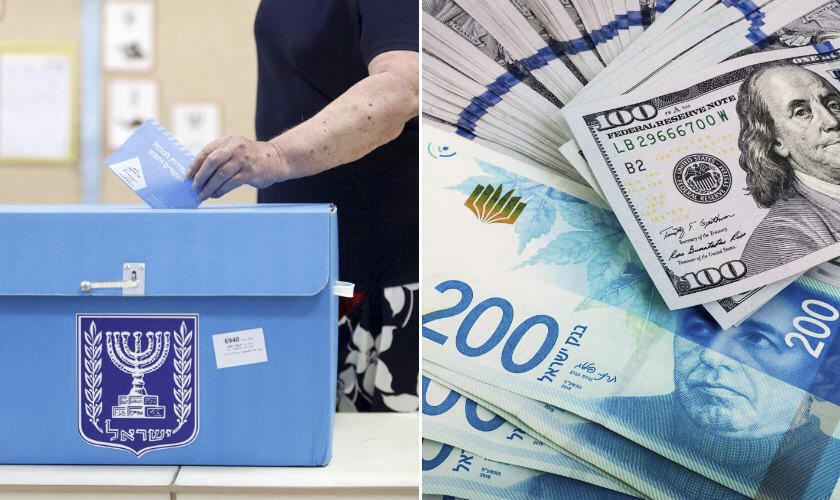
The shekel reversed course on Wednesday after rising sharply a day earlier, weakening as preliminary Israeli election results heightened political uncertainty. The dollar rose to around NIS 3.08, while the euro gained to trade above NIS 3.42.
In global currency markets, the dollar index edged up 0.1% to 102.4 points. The euro slipped 0.1% to just above $1.11, while the pound fell 0.2% to slightly below $1.33. In Japan, the dollar traded at around 157.9 yen, with the market broadly stable.
Investors are also looking ahead to the Federal Reserve’s interest rate announcement. Market expectations point to rates remaining unchanged at 4% on Wednesday, with futures contracts assigning a 90% probability to that outcome.
Markets are pricing in a different outlook for the months ahead, with an estimated probability of more than 80% of a rate hike at the December meeting. That would be followed by a pause at the January 27 meeting and another increase on March 17, according to current market pricing.
Investors will be watching for clues about the policymakers’ next steps, particularly from Fed Chairman Kevin Warsh, despite his strong opposition to signaling future policy moves in advance.
The Fed faces a difficult balancing act. Inflation has remained above its approximately 2% target for an extended period, with the annual rate reaching 3.7% in September, driven largely by a surge in energy prices. The core inflation index, which excludes food and energy, rose by 2.6%.
At the same time, housing market data point to mounting pressure on the sector, primarily because of high mortgage rates. The labor market, by contrast, appears to be stabilizing, with layoffs remaining at very low levels.
Further rate increases could add to the strain on housing while also weighing on employment. The Fed must therefore balance the need to contain persistent inflation against the risk that tighter monetary policy could weaken an already pressured housing market and undermine labor-market stability.



