










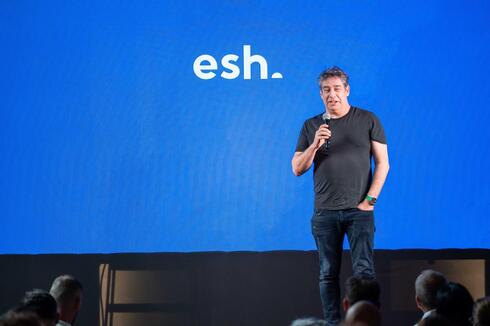
Isracard walks away from planned acquisition of Nir Zuk's Esh bank
Months of negotiations and due diligence ended without a binding agreement, scrapping a deal that would have accelerated Isracard's push into digital banking.
Isracard has abandoned its planned acquisition of digital bank Esh, ending months of negotiations with the startup founded by cybersecurity entrepreneur Nir Zuk.
After months of talks, during which the parties also conducted due diligence, Isracard announced on Sunday that the memorandum of understanding between the two sides had expired without being extended. As a result, no binding agreement was signed and the deal will not proceed.
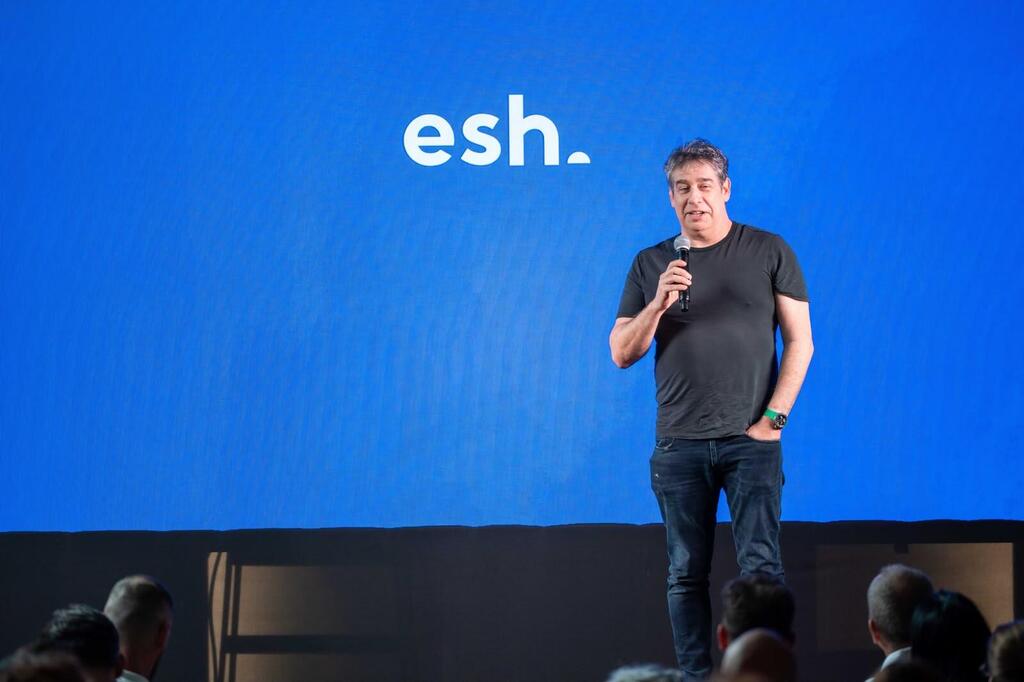
Calcalist first revealed the negotiations between Isracard and Esh in May last year. The talks gained momentum after Delek Group, controlled by Yitzhak Tshuva, completed its acquisition of Isracard in August 2025.
Under the framework outlined in March this year, Isracard was expected to acquire esh at a valuation of NIS 400 million in a combination of cash and shares. In addition, it planned to acquire a 25% stake in the bank's technology company through a $40 million investment.
Although Esh has officially launched operations, it is currently operating on a limited scale with a relatively small customer base.
According to the proposed transaction, esh's existing shareholders, including controlling shareholder Nir Zuk (13.2%), co-founder and CEO Yuval Aloni (17.9%), and Clal Insurance (11%), were to receive Isracard shares worth a total of NIS 400 million.
The transaction was structured in two stages. Shares worth NIS 250 million were to be allocated upon closing, with an additional NIS 150 million to be issued later, subject to the achievement of agreed milestones.
Had the deal been completed, Isracard would have entered the digital banking market through Esh, positioning itself as a direct competitor to One Zero, the branchless digital bank controlled by Amnon Shashua.
The proposed acquisition came against the backdrop of Israel's "thin banks" reform, which would allow credit card companies and other financial institutions to obtain banking licenses and offer customer deposits under relatively lighter capital requirements. The legislation has already been approved by the Ministerial Committee for Legislation and is awaiting final approval by the Knesset.
Last month, a U.S. federal regulator approved Zuk’s move to become a significant shareholder in the parent company of Liberty Bank, a California-based federally regulated lender.
The approval was granted by the Federal Reserve Bank of San Francisco, clearing the Palo Alto Networks founder to acquire a substantial stake in the bank’s holding company. If completed, the deal would position him as a major shareholder in Liberty Bank, which is headquartered in Irvine, California and manages approximately $400 million in assets.
Liberty Bank operates under federal supervision by the Office of the Comptroller of the Currency (OCC) and is insured by the Federal Deposit Insurance Corporation (FDIC), placing it within the tightly regulated framework governing U.S. national banking institutions.



