










Opinion
If everyone can build everything, what is left to compete on?
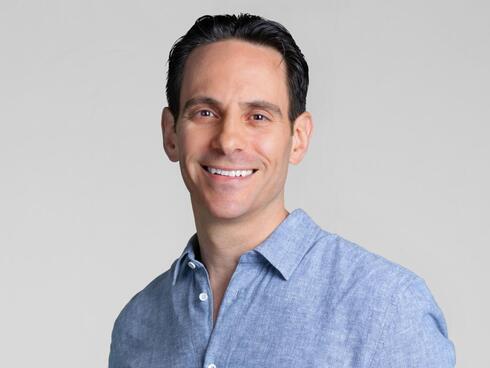
Adam Fisher explains how AI has collapsed the cost of building more, and the buyer who matters now wants a new org chart, not a point solution.
"The man who does not read has no advantage over the man who cannot read." I can't improve on this quote that implores people to read books, but I can borrow its shape.
"The startup that does not use its agility has no advantage over the incumbent that has none."

That has always been true. What's changed in the AI era is where agility shows up. It used to be strategic: pivot faster, ship faster, reach the customer before the incumbent noticed. Now it's structural. Development velocity has collapsed the cost of building a second product, and a third, and the customer wants everything to become agentic.
This produces a harder version of the same sentence:
"The AI startup that does not use its agentic development velocity to build a broad product portfolio has no advantage over the SaaS incumbent with three thousand engineers."
This runs against two decades of dogma. Focus was the first commandment of SaaS, and for good reason. A narrow product meant a better product, a clear ICP, and a go-to-market aimed at one knowledgeable buyer inside the organization who was empowered to sign. During the SaaS boom, purchasing power spread out to individual teams and department managers. In the AI era that has changed.
Focus is an initial wedge, not a strategy. Stay narrow too long and you cap yourself at the buyer who owns a workflow, and that buyer cannot authorize the organizational change that moves a real line on the P&L. Only the people above them can, and they aren't buying software. They're buying automated workflows and a new org chart.
Which raises the obvious question. If everyone can build everything, what is left to compete on?
Deployment velocity. Not how fast you ship, but how fast the customer is actually live and seeing impact. Onboarding without friction, integration without a services engagement, no downtime, model flexibility, customization in days.
The moat is no longer the product you built, but how quickly those products deliver results for the customer, and how quickly you can deliver more.
So the conversation inside an AI startup should sound different than it did five years ago. Not "what else should we build," but what not to build, and where a missing product is an open invitation for the next startup to find its wedge.
Focus hasn't died. It moved from the product to the customer.



