










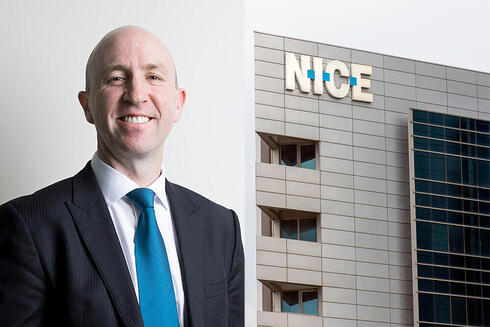
Nice cuts 500 jobs, but investors may be looking for much deeper changes
The layoffs come as the company faces pressure from AI tools that could replace parts of its customer-service software business. Its shares have fallen sharply from their pandemic-era highs, while profitability continues to erode.
After two years of a declining share price and eroding profitability, Nice has reached a point it had long sought to avoid: employee layoffs. On Tuesday, the day before the software company is due to publish its financial results, it emerged that Nice plans to cut 500 jobs worldwide. The company, which develops software for managing customer service operations, employs approximately 10,000 people, meaning the cuts would affect about 5% of its workforce.
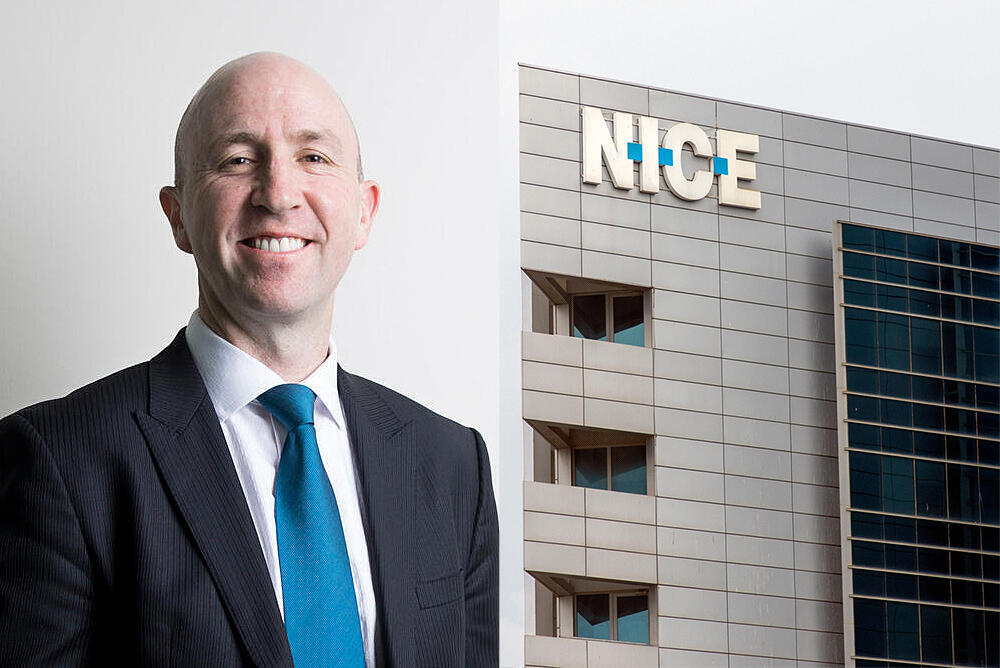
Nice employs approximately 1,000 people in Israel, but it remains unclear whether the local workforce will be affected at the same rate. About three months ago, CEO Scott Russell told Calcalist in a special interview that the company had no plans to cut jobs in Israel, where its operations are focused primarily on research and development.
Layoff announcements are often welcomed by investors seeking evidence of cost discipline and operational streamlining. Nice's shares, however, came under pressure, falling around 5% in Tuesday’s trading on Nasdaq. Investors appear to be expecting a more far-reaching efficiency drive from a company grappling with the disruption caused by AI. Nice itself develops solutions designed to help its customers operate with fewer employees, raising questions about whether it, too, will eventually need a significantly smaller workforce as it adopts the technology.
Nice, once one of Israel's most valuable companies, with a market capitalization approaching $20 billion at the height of the COVID-19 pandemic, has endured a difficult two years. Its market value has fallen to approximately $6 billion. The decline has come even though the company's operating performance has not yet fully reflected the scenario investors appear to be pricing in: a future in which Nice's software becomes less relevant as customers replace it with simpler, internally developed AI tools.
What has become more apparent is the pressure on Nice's profitability, driven in part by lower prices offered to retain existing customers and persuade them to renew their contracts. The company maintains a strong position among large enterprises, with 85% of Fortune 500 companies among its customers. But even these organizations are exploring how AI could transform their operations.
In response, Nice acquired German company Cognigy for $1 billion a little over a year ago. Cognigy develops AI-based customer service technology, including AI agents capable of handling voice interactions. The acquisition was the first major strategic move by Russell, who became CEO nearly two years ago, succeeding Barak Eilam, who had led the company for a decade.
At the same time, Nice is seeking a buyer for its Actimize division, which is valued at approximately $2 billion. The business provides software for financial crime, risk and compliance management, an area that Nice considers outside its core focus. No deal has been finalized. A sale of the division, which is highly profitable, could further affect Nice's overall earnings and add to the pressure to reduce costs.
Nice is on track to generate more than $3 billion in revenue this year, a first in its history, assuming it meets its forecast of 10% growth. However, earnings per share are expected to decline by nearly $1, to approximately $11, despite an aggressive share buyback program.
In the second quarter, Nice reported revenue of $782 million, an increase of 8%. Its gross margin fell to 64%, compared with 66.8% in the same quarter last year. Operating profit declined to $104 million, while the operating margin fell to 13%, from 22% a year earlier. Net profit came to $83 million, down by more than 50% from the corresponding quarter last year.
For Nice, 2026 is a year of investment. The company is investing in technology following the acquisition and integration of Cognigy, while also increasing marketing efforts as it seeks to expand geographically. Nice expects profitability to improve next year and is maintaining its long-term target of reaching $3.5 billion in revenue by 2028.



