










State returns to insuring cargo against war and terrorism
The program, which will be operated through the Tax Authority's compensation fund, is designed to ensure continuity in imports and exports when commercial insurance companies are not willing to bear the risk. In the previous wave, it insured cargo for dozens of companies worth more than a billion dollars.
The state is once again acting as the insurer of Israel's foreign trade. The Ministry of Finance and the Tax Authority announced that the cargo insurance program against war and terrorism risks will be reactivated as of September 1, 2026. The program, operated through the Tax Authority's compensation fund, is designed to allow importers and exporters to continue transporting goods to and from Israel even when commercial insurance companies are having difficulty or are unwilling to bear the security risk.
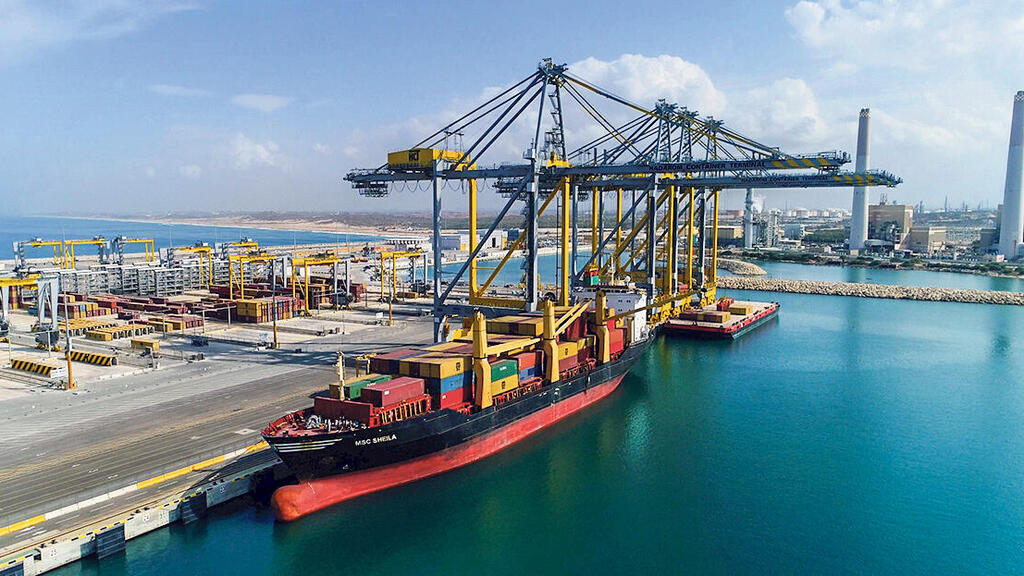
The program was previously operated until mid-June, and within its framework, cargoes of dozens of importers and exporters were insured for a total amount of more than a billion dollars. According to the Ministry of Finance, the decision to renew it was made following requests from the business sector and importers' associations, amid concerns that the private market would not have sufficient insurance supply in light of the security risks and expected burdens.
Cargo insurance is a significant component of the international trade chain. When cargo is en route to Israel, on a ship, plane, port or land crossing, it is exposed not only to normal damage such as accident, fire or theft, but also to risks arising from war and terrorism, as Israel has experienced in recent years. Coverage for these risks is not always included in regular commercial policies and some insurance companies even refuse to deal with it. Even if a company finds an insurance company, during periods of escalation such insurance may become very expensive or limited.
From the economic point of view, the significance is not limited to protecting the value of the goods themselves. Without appropriate insurance, importers may avoid ordering cargo or demand a higher risk premium, shipping and aviation companies may reduce activity, and the cost may ultimately be passed on to product prices. At the same time, exporters may have difficulty obtaining coverage that will allow them to send goods to customers abroad.
Therefore, the state seeks through the program to reduce the risk that the security situation will also become a financial barrier to trade activity. In fact, the compensation fund serves in this case as a kind of "insurer of last resort," with the state taking on a risk that the private market has difficulty absorbing.
The Ministry of Finance emphasizes that the purpose of the innovation is to ensure certainty and continuity in the supply chain, and to enable the flow of essential goods even in a period of security uncertainty. Accountant General Michal Abadi-Boiangiu defined the move as a "layer of national defense," while Tax Authority Director Shai Aharonovitch noted that the program is intended to serve as an anchor when commercial insurance entities prefer to avoid exposure to risks.



