










Opinion
Your next business might last six months. That can be enough.
"A business can support you between jobs, give you experience or show you that a line of work is not the life you want," writes Tom Lahat, co-founder and CXO of Tailor Brands. "Closing it does not erase that value."
Starting a business is still framed as a leap: leave the job, choose the idea and commit. But people also keep a job while testing a service on weekends, formalize freelance work after customers appear, or run several small businesses around different skills. A business does not have to become your entire identity to be worth starting.
For some, the trigger is a less predictable job market. When the job search stalls, a business can keep income moving until the next corporate role. Sometimes it becomes the career. Sometimes it pays the rent for six months. Both count.

A business can also fill an experience gap. A marketer who cannot get hired without more hands-on experience can take on clients, build a portfolio and return to the job market with something concrete to show. The familiar absurdity: you need experience to get the job that would give you experience. A small business can offer a way around it.
It can teach skills a corporate role never exposes you to: pricing, selling, managing cash and dealing directly with customers. Inside a company, you might own one part of the process. Running a business means finding out how the parts connect. Even if it closes, those skills remain.
The scale is substantial. Census Bureau data for 2023 counted 36.4 million U.S. businesses, including 30.4 million without paid employees. Roughly five in six. These figures do not tell us how many were deliberately temporary. They do show how much business activity happens outside the familiar model of a company with a payroll.
AI and cheaper digital tools shorten the path from idea to market test. An idea you have in the shower can become a domain, basic branding and infrastructure by lunchtime. LLMs can help test assumptions about pricing and demand before much money is spent. But the first useful signal is still a paying customer. Referrals and word of mouth still matter. AI can suggest a price. It cannot make someone trust you enough to pay it.
The test also covers the person behind the business: whether it produces the income you need, whether you want it as a career, and whether the life around it suits you. Finding customers does not mean you want to spend twenty years doing the work.
One person might run consulting, gardening and coaching runners at the same time. Each draws on a different skill and serves a different market. None needs to be a lifelong calling. Together, they can create several sources of income.
There are limits. A restaurant with a lease, payroll and equipment is harder to unwind than weekend consulting. Inventory and debt raise the stakes. As commitments grow, the evidence has to get stronger: customers pay, the work can be delivered repeatedly, the economics make sense, and people come back.
Cheap iteration also has a trap: a weak idea is easy to keep alive because another attempt feels inexpensive. There is nothing romantic about staying loyal to a business model that customers keep rejecting. Persistence makes sense when the evidence improves.
Three businesses still mean three sets of filings, permits and responsibilities. Each has to be run properly, and closed properly. The flexibility is in the career around them: employment, a side business, self-employment and back again.
A business can support you between jobs, give you experience or show you that a line of work is not the life you want. Closing it does not erase that value. It can deserve real effort without defining the rest of your career.
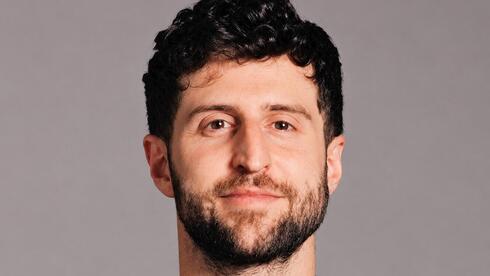
Tom Lahat is co-founder and CXO of Tailor Brands.



