










White House weighs $10 billion Intel stake through Chips Act conversion
Proposal would transform $10.9 billion in grants into a 10% ownership slice.
The Trump administration is in talks to take a 10% stake in Intel by converting some or all of the struggling company’s Chips Act grants into equity, Bloomberg News reported, citing a White House official and other people familiar with the matter.
A 10% stake in the American chipmaker would be worth about $10 billion.
Intel has been slated to receive a combined $10.9 billion in Chips Act grants for commercial and military production, an amount roughly equal to the value of the proposed government holding, according to Bloomberg’s report on Monday.
1 View gallery
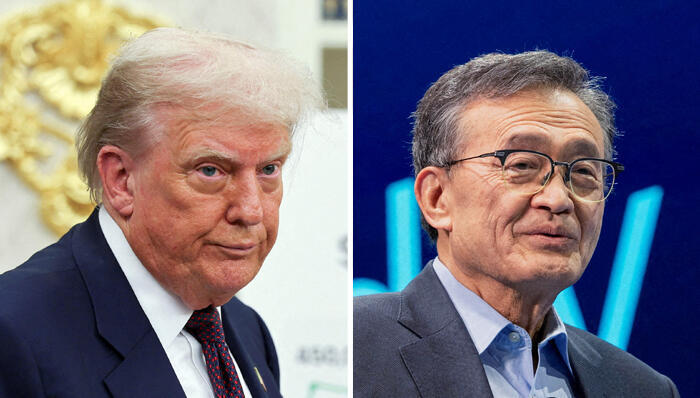
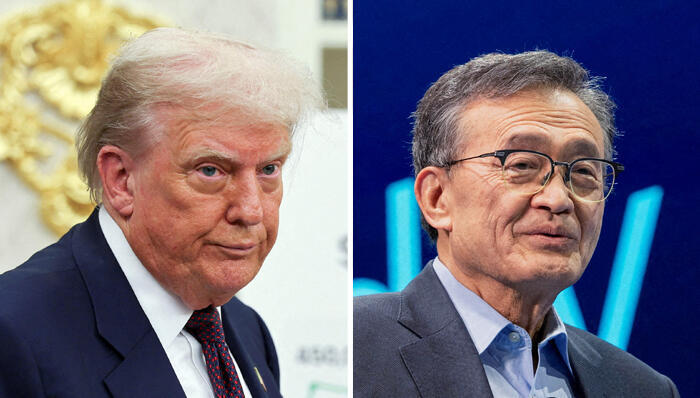
Donald Trump and Intel CEO Lip-Bu Tan.
(Photos: REUTERS/Laure Andrillon REUTERS/Jonathan Ernst )
Media reports said last week that the U.S. government may buy a stake in Intel following a meeting between CEO Lip-Bu Tan and President Donald Trump. The meeting was prompted by Trump’s demand for the new Intel chief’s resignation over his ties to Chinese firms.
Analysts said federal backing could give Intel breathing room to revive its loss-making foundry business. However, the company continues to face a weak product roadmap and difficulties attracting customers to its new factories.
Trump, who called the meeting with Tan “very interesting,” has taken an unprecedented approach to corporate intervention. He has pushed for multibillion-dollar government tie-ups in semiconductors and rare earths, including a proposed pay-for-play deal with Nvidia and an arrangement with rare earth producer MP Materials to secure critical minerals.
Intel last year secured nearly $8 billion in subsidies, the largest award under the act, to build new factories in Ohio and other states, as former CEO Pat Gelsinger bet heavily on regaining the company’s manufacturing edge.
Tan, however, has scaled back those ambitions, slowing construction in Ohio. He plans to build factories based on customer demand, a strategy analysts say could put him at odds with Trump’s push to bolster American manufacturing.



