










OpenWeb struggles to pay employees and suppliers as rescue hangs in the balance
Liquidity Capital has collected $9.6 million against a roughly $20 million debt, prompting the company’s trustee to seek a halt to collections as Insight Partners, Georgian and other investors consider fresh funding.
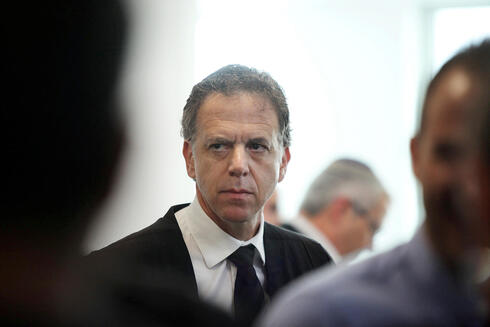
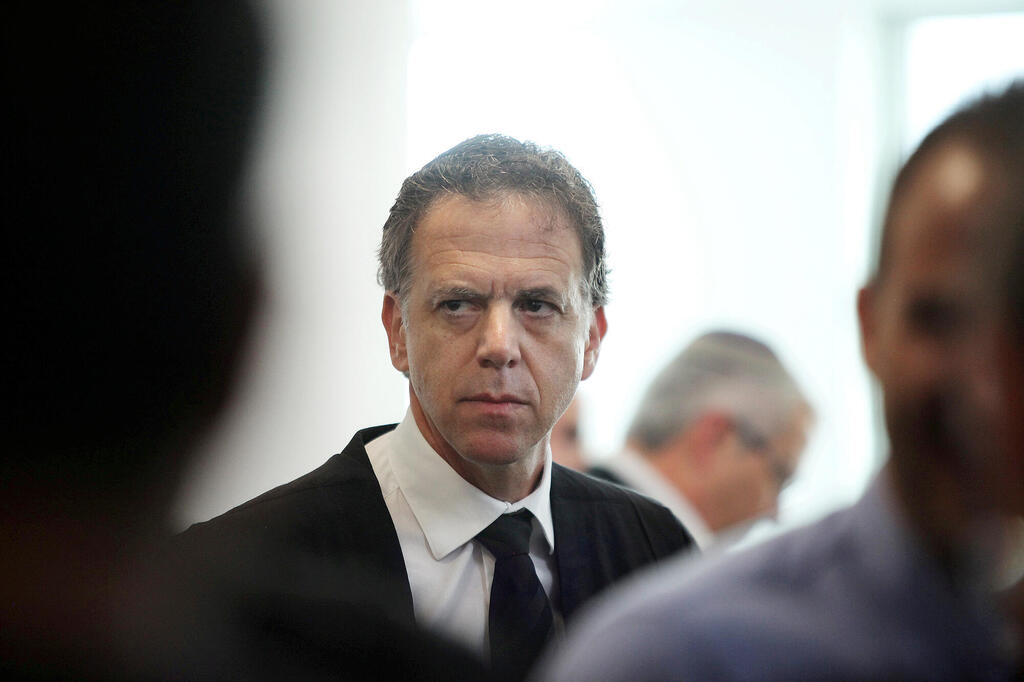
Adv. Ehud Gindes, the interim trustee for OpenWeb, has asked the Tel Aviv District Court to halt collection proceedings by Liquidity Capital, which has collected approximately $9.6 million from the company against a debt of roughly $20 million. In an initial report filed with the court on Tuesday as part of the stay-of-proceedings process, Gindes warned that continued collection efforts were depleting the company’s cash reserves and preventing it from paying employees and suppliers. He also said that investors, including Insight Partners and Georgian, had expressed willingness to consider injecting capital, provided that collection activity was halted.
According to the report, OpenWeb’s cash-flow crisis stemmed from changes in the advertising market and high structural costs. The situation worsened after Liquidity exercised control over the company’s bank accounts and began collecting on its debt. Gindes said the ongoing collections were preventing OpenWeb from meeting its payment obligations to publishers, which are among its key business partners.
OpenWeb, which operates in digital advertising and community management, employs approximately 150 people in Israel and abroad. Founded in 2012 as Spot.IM, the company has raised more than $390 million over the years and was valued at approximately $1.5 billion in 2022. It has since encountered mounting financial difficulties. At the end of August, its liabilities totaled approximately NIS 177.5 million, including about NIS 61.6 million in secured debt. Earlier this month, the court appointed Gindes as interim trustee after the company sought protection from creditors.
The crisis escalated after OpenWeb’s business relationship with Microsoft, one of its major clients, ended. Microsoft had delayed payments and demanded a refund, citing irregular user traffic, an allegation OpenWeb strongly denied.
Just days before turning to the court, OpenWeb had drafted a settlement agreement with Mars Growth Capital, part of the Liquidity Group. Under the proposed agreement, OpenWeb would make an immediate payment of $5 million, commit to cost-cutting measures and regain access to some of the funds frozen in its accounts. The agreement was never signed, and OpenWeb subsequently sought court protection.
Before the legal proceedings began, OpenWeb had also tried to advance a recovery plan that included agreements in principle for a capital injection of approximately $14 million from major shareholders and another investor. However, according to a filing the company submitted to the court in late September, the plan failed to materialize amid Liquidity’s demand for immediate repayment and its efforts to seize funds in OpenWeb’s accounts.
Gindes now says investors are again willing to consider injecting capital and providing new debt financing, but only if Liquidity’s collection efforts are halted immediately. He has asked the court to order that funds already collected be deposited into the trustee’s account, approve a plan to continue operating OpenWeb on a limited basis, and launch a competitive process to sell the company’s operations or bring in a new investor.
The outcome could determine whether OpenWeb can secure the breathing room needed to pursue a rescue or sale, while continuing to meet its obligations to employees, suppliers and publishers.



