










An Iranian strike cost Bazan $245 million. The war still boosted earnings
The refinery benefited from a sharp rise in refining margins as the conflict disrupted regional energy markets.
Bazan Group turned the disruption caused by the war with Iran into a powerful boost to its second-quarter results, as attacks on energy infrastructure, disruption to oil supplies and turmoil around the Strait of Hormuz helped drive refining margins sharply higher.
Bazan’s refining margin rose to $17.9 per barrel in the second quarter, from $10.5 a year earlier, helping the company swing to a $263 million net profit, compared with a $37 million loss in the same period last year. Adjusted EBITDA more than quadrupled to $317 million, from $75 million.
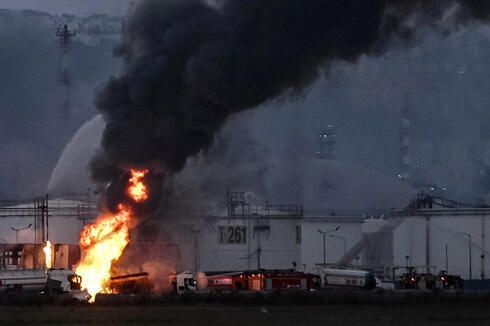
The results highlight the unusual economics of the war for Israel’s largest refinery. The conflict has directly damaged Bazan’s operations, the company estimates that an Iranian missile strike caused approximately $245 million in losses, while the broader disruption to regional energy markets has simultaneously created more favorable conditions for its refining business.
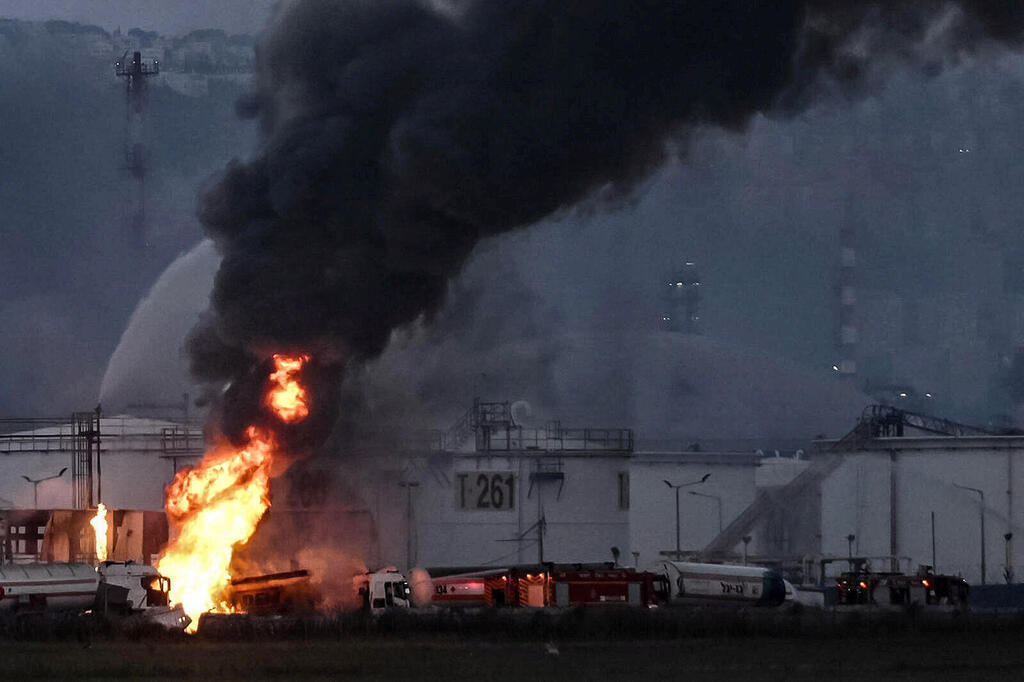
Bazan recognized $71 million in insurance income during the quarter related to lost profits following the Iranian strike.
The company’s stronger underlying performance was driven primarily by the sharp rise in refining margins. The war with Iran has disrupted oil supplies, raised concerns over shipping through the Strait of Hormuz and triggered repeated attacks on energy infrastructure in the Persian Gulf, adding further pressure to an already tight global fuel market.
“Global distillate inventories are currently at a historic low, while global demand remains high, particularly for diesel and jet fuel,” Bazan CEO Rafael Maman said in a statement accompanying the results.
The effects of the Iran war are unfolding alongside the continuing disruption caused by Russia’s war in Ukraine. Ukraine has repeatedly attacked Russian refineries in an effort to damage Moscow’s fuel production capacity, while Russia has responded by extending restrictions on diesel and gasoline exports, further reducing supplies of refined products, particularly in Europe.
Bazan Chairman Moshe Kaplinsky said the global environment created by these disruptions could continue to support the company’s business.
“The global context is expected to continue to support the strong business environment in which Bazan operates,” Kaplinsky said.
Following the results, Bazan’s board approved a $120 million dividend to shareholders.



