








Intel CEO reveals 141-person team assembled to reclaim CPU leadership from AMD
Lip-Bu Tan says the group of CPU architects was put together around two months ago. He wants to revive Intel's former development model and accelerate the company's efforts to catch up with its rival.
Intel CEO Lip-Bu Tan has assembled a 141-person team of CPU architects as part of an effort to restore the chipmaker's technological leadership and catch up with rival AMD, revealing a new organizational initiative at a time when the company is trying to rebuild its position in the increasingly important market for data-center processors.
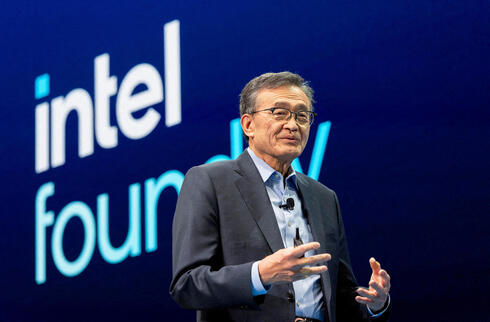
Tan said the team is only two months old when he discussed it in an interview with investor Gavin Baker at the TomorrowX Summit in Austin on November 18. "This team is only two months old, they already have 141 people and really good CPU architects," Tan said, describing it as part of his effort to accelerate Intel's product development and regain ground lost to AMD.
"On the CPU side, clearly we used to be the leader and unfortunately we lost it," Tan said. "Now I'm tripling down. This is my number one priority, to make sure that we have the best CPU coming up."
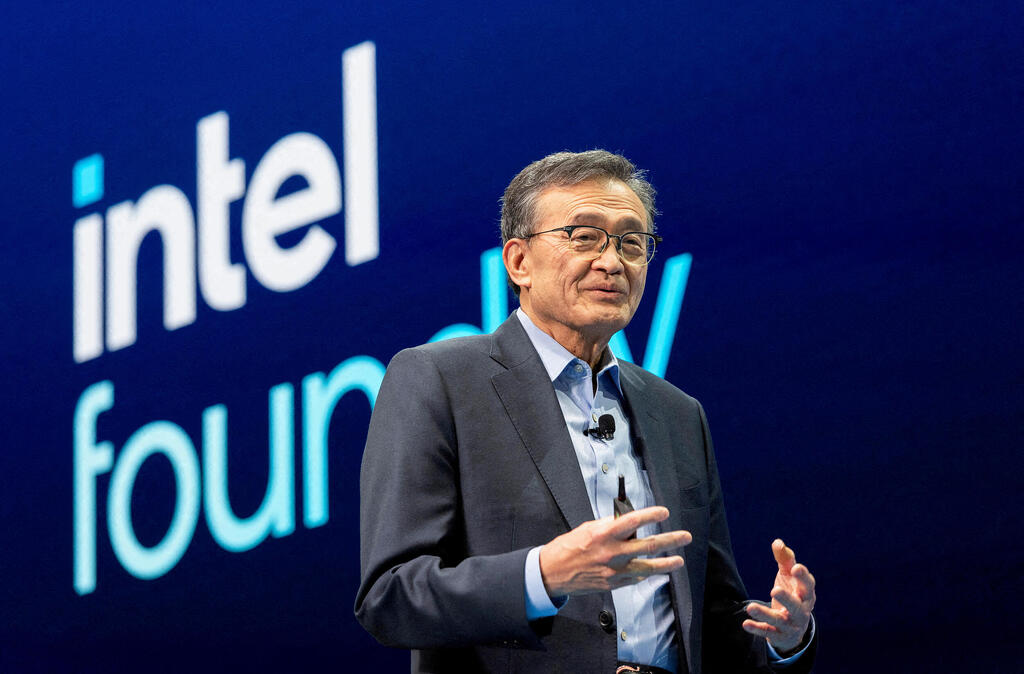
Tan's comments offer a glimpse into how he intends to address a problem that has become increasingly difficult for Intel to ignore. AMD, led by Lisa Su, has gained ground in the server processor market, while Intel has struggled with product delays, manufacturing problems and an inability to respond as quickly to changes in demand.
Tan was notably candid about the challenge posed by his counterpart. He described Su as an exceptionally strong operator and said she was 12 to 13 years ahead of him in her turnaround efforts. "I only have 18 months, so give me a little bit of time to catch up with it," he said.
The new team is part of a broader attempt to change the way Intel develops processors. Tan said he wants to revive the company's former "tick-tock" approach, adapting the cadence by alternating between separate internal and external architecture teams, after the company moved toward a more unified architecture model.
"And for some reason it became just unified architecture," he said. "So I want to go back to the tick-tock, internal team and external team, and then we can continue that way."
In the same interview, he predicted that the server CPU market could grow from around $40 billion today to more than $200 billion over the next five years, largely as a result of agentic AI.
But a larger market will not automatically translate into a stronger position for Intel. AMD is competing for the same demand, while cloud companies are also developing their own processors. Intel must demonstrate that its new engineering structure can produce competitive chips and that it can manufacture enough of them to satisfy customers.
Tan said the company has already begun working on its next-generation server products, including Diamond Rapids and Coral Rapids, while adding new architectural resources to accelerate future designs.



