










Wix to cut 1,000 jobs in largest layoff round in company history
The company will reduce roughly 20% of its workforce after a steep stock decline and rising AI-related costs.
After weak earnings reports and a nearly 50% collapse in its stock price since the beginning of the year, internet company Wix is embarking on the largest layoff round in its history. Wix is expected to cut around 1,000 jobs in the coming months, approximately 20% of its workforce, amid growing concerns over eroding profitability and the increasing redundancy of many roles in the AI era. At the end of the first quarter, the company employed 5,277 people, more than 60% of them in Israel. Wix declined to comment.
After the outbreak of the coronavirus pandemic, Wix grappled with a swollen workforce and laid off several hundred employees in multiple rounds of cuts. At the time, the reductions primarily affected service and customer support staff, following the company’s relatively early adoption of AI-based solutions.
The current move, however, is far broader and is expected to affect all departments across the company.
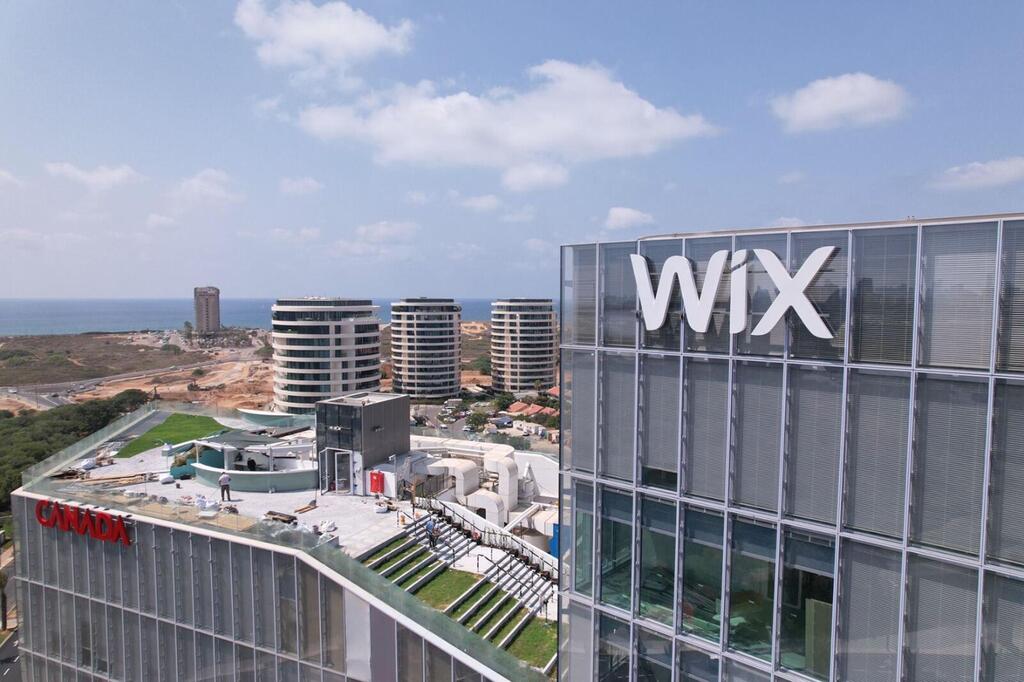
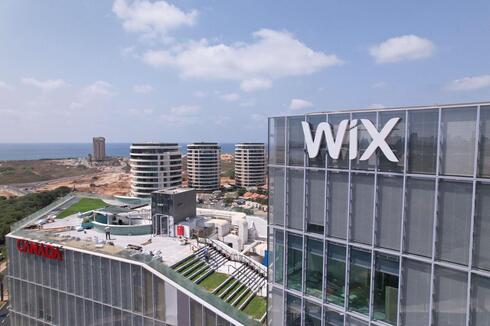
Wix moved into its large new campus at Glilot Junction only about three years ago. Even before the current cuts, the company had subleased parts of the campus to other firms, primarily Fiverr, which is expected to relocate there from its offices on Kaplan Street in Tel Aviv.
Over the past year, since the acquisition of Maor Shlomo’s Base44, which enables AI-driven “vibe coding” through natural-language prompts, much of Wix’s growth has come from that activity. The operation is lean in terms of manpower, but requires substantial investment in marketing and generates significant computing costs. A few months ago, Wix management demanded that employees return to full-time office work, a move that sparked widespread opposition inside the company and broader criticism across the Israeli tech industry. At the same time, workforce data showed that Wix reduced headcount by only 63 employees in the first quarter.
The company also announced changes to the nature of development roles in order to adapt them to the AI era. In retrospect, those moves now appear to have been the first steps toward a deep efficiency plan. Wix is currently valued at only about $2 billion, despite carrying out a $1.6 billion share buyback, a declarative move intended to restore investor confidence that, so far, has failed to achieve its goal.
Wix has suffered from the negative sentiment surrounding software sector stocks over the past six months, even though it does not operate under a classic software-as-a-service (SaaS) model. Investors fear that its solutions for building websites and online stores could become less relevant in the AI era, when websites can increasingly be created using AI-powered coding tools.
In response to those concerns, Wix moved quickly to acquire Base44, founded by Shlomo, which had independently developed a natural-language programming platform. Although the activity is growing rapidly and allows Wix to offer an integrated AI solution, the market remains unconvinced about the company’s long-term outlook. The company’s return to losses in the first quarter has only deepened investor concerns.
Wix posted a net loss of $57.5 million in the first quarter after several profitable quarters, despite revenue rising 14% to $541 million. Cash flow also declined 21% to $112 million. Wix attributed the return to losses to a sharp increase in marketing and sales expenses, as well as additional payments to Shlomo under the terms of the Base44 acquisition agreement.
In March, Wix launched the previously mentioned $1.6 billion share buyback program, a move that nearly emptied its cash reserves, reducing them to $900 million. At the same time, the company’s operating expenses jumped 50% in the first quarter to $423 million, representing 35% of revenue compared to 21% in the corresponding quarter of 2025.
This year, Wix aired two Super Bowl advertisements, one for its core products and another for Base44. In addition, soaring demand for Shlomo’s AI-powered vibe-coding platform, which already surpassed an annual revenue run rate of $100 million earlier than expected, has forced Wix to pay him additional compensation. During the last quarter alone, the company paid Shlomo another $38 million and estimates that additional payments will be required later this year. According to Wix, Base44’s annual recurring revenue (ARR) reached $150 million in May, significantly ahead of internal targets.
The rapid growth of the business presents a double-edged sword for Wix. On one hand, it positions the company as an aggressive player in the AI race and is likely responsible for most of its current growth. On the other hand, expanding usage significantly increases computing costs. At the same time, Wix is investing heavily in developing its own AI model. In a letter to investors, founder and CEO Avishai Abrahami explained that the model is intended to improve the accuracy of Harmony, the company’s AI-powered website-building system. While this currently represents another major expense, Wix believes it could eventually reduce inference costs in the future.



