










Refinery attacks exposed Israel’s LPG supply weaknesses
State Comptroller says winter disruptions could have triggered a significant nationwide gas shortage.
The attacks on Israel’s refineries during the second half of 2025, amid the Swords of Iron War and Operation Rising Lion, together with maintenance work and operational malfunctions, significantly reduced, and at times completely halted, LPG (liquefied petroleum gas) production at the country’s two active refineries. This is according to findings by the State Comptroller following an audit conducted between August and December 2025.
The maintenance work, malfunctions, and attacks occurred during the summer months, when demand for LPG was relatively low. According to the Comptroller, had the disruptions occurred during the winter, they could have caused a significant LPG shortage.
1 View gallery
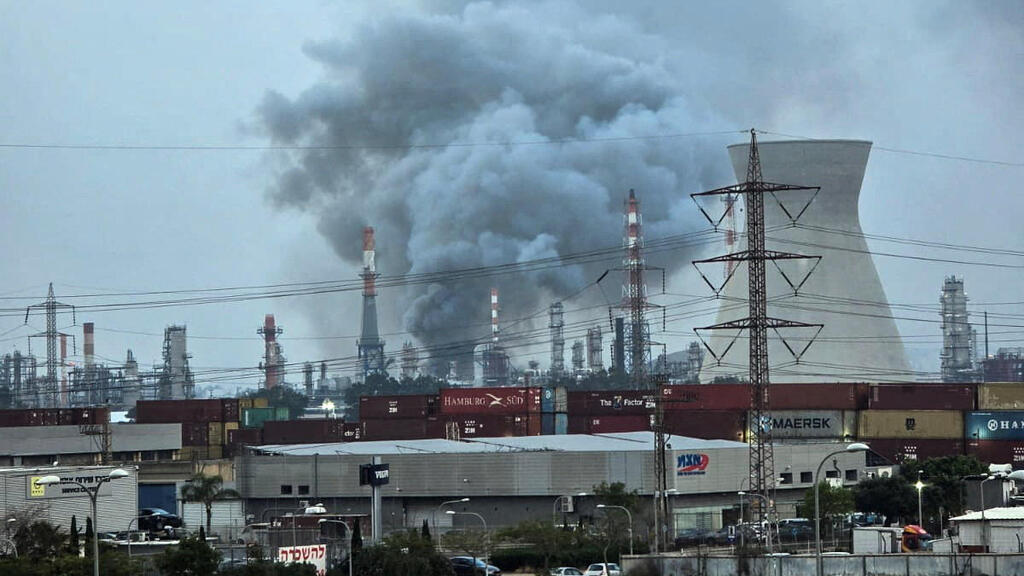
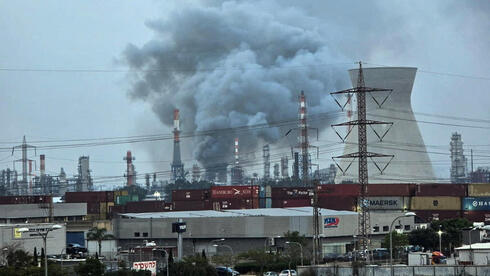
The attack on the Haifa refinery during March 2026.
(Photo: REUTERS/Sharon Sztrozenberg)
At the conclusion of the audit, both refineries, Bazan (the Haifa oil refineries) and the Ashdod refinery, were operating at only partial capacity and were unable to guarantee reliable supply. The Fuel Administration was not informed in writing about the Ashdod refinery’s expected production capacity for June and July 2025 or about planned maintenance work, and therefore was unable to prepare in advance.
According to the Paris Agreement, government resolutions, policy documents regarding the future of Israel’s fuel sector, and the recommendations of a government team tasked with reducing LPG use, Israel has committed to cutting greenhouse gas emissions by 17% by 2030, improving energy efficiency, and reducing reliance on LPG.
However, the State Comptroller found that the Ministry of Energy, the Ministry of Finance, and the Ministry of Transportation are not adequately prepared for a reduction in LPG consumption or for the eventual closure of LPG fueling stations. Shortcomings were identified in both import infrastructure and storage capacity.
The LPG market serving households remains highly concentrated and is dominated by four large suppliers. The audit found that the average prices charged by these suppliers between 2021 and 2024 were higher than those offered by smaller competitors. During the same period, the average price of LPG increased by up to 7% across all suppliers. The Comptroller also identified price gaps of approximately 31% between neighboring cities in the Tel Aviv metropolitan area.
The Comptroller recommended that the Ministry of Energy take the necessary steps to ensure the country is prepared for a gradual reduction in LPG use and the closure of LPG fueling stations in line with government policy. The Fuel Administration should also ensure that refineries comply with their obligation to provide monthly written forecasts of expected supply capacity.
In addition, the Comptroller called on the Competition Authority to examine regional concentration in the LPG market, including areas where a single major supplier dominates the market.



