










Carbyne founders pocketed $60 million in bonuses in Axon sale, lawsuit claims
Minority investor alleges conflict of interest and unfair terms in $625 million Axon acquisition.
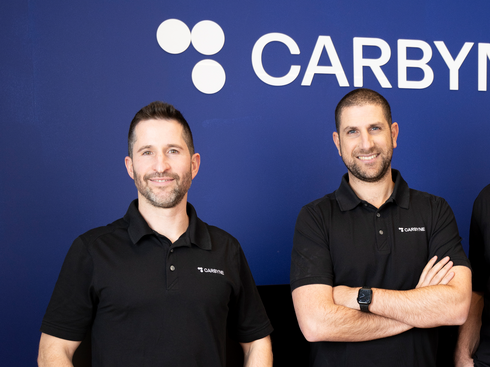
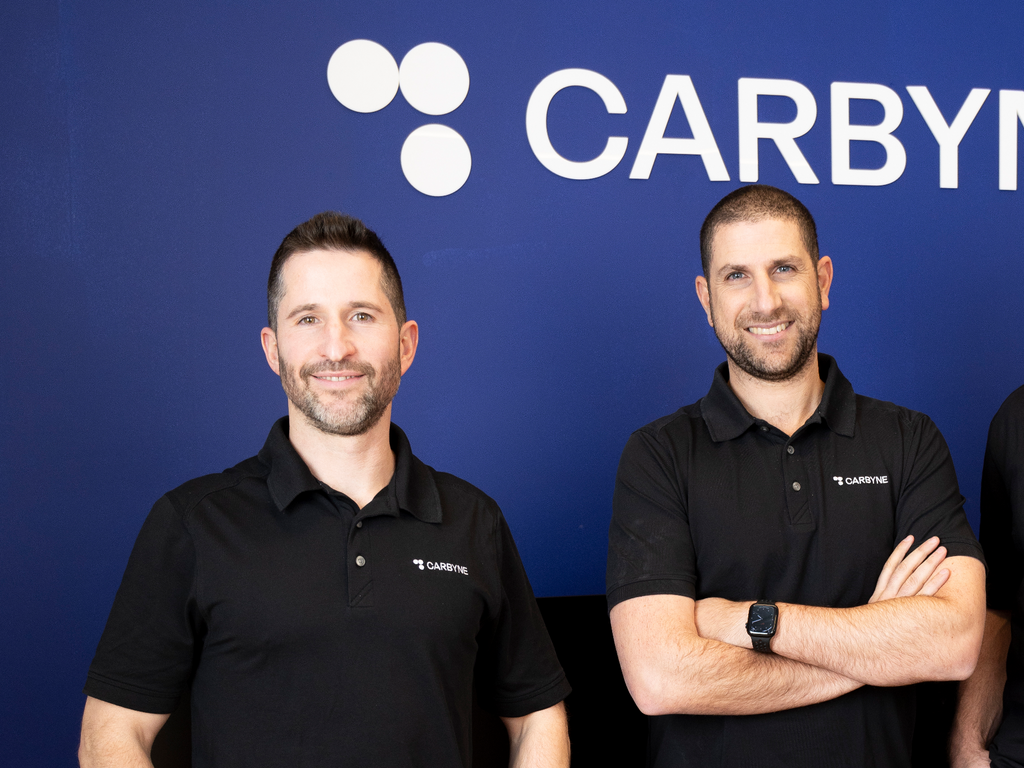
Amir Elichai and Alex Dizengoff, founders of the Israeli defense-tech company Carbyne, which was acquired for about $625 million in cash by U.S.-based Axon last November, jointly received personal bonuses of approximately $20 million from the buyer, as well as retention grants in the form of Axon shares totaling roughly $40 million.
These details were disclosed by the Canadian investment fund Intercap, which until recently held about 2.5% of Carbyne’s share capital, in a lawsuit filed Wednesday with the Economic Department of the Tel Aviv District Court. In the filing, Intercap alleges that the “extreme and significant benefits” granted to Carbyne’s founders created a “serious and clear conflict of interest,” which led to the approval of a transaction that disadvantaged minority shareholders.
Carbyne develops an emergency communications and response platform that, according to the company, is used by hundreds of agencies and security organizations worldwide. Axon, which is publicly traded, has a market value of about $33 billion.
As part of the deal, completed in February 2026, Intercap claims it was effectively forced to sell its 2.5% stake in Carbyne.
“Carbyne founders Elichai, who served as CEO at the time of the acquisition, and Dizengoff, who served as Chief Technology Officer, were the controlling figures, board members and driving force behind the company,” the lawsuit states. “The plaintiff learned that the founders and Axon exploited their position and power in the company, and, in a severe and blatant conflict of interest, promoted and executed an improper transaction driven by personal interests.”
According to the claim, the founders received approximately $20 million in cash bonuses, along with retention grants in Axon shares valued at more than $40 million, “at the expense of the company’s shareholders.”
Intercap further alleges that Axon was able to gain full control of Carbyne only months after initially acquiring a 10% stake, “through a simple procedural process and without requiring a valuation, independent committees, or similar safeguards.” At the same time, the founders allegedly secured “excess consideration” of roughly $60 million, close to one-tenth of the company’s sale value.
“There is nothing minor or negligible about the conflict of interest in the transaction and the negotiations that preceded it,” the lawsuit claims. “Despite this, none of the defendants acted to mitigate it, in breach of their fiduciary duties to the company and its shareholders, and to the detriment of Intercap.”
Carbyne has not yet responded to the allegations.
Intercap is asking the court, among other things, to award it financial compensation of no less than its proportional share of approximately $40 million, and in any case not less than $1.5 million. In addition, the Canadian fund is requesting that the court appoint an economic expert to assess the fair value of the consideration in the transaction.



