









“It started with a robbery”: Carbyne’s CEO on the $625M Axon exit
Amir Elichai recounts how personal frustration led to one of Israel’s biggest defense-tech successes.
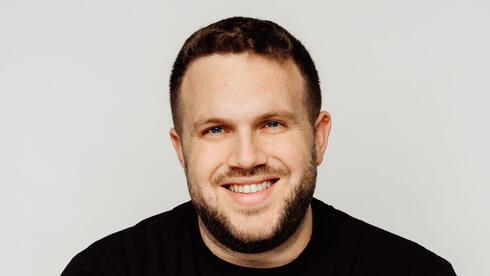
Amir Elichai, CEO and co-founder of Israeli defense tech company Carbyne, says he hasn’t slept since Tuesday night’s announcement that the company would be sold to U.S. security giant Axon for $625 million.
Carbyne developed a cloud-based emergency communications and response platform used by hundreds of security agencies and organizations worldwide. In a conversation with Calcalist, Elichai described how the company was founded, the process that led to the acquisition, and his vision for Carbyne’s future.

“I couldn’t sleep because I received thousands of messages,” Elichai said. “After everything that’s happened since the war, and with what’s going on in New York, it’s a reason to celebrate.”
How did your impressive exit come about?
“We started ten years ago, in 2015, after I was robbed on the beach and tried to call the Israel Police. It was a terrible experience, they didn’t know how to reach me, and it ended with me handing over money to the robbers. I was a law student at the time, and I thought, ‘How can it be that in the 21st century I’m calling the police and they don’t know anything about me?’
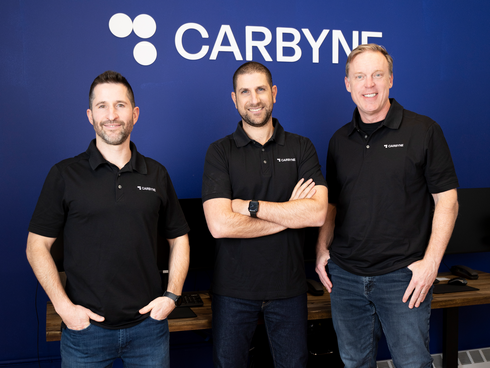
“I wanted to make a difference. Together with my partners, we founded Carbyne and raised more than $200 million from top-tier investors and companies such as AT&T. We built a full ecosystem that allows citizens to share video in real time, provide precise location data, and communicate seamlessly across languages. We’re the only cloud-native emergency response platform serving over 300 government and public organizations, reaching more than 250 million people worldwide. Our customers span the U.S., Israel, and countries across Latin America.”
How did the deal with Axon come together?
“Axon is the second-largest company in our field after Motorola. They developed the Taser and police body cameras, and they wanted to expand into emergency communications, what Americans call ‘911.’ They led our most recent funding round a few months ago, got to know us closely, and then decided to make a strategic move to acquire the company. It all happened faster than we expected, but I realized it was the right step for us.”
What will happen to Carbyne now?
“We’re all staying on. This is an opportunity to make the world better. Axon plans to expand our operations in Israel, our R&D center will grow, and we’ll continue leading the global 911 field. They were very impressed with the talent here, and they see Israel as a core hub for their innovation. We’re committed to staying long-term.”
How does artificial intelligence fit into Carbyne’s mission?
“We’re leading the integration of AI into emergency communications. One breakthrough we achieved is instant translation across 40 languages, so each caller can speak in their native tongue.
“We’ve also developed AI agents that help handle emergency call queues. There’s a global shortage of human call operators, so our AI can prioritize calls, distinguishing between, say, a car accident and a terrorist attack. It can identify multiple simultaneous callers and streamline responses during crises.
“Looking ahead, AI will become more predictive and context-aware, but fully replacing human responders won’t happen soon. There’s still a major psychological barrier, in moments of distress, people want to hear another human voice.”
How will joining Axon accelerate your growth?
“Axon is a massive company with thousands of clients worldwide. Partnering with them gives us a huge boost to realize our vision. The feedback we’re already getting from customers shows this acquisition will dramatically accelerate our progress.”



