








Intel’s optimistic Israel plans clash with brutal job cuts
A pillar of Israel’s tech economy, Intel’s flagship sites face deep layoffs and uncertain future despite earlier promises of expansion and local impact.
When the RISE national impact report on Intel was published in May 2024, the document read like a love letter to Israel’s high-tech ecosystem, and to Intel’s own role as one of its longest-standing anchors. The report detailed how the American chip giant's local sales in the last decade totaled over $55B, with 2023 sales equivalent to 1.1% of Israel's GDP and approximately 6% of the high-tech sector.
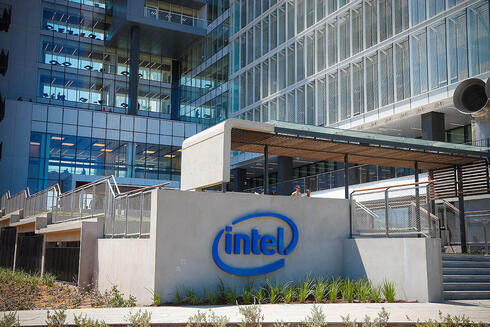
At the time, the message was clear: Intel’s presence in Israel, from its giant Kiryat Gat fabs to its R&D centers in Petah Tikva and Haifa, were nothing short of vital. The report highlighted record investments, including the $25 billion expansion plan for Fab38, which Israel’s government lauded as the country’s largest-ever foreign investment deal.
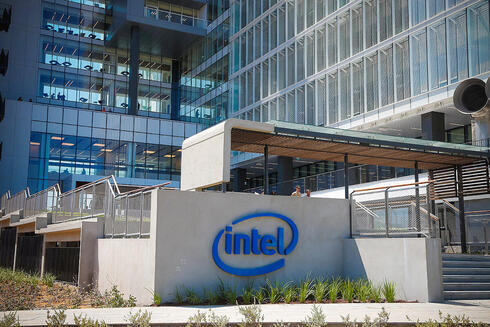
Yet, a little over a year later, that sense of industrial optimism sits uneasily alongside a wave of job cuts that has reshaped the picture entirely. Intel’s once-unshakable status as Israel’s largest private employer is facing its deepest contraction in over a decade. The company’s local headcount, which peaked at 12,000 in 2021, has fallen sharply and is on track to slip below 9,000 this year, its lowest in more than a decade.
The cuts have reached Fab28 in Kiryat Gat for the first time, as Intel shifts more operations to remote monitoring and automation. About 400 employees there already opted for early retirement last year; now, up to 200 more are being let go. The global context is equally stark: Intel disclosed over 5,000 layoffs in the U.S. over recent weeks, with deep cuts at its flagship sites in Oregon, Arizona, and California.
The contrast with the upbeat promises of the RISE report and Intel's internal documents is striking. Intel positioned itself as a pillar of economic stability and community resilience. It pointed to programs for underrepresented populations, local education partnerships, and billions in capital expenditure as proof of its embeddedness in Israeli society.
But the reality of the chip market, volatile demand, stiff competition, and Intel’s own struggles to regain technological leadership from Asian rivals, has forced a painful retrenchment. The once-hyped Fab38 expansion now faces questions too: while construction continues, the company’s new strategy under CEO Lip-Bu Tan includes aggressive cost discipline, automation, and a push to flatten its management layers.
Intel’s footprint still generates meaningful GDP impact and thousands of contractor jobs, but its employment base is no longer guaranteed to grow in lockstep with flashy new buildings and headline-grabbing investments.



