











Arrow developer IAI unveils new autonomous border defense system
The platform integrates drones, sensors and robotics after lessons from October 7.
Israel Aerospace Industries (IAI) is unveiling a new technological system designed to protect Israel’s borders, combining advanced sensing systems, reconnaissance and attack drones, and autonomous robotic tools. According to the company, the system has successfully withstood a series of tests simulating complex border attack scenarios.
The system’s capabilities were recently demonstrated to IDF commanders and senior defense officials, as part of efforts to consolidate Israel’s border defense architecture in light of lessons learned from the Hamas attack on October 7. IAI said the system was developed in close coordination with the Israeli defense establishment and is intended for both routine operations and emergency scenarios, offering lethal and effective responses to a broad range of threats.
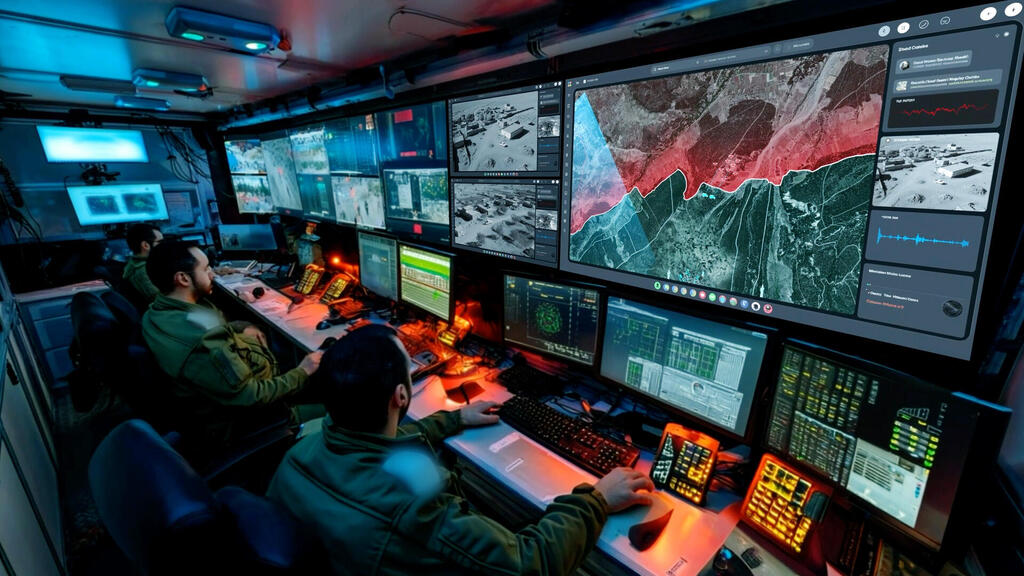
The system integrates new combat concepts based on multiple autonomous platforms operating in synchronized missions under a central command-and-control system, managed by a small team of operators. In addition to sensors deployed across the airspace it is designed to protect, the system includes drones for reconnaissance and intelligence-gathering missions capable of tracking suspicious targets in all weather conditions. These drones are equipped with a dedicated synthetic aperture radar (SAR), miniaturized for drone deployment, which provides a real-time situational picture even in fog and poor visibility.
Alongside these capabilities, the system can deploy armed APUS-60 drones, capable of delivering precise fire strikes against identified targets. IAI also plans to integrate the Sky Warden Blue light aircraft into the system. The aircraft is being developed jointly with the American defense company L3Harris for border protection missions. The project was launched following the October 7 attack, which underscored the need for light aircraft capable of responding rapidly to emerging border threats.
IAI said that the system has proven its ability to significantly shorten response times, from threat detection to neutralization, by tightly integrating intelligence collection, processing, and strike capabilities. This connectivity spans IAI’s full technological spectrum, from space-based assets to autonomous ground vehicles.
IAI CEO Boaz Levy said the new system directly addresses the challenges of defending Israel’s borders, which are characterized by complex terrain and exposure to threats from air, land, and sea. He noted that Israel’s lack of strategic depth heightens the need to intercept threats as quickly as possible and at the greatest possible distance from the country’s territory.
The October 7 attack, in which thousands of Hamas terrorists crossed into Israel to carry out massacres in Gaza-border communities and southern cities, exposed vulnerabilities in advanced technological systems deployed along the so-called “hourglass” barrier surrounding the Gaza Strip. Hamas operatives were able to attack remotely controlled firing positions using armed drones, highlighting critical weaknesses in existing defenses.
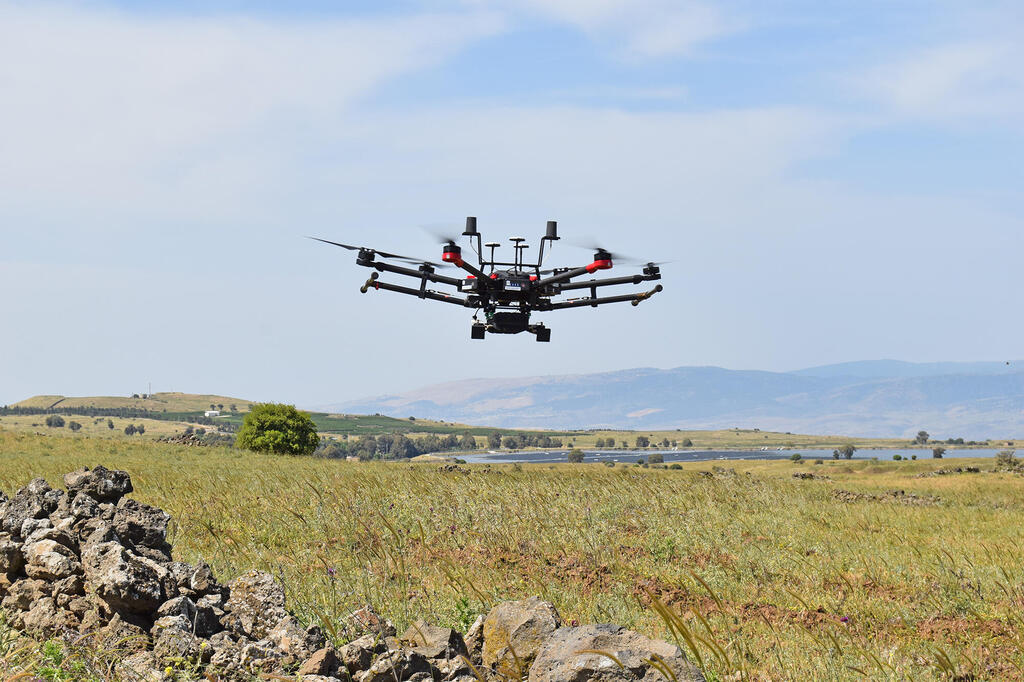
According to Levy, the new system is based on insights drawn from the failures of October 7 and from subsequent operational challenges faced by the IDF along Israel’s borders. “The solution we presented to the defense establishment is autonomous, innovative, highly survivable, and capable of providing an effective response to all threats across all border regions, while protecting the lives of forces in the field,” he said. “It is the first system of its kind to be successfully demonstrated in Israel.”
In recent months, Israel’s defense establishment has intensified efforts to reinforce the country’s eastern border with Jordan, which stretches approximately 420 kilometers. This includes the construction of a new barrier with a total planned investment of around 5.5 billion shekels. The project will be implemented in stages, with the first phase covering roughly 80 kilometers in the Jordan Valley.
Security sources told Calcalist that IAI’s new system is primarily intended to meet Israel’s own border defense needs, though it could eventually be offered to other countries seeking to strengthen protection along their borders.



