










Israeli scientists send bacteria to space on NASA and SpaceX mission in bid to map disease evolution
An experiment led by ARC, the innovation arm of Sheba Medical Center, and the hospital’s Infectious Diseases Research Laboratory, will examine how microgravity alters bacterial behavior.
In a collaboration that merges the frontiers of space exploration and infectious disease research, Israeli scientists are sending a microbiology experiment to the International Space Station (ISS) on Thursday to study how extreme space conditions affect the behavior of bacteria known to cause disease in humans.
The mission, led by ARC, the innovation arm of Sheba Medical Center, and the hospital’s Infectious Diseases Research Laboratory, is scheduled for launch on Thursday from NASA’s Kennedy Space Center in Florida. Carried aboard SpaceX’s Crew-11 mission, the ARC Space Lab experiment will investigate how microgravity influences bacterial gene expression, particularly genes related to virulence and antibiotic resistance.
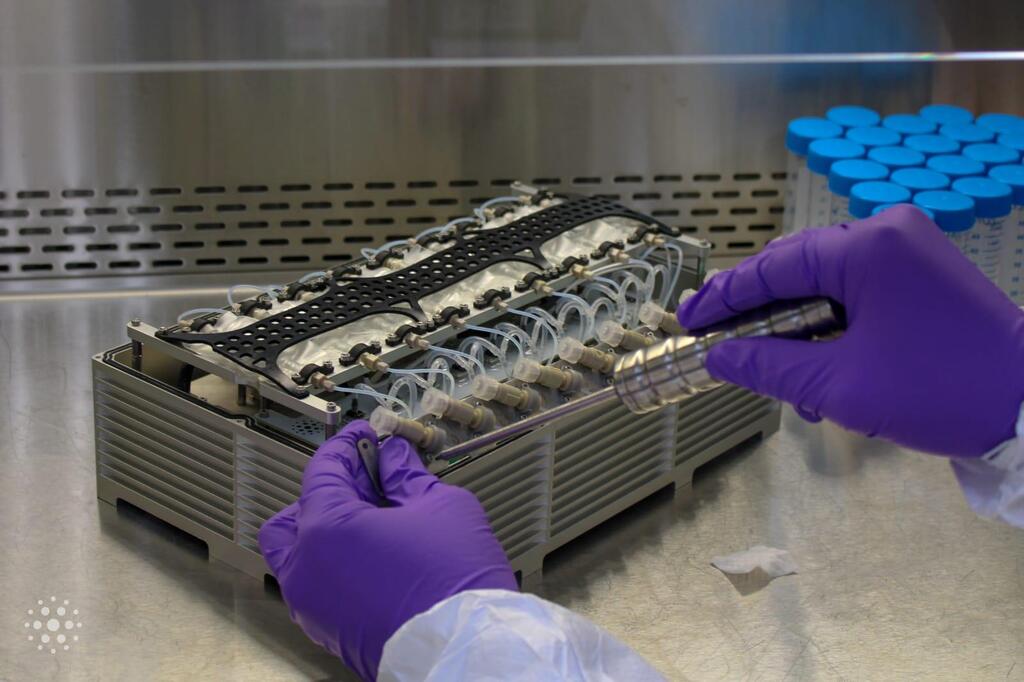
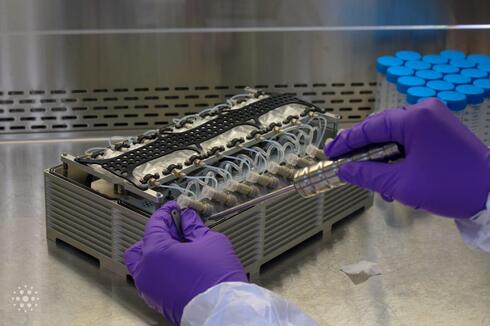
The project marks ARC’s second space-based experiment and its first to reach the ISS. It is being conducted in partnership with U.S.-based space research firm Space Tango, using a custom-controlled environment that will allow scientists to grow bacterial cultures aboard the space station while comparing them in real time to identical specimens grown on Earth.
Prof. Ohad Gal-Mor, who heads Sheba’s Infectious Diseases Research Laboratory, said the study will enable researchers “to systematically and molecularly map how the genetic expression profile of several pathogenic bacteria changes in space.”
“We know that space conditions affect bacterial behavior,” Gal-Mor added. “This experiment will expand our understanding of how microbes respond to stress, evolve, and potentially become more dangerous, or less, when exposed to microgravity.”



