










Israel police’s drone fleet runs largely on Chinese technology
New tender reveals heavy reliance on DJI as aerial enforcement expands.
The Israel Police is expanding its use of drones as part of a broader push to strengthen enforcement capabilities, while continuing to rely heavily on equipment from Chinese manufacturers.
A new joint public tender issued by the police, the Israel Prison Service, and the National Fire and Rescue Authority provides a detailed look into the scale and composition of their aerial fleets.
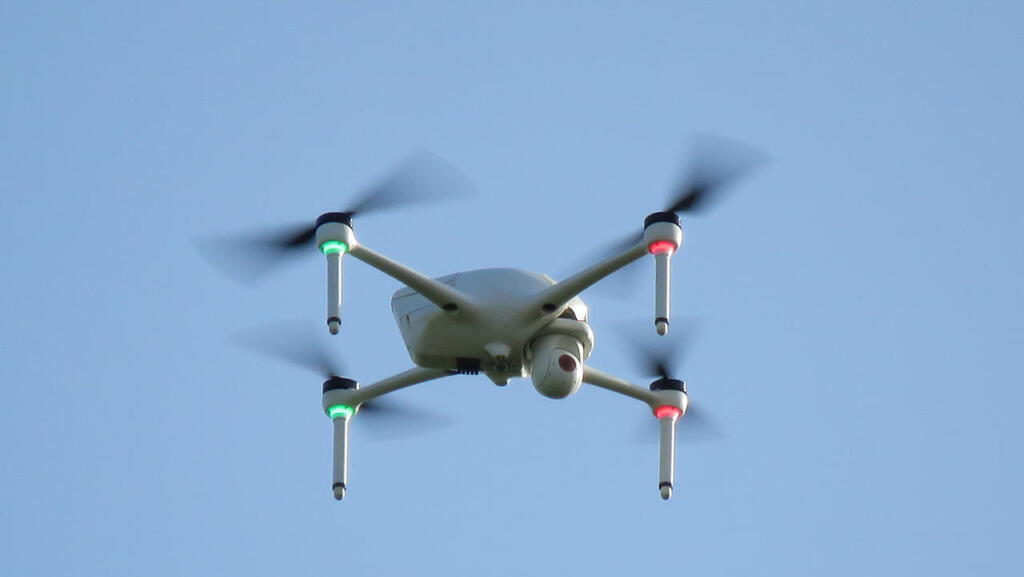
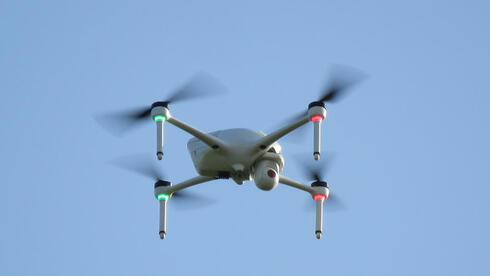
According to the documents, the Israel Police currently operates no fewer than 11 drone models produced by China’s DJI, alongside two models from U.S.-based Autel Robotics and three from Israeli company Aero Sol.
This heavy reliance on DJI stands out given the growing global scrutiny of Chinese technology in sensitive security and law enforcement applications.
Other agencies show a similar pattern. The Fire and Rescue Authority relies exclusively on DJI drones across eight models, while the Israel Prison Service operates five DJI models, alongside one from Skydio and one from Israeli firm XTEND.
The tender also sheds light on the growing scale of investment in aerial capabilities. The Israel Police spent NIS 10.05 million (approximately $3.33M) on drones and unmanned aerial vehicles last year, more than double its spending in 2024, which stood at NIS 4 million ($1.32M). In 2023, spending totaled NIS 9.65 million ($3.2M).
By comparison, the Fire and Rescue Authority spent NIS 300,000 last year ($99,000), up from NIS 230,000 ($76,000) in 2024 and NIS 43,000 ($14,000) in 2023. The Prison Service spent NIS 2.1 million ($695,000) last year, after no purchases in 2024 and NIS 640,000 ($212,000) in 2023.
The specifications for the new procurement indicate that drones are expected to play an increasingly operational role. Among other requirements, some models must include blue flashing lights and be capable of being mounted on vehicles for rapid deployment.
Alongside the expansion of drone capabilities, the Israel Police is also revising a previously reported tender for off-road patrol vehicles.
One of the most significant changes allows participation by vehicle models that are not currently marketed in Israel.
As previously reported by Calcalist, the original tender requirements effectively excluded many importers and models. Vehicles intended for traffic patrol use were required to produce more than 300 horsepower and run on gasoline or diesel, criteria that disqualify most electric vehicles, including high-performance models.
Under the updated terms, the police state that if the selected model is not currently imported into Israel, delivery timelines may be extended to up to 240 days. This indicates openness to procuring vehicles not available to the general public, unlike current patrol cars such as the Skoda Octavia or KGM Rexton.
The police have also added a requirement that fuel consumption be measured not only under European standards but also according to U.S. Environmental Protection Agency (EPA) benchmarks. This suggests a possible shift toward vehicles designed for the American market, including models from manufacturers such as General Motors or Toyota.



