











Currency pressure turns Israel’s high-tech sector into “a ticking time bomb,” lawyers say
Law firms say a 20% drop in the dollar is eroding revenues and forcing pricing changes across the legal sector.
Despite the recent rise in the dollar exchange rate, its sharp decline over the past year continues to trouble not only exporters and high-tech companies, but also one of the professional sectors most closely tied to global markets: large law firms.
This is especially true for firms working extensively with technology companies, investment funds, foreign clients, and cross-border mergers and acquisitions and international litigation. Pricing in these areas is predominantly in dollars, while costs are largely in shekels, meaning firms are directly exposed to the roughly 20% decline in the dollar over the past year. The result is a clear erosion of revenues and increasing pressure to adjust pricing models and expand financial hedging.

“Due to the large volume of international clients paying in dollars, we are exporters in every sense of the word, and we feel the erosion of the dollar very strongly,” several participants said in a panel moderated by this writer at the Bar Association conference last week. “This is a major topic of discussion in the industry, especially in firms active in high-tech.”
Indeed, conversations with managing partners at leading firms reveal a mix of responses: coping with currency-related pressure, identifying new opportunities in outbound transactions, increasing fees for foreign clients, and even considering a gradual shift toward shekel-based billing.
Attorney Raanan Lerner, senior partner at Meitar, says the impact begins in the high-tech sector itself. “If the dollar exchange rate remains at these levels, the damage is greater than people realize. The high-tech industry is a ticking time bomb. Most startups raise funds in dollars while their expenses are in shekels. At current exchange rates, they effectively lose two to three months of operating capacity. The problem is that no one knows where the floor is, and there is a lack of attention from policymakers.”
He adds that the impact extends to service providers. “The entire ecosystem around high-tech, law firms, accountants, and others, charges in dollars but operates in shekels, so the impact is clear. It shows up in the bottom line. The real problem is uncertainty with clients, which translates into uncertainty for firms as well.”
According to Lerner, firms are attempting to respond. “We are not laying off or downsizing, but like any business, we hedge. Still, hedging has limits. It cannot offset a 20% drop in dollar revenues.”"
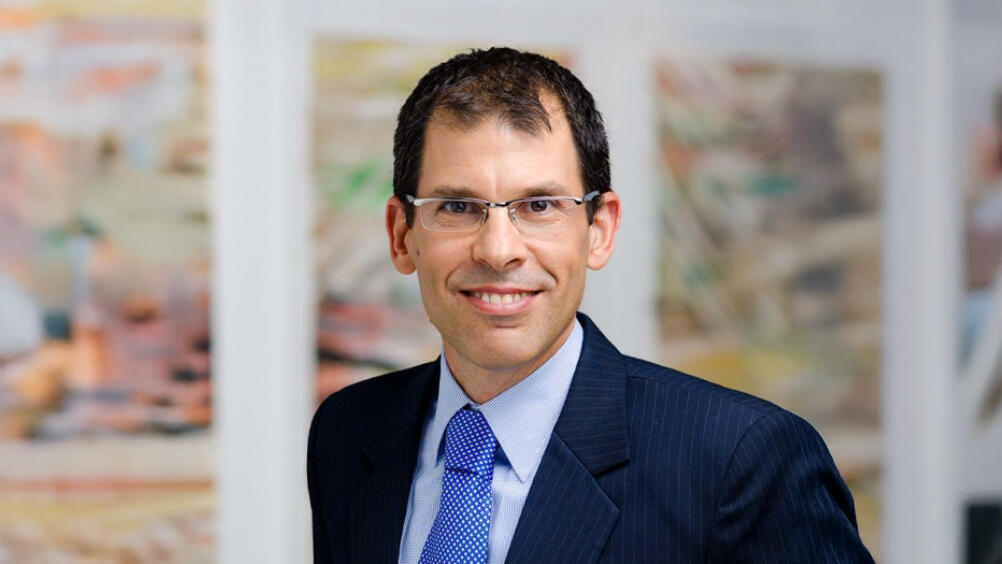
Attorney Gilad Winkler, managing partner at Fischer (FBC), says the firm anticipated the shift. “When preparing the 2026 budget, we already accounted for a weaker dollar and adjusted pricing accordingly. We operate through financial hedging, continuous monitoring of exchange rates, and periodic updates to maintain profitability.”
Winkler adds that transparency helps firms adjust fees with clients. “When you act fairly and transparently over time, clients understand adjustments and cooperate.”
He also notes that Israeli firms still maintain competitive pricing internationally. “In the US, hourly rates can reach $2,000, significantly higher than in Israel. That gives us room to adjust rates for foreign clients despite the weaker dollar.”
Attorneys Eran Bezalel and Amit Steinman, managing partners at S. Horowitz, say there is room to increase fees, but within limits. “You can raise rates and still be considered inexpensive compared to the US. But you cannot simply tell an American client you are increasing rates to $1,000 an hour. They understand the Israeli market.”
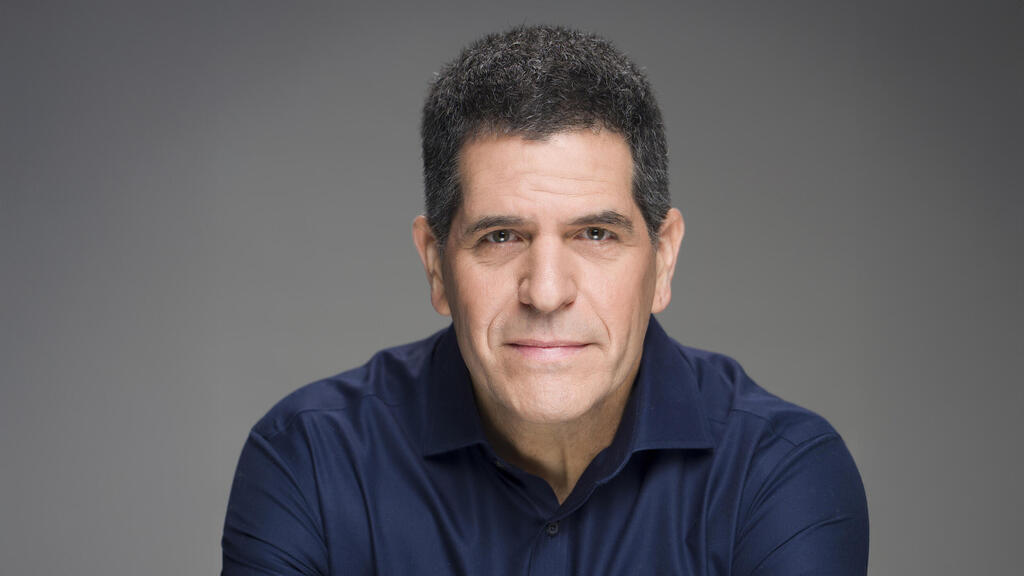
They argue that the solution lies in ongoing dialogue. “Periodic fee adjustments are normal, and such a sharp currency shift justifies discussion. International clients understand volatility and are often willing to share part of the burden.”
According to them, the market may gradually shift away from dollar pricing. “Just as housing moved from dollar pricing to shekels, the legal market may eventually follow. But foreign clients are still less comfortable operating in shekels.”
They add that currency exposure should be managed at the firm level. “This is a management issue: cash flow timing, hedging, supplier payments, and investment strategy. Firms must be proactive and aware of macro trends.”

Attorney Gil White, managing partner at Herzog, Fox & Neeman, cautions against viewing currency effects in isolation. “The weakening dollar is partially offset by increased deal activity among Israeli companies and international M&A. 2024-2025 saw peak transaction volumes, and we do not expect a slowdown in 2026.”
He emphasizes diversification within firms. “Exposure varies depending on practice mix. Firms with heavy high-tech exposure feel currency effects more strongly. Our balance across practice areas helps offset that risk.”
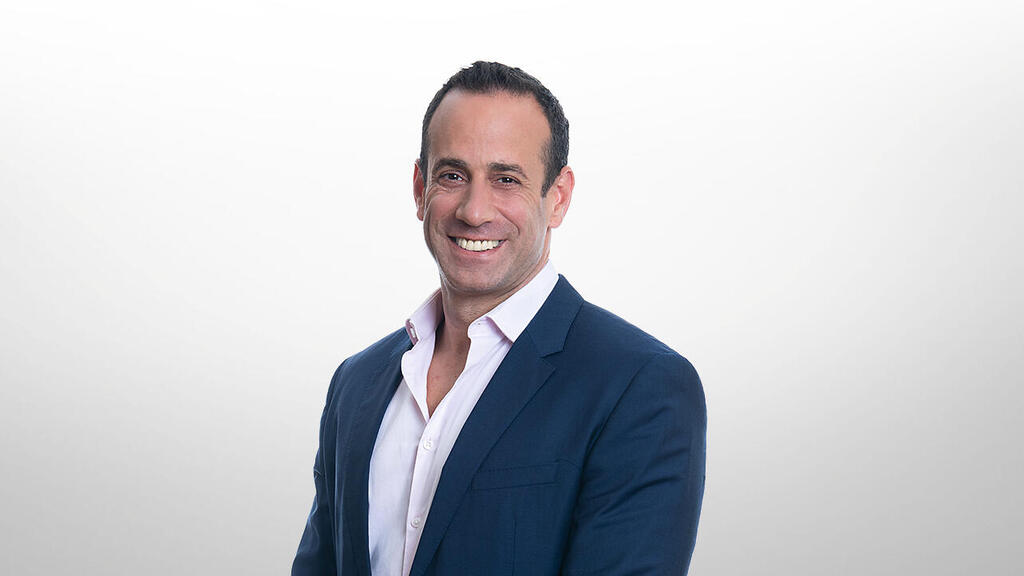
White adds that the firm already bills Israeli clients in shekels and foreign clients in foreign currency, though he expects gradual change over time. “At some point, firms may move toward shekel-based billing for foreign clients as well. It is not common yet, but the idea is discussed in the industry.”
He stresses that currency volatility will not be passed on to employees. “We have no intention of reducing compensation. Whether the dollar strengthens or weakens, we absorb the volatility internally.”
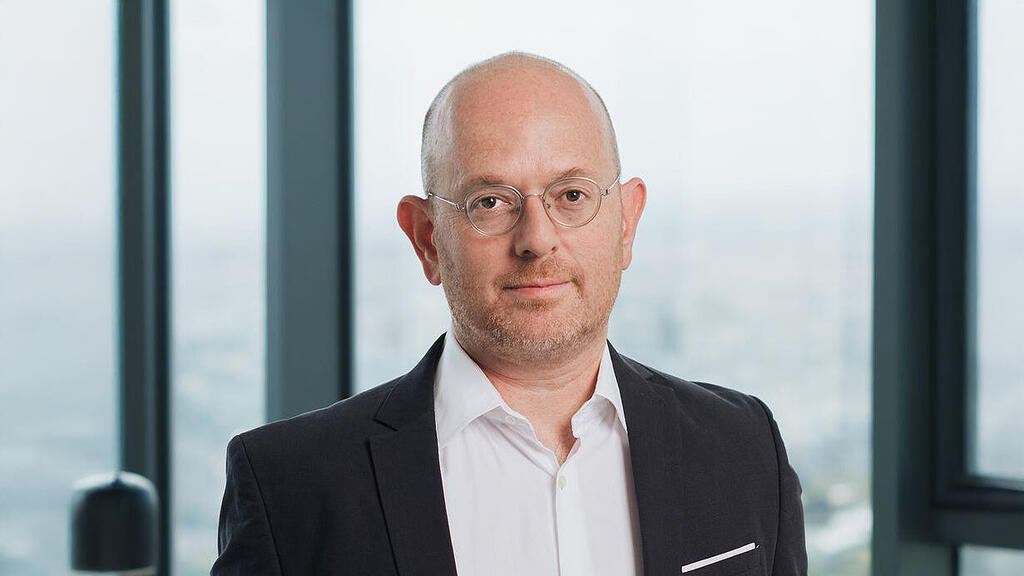
Similarly, attorney Nimrod Rosenblum, founding partner at ERM, says firms are adapting by diversifying clients and sectors. “The M&A market is very active, particularly in cyber, energy, data centers, and AI. We are seeing strong inbound and outbound deal flow.”
He adds that currency strength also creates opportunities. “A strong shekel encourages Israeli companies to invest abroad. That generates additional work for us, offsetting some of the pressure from exchange rates.”



