










The people saying goodbye to high-tech
“Bye Tech” brings together Israeli engineers and executives who left lucrative careers behind to build classrooms, farms and communities.
A year and a half ago, Itamar Weizman woke up one morning during a trip with friends in Thailand and realized he was about to change his life. After five years as a partner at investment fund Firstime Ventures, he decided to give up a senior position and a high salary and move full-time to manage Radical, a nonprofit organization he founded in 2021 that seeks to foster a new generation of civic leadership.
“I came to the conclusion that if I want to fulfill my vision, I can’t both make money in high-tech and change the world,” Weizman says. “So I decided to devote myself entirely to political change. In retrospect, it was one of the worst economic decisions I have ever made, and one of the best decisions I have made mentally.”
This is how “Bye Tech” was born, an evening initiated by Weizman where “people who left high salaries, stock options and bonuses to do something meaningful and beneficial to the public share their stories.”
4 View gallery
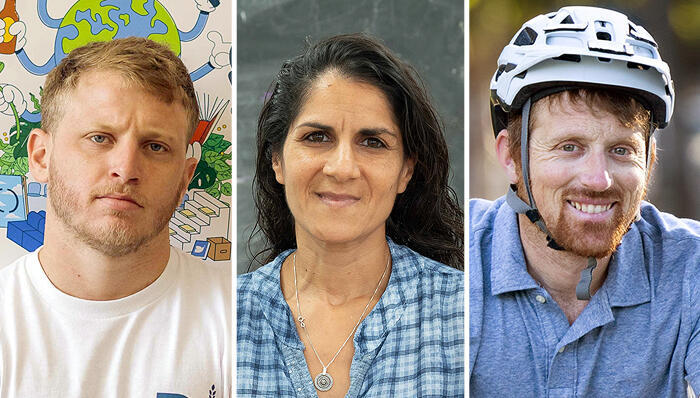
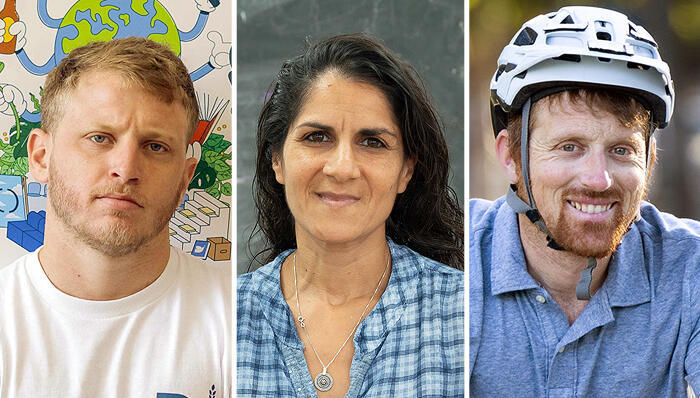
From left: Itamar Weizman, Moran Shabtay, Oren Lotan
(Yuval Chen, Tal Shahar, Alex Kolomoisky)
The first event will be held at Radical on Thursday (August 6), hosted by journalist Tzlil Avraham (from the economic podcast “Hayot Kis” on Kan 11). The stage will feature high-tech veterans who moved on to careers in fields including education, farming and social work, discussing the decision to change their lives.
The demand surprised even the organizers. “This is the fastest-selling event Radical has ever had,” Weizman says. “We received hundreds of inquiries from people who want to share their stories. We are already opening another evening soon.”
The waves of layoffs sweeping Israeli high-tech in 2026, which the industry attributes to a combination of increased adoption of artificial intelligence tools and the strengthening of the shekel against the dollar, making Israeli employees more expensive for global companies, are a continuation of a broader downsizing trend.
According to the Employment Service, after reaching a peak of 441,000 employees in 2023, the number of high-tech workers fell to 424,000 in 2024, a loss of approximately 17,000 jobs in one year, before partially recovering to 435,000 in 2025.
According to BDO Chief Economist Chen Herzog, more than 10,000 high-tech workers have already been laid off since the beginning of 2026. At the same time, even those who remain in the industry report growing uncertainty. According to a survey by CofaceBDi, 38% of high-tech employees are exploring employment opportunities outside their current company, compared with 33% a year earlier, while 20.5% are considering retraining, an increase of 10%.
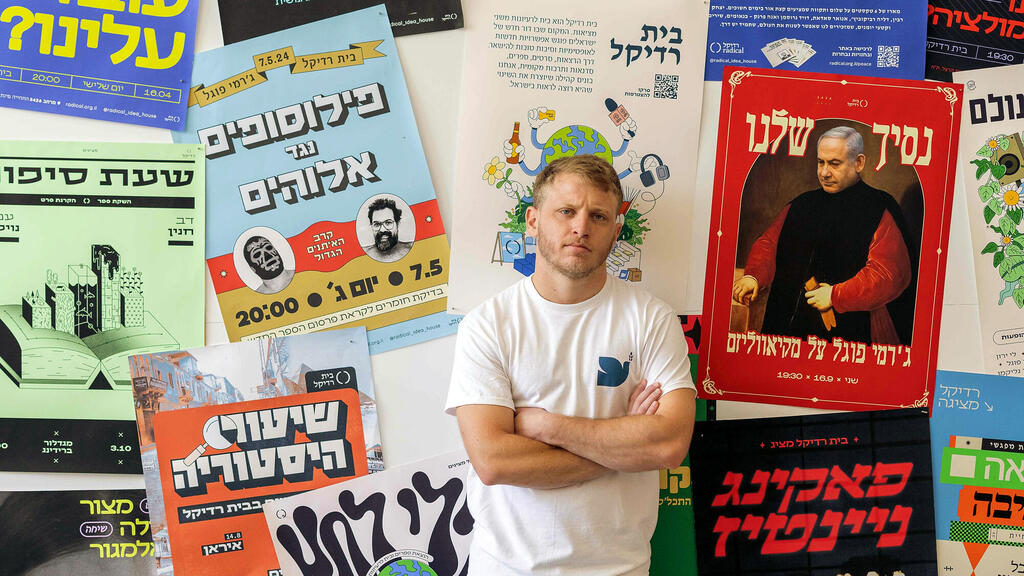
Weizman (34) stresses that his decision was not driven by the downturn in the market or by a lack of financial support.
“I didn’t inherit wealth,” he says. “I grew up in a single-parent family, and I know what financial hardship means. I understand people’s need to earn a good living, and I know how difficult it is to build a life in the Dan region and raise children here.
“But I believe the key to a happy life, even before flights abroad and owning an apartment, is having work that gives you meaning and a sense of responsibility toward the people around you. This country was built by people who dedicated their lives to the public.”
He says he saved money during his years in high-tech, but acknowledges that his circumstances gave him flexibility. “I’m single and don’t have children, so I have a privilege. I don’t know whether I would have Among the participants in the evening are Or Hizkiyahu, who worked with startups in accelerators before founding “Nature of Connection,” a farm dedicated to animal rehabilitation and rescue; Oren Lotan, who moved from the semiconductor industry to urban planning in Jerusalem; and Moran Shabtay, an industrial and management engineer who became a mathematics teacher.
Lotan (41), who currently works as a bicycle project manager for Jerusalem Transportation, says: “I didn’t leave because I was disgusted with high-tech. I enjoyed the people, the professional challenge, and the conditions were excellent. Still, there is much more meaning in working in the public sector. You feel that you are actually influencing the reality you live in.
“The public sector, despite all its challenges and frustrations, is the best place to create positive change in areas you believe in. It is extremely challenging. I work much harder than I did before and experience much less immediate satisfaction. There are many things that do not work, fail, or get stuck.
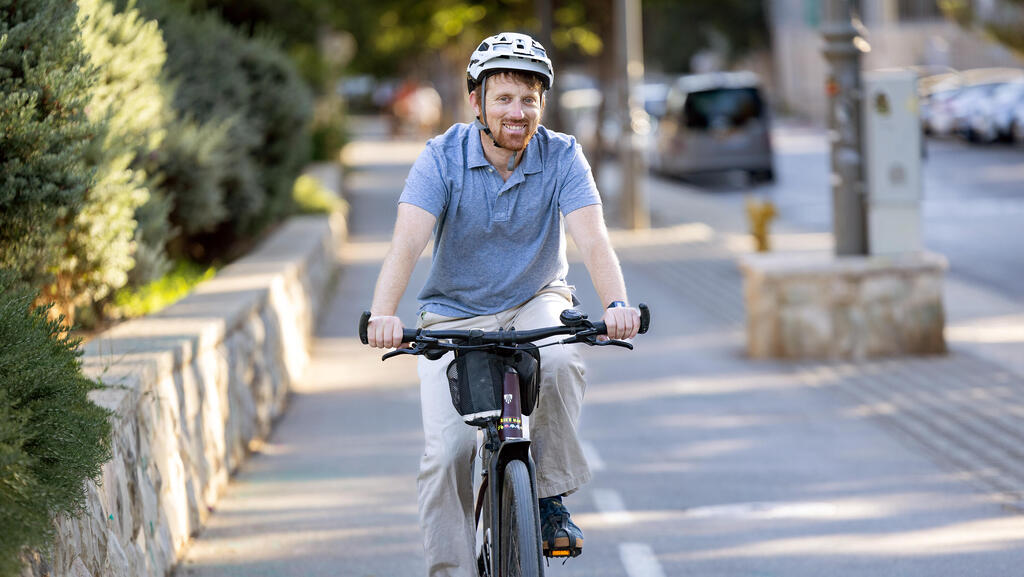
“But when something finally comes to fruition, it is incredibly satisfying to see it become reality. Seeing people start riding bicycles because of a new path or a program that encourages cycling, and hearing them explain how much it has improved their lives, that is very meaningful.”
Shabtay (45), an industrial and management engineer, previously worked as a PMO at project management company Signifer.
“I reached a point where I no longer felt that what I was doing had meaning,” she says. “The interaction with people was amazing, but dealing only with financial and technological issues in front of a computer was less fulfilling.
“At the same time, when students came to me for private math lessons, I really looked forward to the process with them. I started asking myself what I was doing here.”
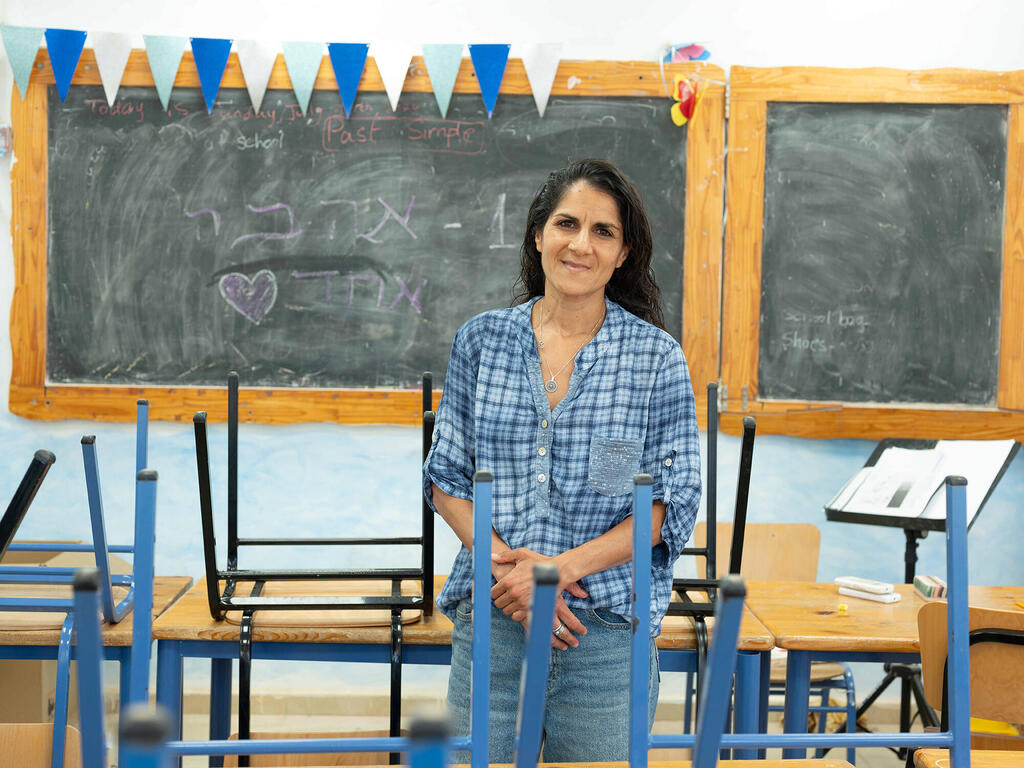
Shabtay took leadership and coaching courses and now conducts workshops. She has been teaching mathematics for eight years, and this year, for the first time, she will also teach a class at an anthroposophical school in Kiryat Ono.
“The children remind me every day that I am no less of a student than they are.”
For Weizman, the change in career is political in the broadest sense.
“Not everyone needs to become Naama Lazimi or Gadi Eisenkot,” he says. “We also need people who manage civil society, organize events, give lectures, run workshops and create educational programs.
“It’s not only about running for the Knesset. It is also about becoming a teacher and paying attention, making documentaries about what is happening in the country, going out to demonstrate, establishing a community garden near your home, joining tours in the West Bank, or donating to organizations.
“Political change happens in many different ways.”



