










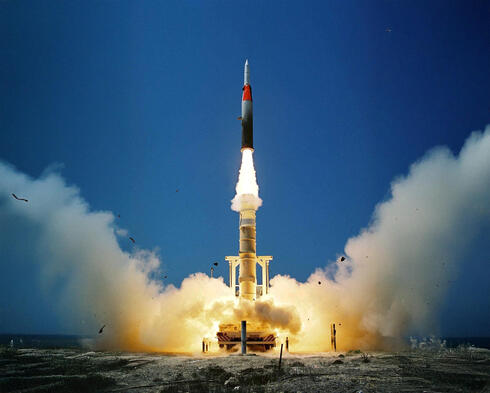
The secretive Israeli company powering the Arrow missiles is preparing a major fundraising
The state-owned defense manufacturer is preparing a bond issuance of up to NIS 500 million ($157 million) to finance expanded production without going public. It will also pay the State NIS 38 million ($12 million) in dividends based on its profits over the past two years.
The Government Companies Authority has authorized Tomer, a state-owned defense company, to distribute approximately NIS 38 million ($11.95 million) in dividends to the State, based on its profits for 2024 and 2025, Calcalist has learned. The company will pay approximately NIS 17.7 million ($5.57 million) in dividends for 2024 and a further NIS 20.5 million ($6.45 million) for 2025.
The authorization, granted by the Government Companies Authority, headed by Roi Kahlon, follows approval by Tomer's board of directors, in accordance with the Government Companies Law. The distributions represent approximately 50% of the company's net profits in the two years: NIS 36.3 million ($11.42 million) in 2024 and NIS 41 million ($12.89 million) in 2025.
Under the Government Companies Authority's policy on profit allocation and dividend distributions, state-owned companies are generally required to distribute at least 50% of their current-year profits as cash dividends, subject to legal requirements and the specific circumstances of each company. Tomer previously benefited from protections granted to companies in their early development stages, allowing it to retain most of its profits rather than transfer them to the State. The latest decision marks a significant increase in the dividends it will pay the government.
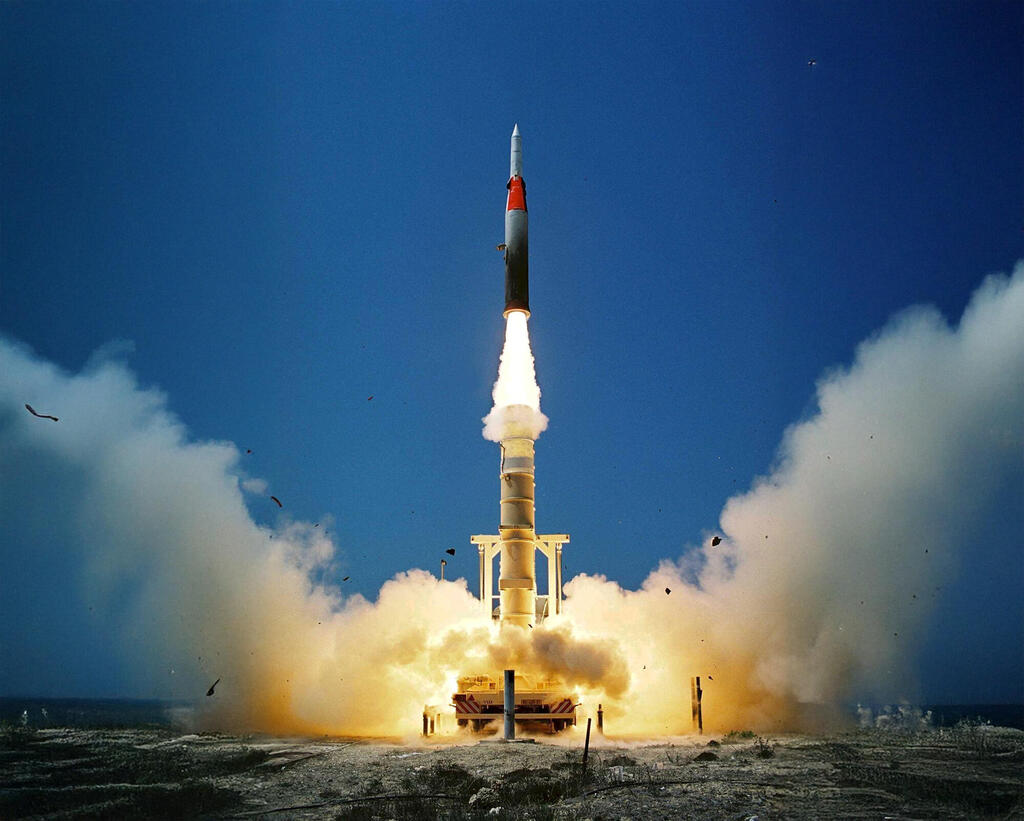
Tomer manufactures rocket propulsion systems for Israel's defense needs across the air, land and sea domains. Its products include engines for the Arrow missile family, boosters used to launch Ofek satellites into space, and motors for artillery rockets designed for different ranges and applications.
The company is also preparing to raise debt from institutional investors to finance an expansion of its production capacity. As Calcalist reported in September, Tomer intends to raise at least NIS 300 million ($94.34 million), with the Government Companies Authority setting a maximum issuance ceiling of NIS 500 million ($157.23 million). The plan is to complete the fundraising by the end of the year through a bond issuance aimed at institutional investors, following a model similar to that used by Rafael.
The proposed structure would allow Tomer to raise capital without becoming a publicly traded company. It would therefore avoid the disclosure requirements imposed on public companies, an important consideration given that much of its activity is classified.
Tomer, chaired by Roni Moreno, was established approximately a decade ago as part of the privatization of Israel Military Industries (IMI) and its subsequent sale to Elbit Systems. The division responsible for rocket propulsion and missile engines, regarded as a unique national center of expertise, was excluded from the transaction and remained under state ownership.
The Government Companies Authority views the planned bond issuance as a compromise between two competing interests: preserving the confidentiality of Tomer's classified operations while giving the company access to the capital it needs to expand production and pursue its development plans.



