










Opinion
The U.S. midterms are the wake-up call Israel needs
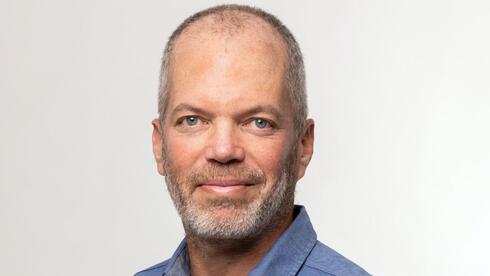
"Israeli tech must step up and be an indispensable asset within a strategic value chain, to build sources of influence and partnership that are less dependent on who holds political power at any given moment," writes Ben Rabinowitz, Founder and Managing Partner of Amiti Ventures.
For decades, Israel could rely on one assumption: regardless of who controlled Congress or led from the White House, the bond and foundations of the U.S.-Israel relationship would hold. This strategic relationship enabled Israel to maintain a clear qualitative military advantage in the Middle East and secure respect from nations around the world. Perhaps the clearest example came during the Obama administration. The so-called bipartisan “unbreakable bond” with Israel was damaged when Prime Minister Netanyahu clashed with President Obama in 2015, culminating in Netanyahu’s address to Congress opposing the administration’s foreign-policy initiative on Iran. Yet the Obama administration and the Democrats showed that the bond held, giving full support to fund Iron Dome development, while the two governments signed a $38 billion, ten-year security agreement, at the time the largest single pledge of U.S. military assistance in history.
In the years that followed, the bipartisan bond and the relationship with Democrats and the U.S. Jewish community were not well managed on the Israeli side. The relationship deteriorated. October 7 exposed the growing cracks. The war in Gaza accelerated an existing shift inside American politics, particularly within the Democratic Party, where military assistance to Israel and the conditions under which it is provided have become increasingly contested.

The huge success of the Democratic Party in the midterms, winning states from South Carolina to Texas, brings that shift into much sharper and more strategic focus. Democrats have now won control of both the House and Senate, giving them significantly greater influence over legislation, military assistance and arms sales during the remaining two years of the Trump presidency. At the same time, President Trump has said that the United States will end its roughly $4 billion in annual financial assistance to Israel after 2026. In addition, Vice President JD Vance posted that many Republicans switched their vote in yesterday’s election since they want to put America first and change the relationship with Israel.
For the first time in decades, Israel must seriously plan for a future in which American support remains critical, but its continuity and terms cannot simply be taken for granted - and a crucial part of that response must come from Israel itself.
Quantum computing is one area where Israel is already building a meaningful position. Its quantum ecosystem grew from approximately five companies in 2019 to more than 20 by 2025, while Israeli quantum companies rank fourth globally in attracting capital. Intel’s recent agreement to acquire Israeli quantum software company Classiq is another indication of the value already being created here. democratic values. We must.
We in the tech sector also have a critical responsibility. Israeli Tech must lead and build something the world relies upon in one of the most valuable and strategic sectors and turn that advantage into lasting geopolitical influence.
Israel is already known globally as the Startup Nation and as one of the world’s leading centers of cybersecurity. High-tech accounts for more than 18% of Israel’s GDP and more than half of its exports. But technological success alone does not make a country indispensable. The challenge now is to build capabilities the world cannot afford to do without.
Quantum computing is one area where Israel is already building a meaningful position. Its quantum ecosystem grew from approximately five companies in 2019 to more than 20 by 2025, while Israeli quantum companies rank fourth globally in attracting capital. Intel’s recent agreement to acquire Israeli quantum software company Classiq is another indication of the value already being created here.
Quantum computing and its ecosystem will disrupt defense, intelligence, new materials, supply chain, drug discovery, finance, and more within this decade. Businesses and Governments will not rely on subpar solutions, they will run on the best hardware, models and software because companies want to win and lead and nations are worried about China. If Israel is the best somewhere critical within this quantum computing value chain, everyone will want a relationship with Israel. Think of TSMC and Taiwan as a good example in the area of semiconductors and compute. Taiwan’s stability and security are a bipartisan issue.
Quantum computing companies are ready to step up, but the government must be a partner. Building a lasting position in quantum will require long-term investment in research, infrastructure and talent, alongside support that allows deep-tech companies to grow from Israel rather than move their most valuable capabilities elsewhere.
Economic interdependence will not replace diplomacy or military alliances, but it can strengthen them. If Israeli technology becomes embedded in industries and economies around the world, Israel’s stability and security become more than a political interest.
The midterms must be a wake-up call on two fronts. The next Israeli Government needs to rebuild relationships in Washington, with a Democratic Party that will now control Congress and a Republican party that also wants a reset of the Israel relationship. This rebuilding may not succeed, but we must have our best people in a new government focused on it. Israeli tech must play a role and step up and be an indispensable asset within a strategic value chain, to build sources of influence and partnership that are less dependent on who holds political power at any given moment.
The opportunity is there. The challenge now is to turn Israel’s technological advantage into a position the world has a stake in preserving.
Ben Rabinowitz is the Founder and Managing Partner of Amiti Ventures.



