











Why Visa paid $2.4 billion for an Israeli company that knows how you behave online
BioCatch uses AI and behavioral biometrics to detect fraud by analyzing thousands of signals, from typing patterns to device interactions, as Visa looks to fight a new generation of scams.
Visa’s $2.4 billion acquisition of Israeli fraud prevention company BioCatch will not fundamentally change the company’s operations, according to CEO Gadi Mazor, who said the deal will instead give the company access to one of the world’s largest financial networks and accelerate its mission of making digital transactions safer.
In a letter to employees following the announcement, Mazor emphasized that BioCatch will continue operating as a standalone business within Visa, with its leadership team, reporting structure and customer relationships remaining unchanged. He said the company will join Visa’s Value-Added Services organization while continuing to serve financial institutions with its existing technology and support teams.
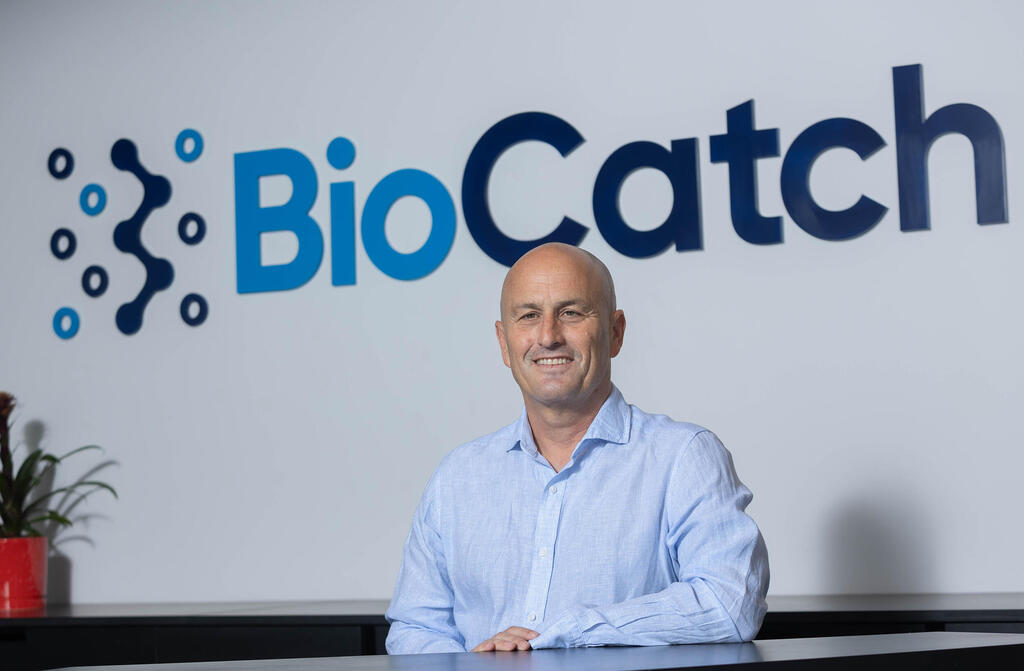
“BioCatch isn’t going anywhere,” Mazor wrote. “Post-acquisition, we will continue to operate as we have, but now as part of Visa.”
Visa announced on Monday that it had signed a definitive agreement to acquire BioCatch from funds advised by private equity firm Permira and other shareholders for $2.4 billion in cash. The deal, which remains subject to regulatory approvals, is expected to close by the end of Visa’s fiscal second quarter of 2027.
Founded in 2011, BioCatch developed behavioral biometric technology that uses artificial intelligence and machine learning to identify fraud by analyzing thousands of signals, including typing patterns, device interactions, touch gestures and other digital behaviors. The company’s technology is designed to distinguish legitimate users from criminals who have gained access to accounts through scams, social engineering or other forms of fraud.
The company currently protects 1.8 billion devices and 760 million users worldwide, serving more than 350 banking customers across 21 countries, including more than 100 of the world’s largest banks.
Mazor said the acquisition comes at a critical moment for the financial industry, as criminals increasingly use artificial intelligence to scale attacks and bypass traditional security measures.
He argued that the industry is moving away from traditional point-in-time authentication methods toward continuous monitoring of user intent, assessing whether a person’s actions match legitimate behavior throughout a digital banking session.
“Pivoting from point-in-time authentication to a continuous assessment of user intent is no longer some prescient strategy shift deployed by the world’s most forward-thinking banks,” Mazor wrote. “It’s rapidly becoming status quo for those institutions serious about protecting their customers and reducing operational expenses.”
According to Visa, account takeovers and scams cost the global economy more than $1 trillion annually, while AI is enabling fraudsters to launch increasingly sophisticated attacks at greater scale.
Visa has invested more than $13 billion over the past five years in technology and infrastructure aimed at protecting its payments ecosystem and reducing fraud.
For Mazor, the strategic appeal of the acquisition is not simply financial but also distribution.
Visa operates in more than 200 countries and territories, works with nearly 14,500 financial institutions, and supports more than 5 billion payment credentials used at over 175 million merchant locations worldwide.
Visa cardholders conducted more than 329 billion transactions worth over $17 trillion during the past year, according to Mazor.
“When we can apply our behavioral and device intelligence to score the authenticity and safety of those hundreds of billions of transactions, we proactively protect those billions of card accounts and tens of thousands of financial institutions,” he wrote.
Mazor said combining BioCatch’s behavioral intelligence with Visa’s global payments infrastructure could allow the company to expand beyond its current banking customers and provide fraud prevention capabilities across a broader range of transactions.
The acquisition could also strengthen BioCatch’s intelligence-sharing capabilities, including BioCatch Trust, a platform that allows financial institutions to share real-time fraud intelligence.
Despite advances in cybersecurity, Mazor warned that the broader fight against financial crime remains difficult.
“As a society and industry, we are not winning this fight,” he wrote, arguing that organized criminal groups continue to benefit from new technologies, financial incentives and increasingly sophisticated methods.
Fraud attempts, scam losses, mule accounts and the number of victims continue to rise globally, he said, creating pressure on banks to adopt more advanced defenses.
Mazor argued that BioCatch customers have been an exception to that trend, with banks using the company’s technology able to identify more fraud and prevent more losses than institutions relying on traditional security tools.
With Visa’s reach, he said, BioCatch will be able to bring those capabilities to more financial institutions and expand its role in preventing fraud.
“Together, we will establish a more comprehensive view of all the interconnected elements behind every fraud or scam, protecting more people around the world from falling victim,” Mazor wrote.



