










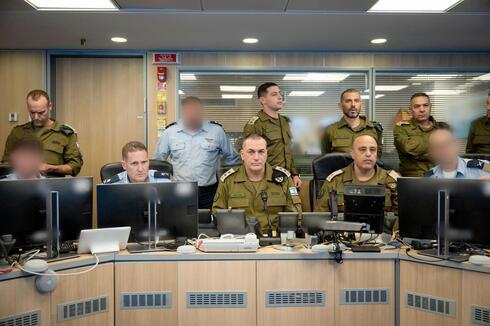
“We have additional surprising moves”: IDF chief says Israel entering next stage of Iran campaign
After claiming near-complete air superiority, Lt. Gen. Eyal Zamir says Israel will now intensify attacks on the Iranian regime’s military infrastructure.
Israel’s military campaign against Iran is entering what the country’s top general describes as a new and potentially more consequential phase, as the Israeli military claims it has largely dismantled Tehran’s air defenses and secured control of the skies.
In a press statement, Israel Defense Forces Chief of Staff Lt. Gen. Eyal Zamir said the campaign is shifting from its initial surprise assault to a broader effort aimed at weakening the Iranian regime’s military infrastructure and power centers.
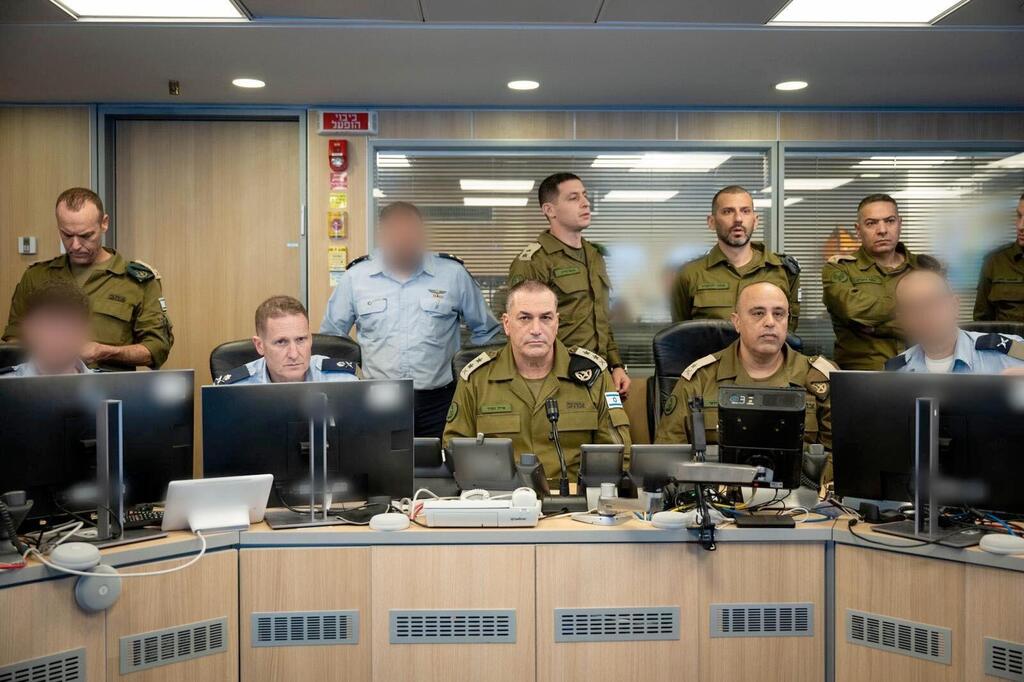
“After completing the stage of the surprise opening strike, in which we created air superiority and suppressed the ballistic missile array, we are now moving to the next stage of the campaign, in which we will increase the damage to the regime’s foundations and its military capabilities,” Zamir said.
The comments suggest that Israel believes the opening phase of the conflict has achieved its central operational objectives: blunting Iran’s air defenses and degrading its missile-launching capabilities. According to Zamir, the Israeli military has destroyed 80 percent of Iran’s air defense systems and has “achieved almost complete air superiority in the skies of Iran.
“The Israeli Air Force has carried out 2,500 strikes and dropped over 6,000 munitions,” Zamir said. “We have neutralized and destroyed more than sixty percent of the ballistic missile launchers.”
At the same time, Zamir signaled that the campaign may expand further, hinting at additional operations yet to be revealed.
“We have additional surprising moves in our hands, which I do not intend to reveal,” he said.
The military’s latest wave of strikes focused on Tehran and surrounding areas, targeting what Israel described as key regime and security infrastructure. According to the IDF, around 90 Israeli Air Force fighter jets participated in the operation, striking roughly 40 targets with about 200 bombs.
Among the sites hit were the headquarters of Iran’s special forces, bases belonging to the Basij paramilitary force, and other facilities linked to the regime’s security apparatus.
The IDF said it struck what it described as the “headquarters of the special units of the Iranian terror regime” in Alborz province, west of Tehran. According to the military, the facility directs the regime’s special units operating in the province and coordinates elements of the armed forces.
Elsewhere in the capital, Israeli aircraft targeted installations belonging to the Islamic Revolutionary Guard Corps, as well as Basij bases, an internal security forces headquarters, and dozens of additional command centers and weapons storage sites.
The escalation comes amid continued Iranian retaliation. According to a military source cited by Iran’s Fars news agency, Iran has launched more than 500 ballistic and cruise missiles and over 2,000 drones since the start of the war. The report claimed that 40 percent of those attacks targeted Israel, while 60 percent were directed at American sites in the region.
Despite that claim, Iranian missile and drone strikes have also hit civilian sites in several Gulf countries and in Azerbaijan.



