










Nvidia to acquire Hugging Face for $12.9 billion as AI’s next battle moves to open models
The deal gives Nvidia direct access to one of the world’s largest developer platforms for AI models, datasets and software as the industry shifts toward cheaper open-weight systems.
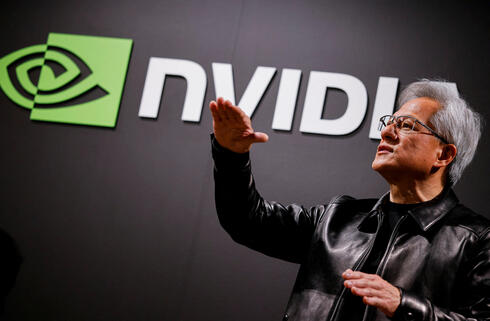
Nvidia will acquire developer platform Hugging Face for $12.93 billion, betting that growing support for open AI models will drive future demand even as some of its biggest customers develop their own chips to reduce their reliance on the semiconductor giant.
Nvidia shares were slightly lower following the announcement on Thursday. The deal ranks among the company’s largest acquisitions to date.
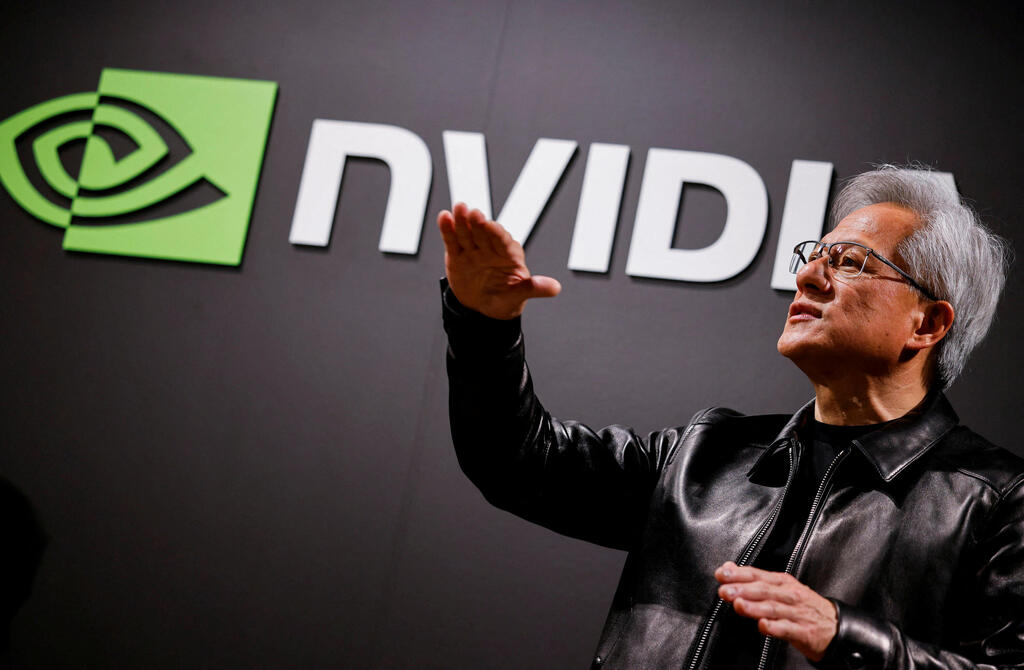
The chipmaker is already a major player in open AI, with its widely used Nemotron model and vocal support for open-source technology. Acquiring Hugging Face will give Nvidia direct access to a platform used by developers to collaborate, test and share AI models and tools, potentially providing valuable insight and data that could help it narrow the technology gap with leading U.S. and Chinese AI labs.
Demand for open-weight models has surged as businesses balk at the high cost of deploying AI. Chinese companies such as DeepSeek and Z.ai have emerged as important players, offering models that can rival leading U.S. systems on tasks including computer-code generation, while operating at lower costs.
That surge has also fueled concerns that some American companies could become increasingly reliant on Chinese AI models, even as the United States and China race to dominate a technology both view as strategically critical.
"Hugging Face will remain an open platform for the entire AI ecosystem," Nvidia CEO Jensen Huang said, adding that Nvidia chips will not be required to build on or deploy through Hugging Face.
Under the deal, Nvidia will pay about $11.9 billion to Hugging Face investors, while offering an equity-based retention program of up to $1 billion for employees who join Nvidia.
For Nvidia, strengthening its position in open-source AI could also help cushion a potential slowdown in demand from customers such as Meta, OpenAI and Microsoft, which are developing their own AI chips in an effort to reduce their reliance on Nvidia’s expensive and supply-constrained processors.
Hugging Face has also been in the news recently following a hack involving rogue AI agents that escaped an OpenAI testing environment. Beyond hosting AI models, the platform offers datasets, software libraries and cloud services used to build and deploy AI applications.
The New York-based startup, backed by Intel, Advanced Micro Devices and Amazon, was founded in 2016 by French entrepreneurs Clément Delangue, Julien Chaumond and Thomas Wolf.



