










Tulip reaches $1.3 billion valuation in $120 million Series D as it expands its Israeli footprint
The round, led by Mitsubishi Electric, follows Tulip’s acquisition of Israeli startup Akooda and the opening of a new R&D hub in Tel Aviv.
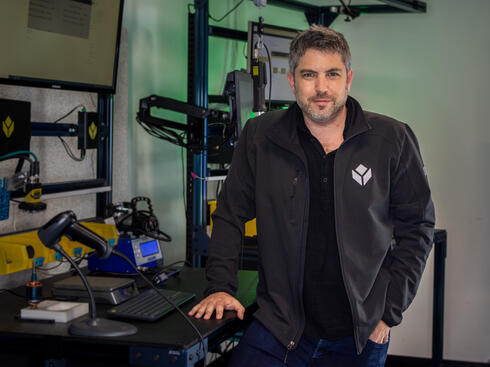
Tulip, an industrial software company founded by Israelis Natan Linder and Rony Kubat, has raised $120 million in a Series D funding round led by Mitsubishi Electric, valuing the company at $1.3 billion and reinforcing its push to reshape how technology is used on the factory floor.
Mitsubishi Electric’s decision to lead the round, alongside a strategic partnership agreement, reflects a shift in how established manufacturers pursue digital transformation. Under the alliance, Mitsubishi Electric will deploy Tulip’s composable platform to roll out AI-driven applications across manufacturing sites, moving away from monolithic software architectures toward more modular systems that can be adapted locally.
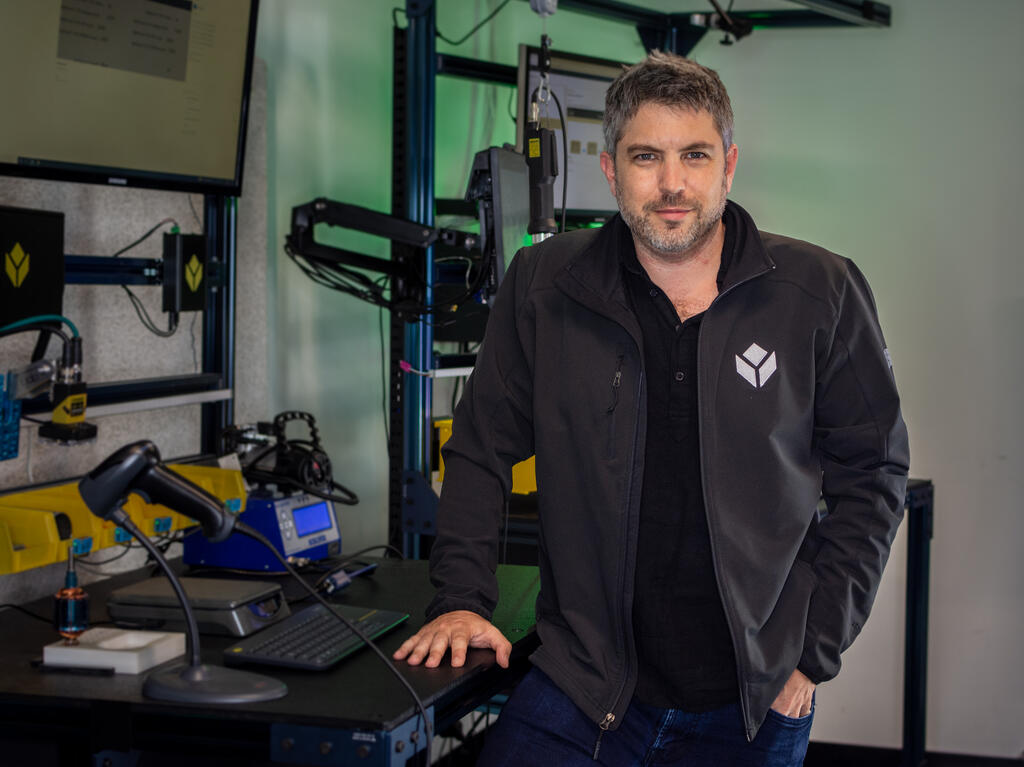
The funding, completed last week, comes as Tulip is deepening its ties to Israel, not only through its founders, but also through a newly established R&D presence following its acquisition of Israeli startup Akooda two months ago.
Akooda, a Tel Aviv-based startup founded in 2021 by former members of Israel’s Unit 8200, developed technology that connects to a company’s internal systems and analyzes organizational data to surface insights about workflows, bottlenecks, and decision-making processes at scale.
As part of the deal, valued in the tens of millions of dollars, though not formally disclosed, Tulip established an R&D center in Tel Aviv. All Akooda employees moved to the new site, which will work closely with Tulip’s engineering teams in Munich. The Israeli operation is expected to play a central role in accelerating the company’s AI capabilities, particularly around data analysis and personalization.
Tulip has expanded its headcount by 135% over three years to more than 300 employees and opened offices in Singapore, Munich, Budapest, Tokyo, and now Tel Aviv. In 2025, the company said its platform supported tens of thousands of frontline workers across more than 1,000 customer sites in 45 countries.



