










Israeli airline stocks surge after suspected terror attack aboard Flydubai flight
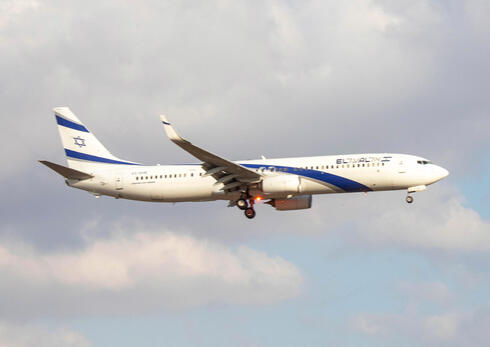
El Al jumped 7.9% and Israir 8.8% as authorities examine an alleged attempt to crash a flight bound for Israel.
Israeli airline stocks surged on Wednesday following the drama aboard a Flydubai flight that transmitted distress signals, diverted to Saudi Arabia and triggered the scrambling of Israeli fighter jets.
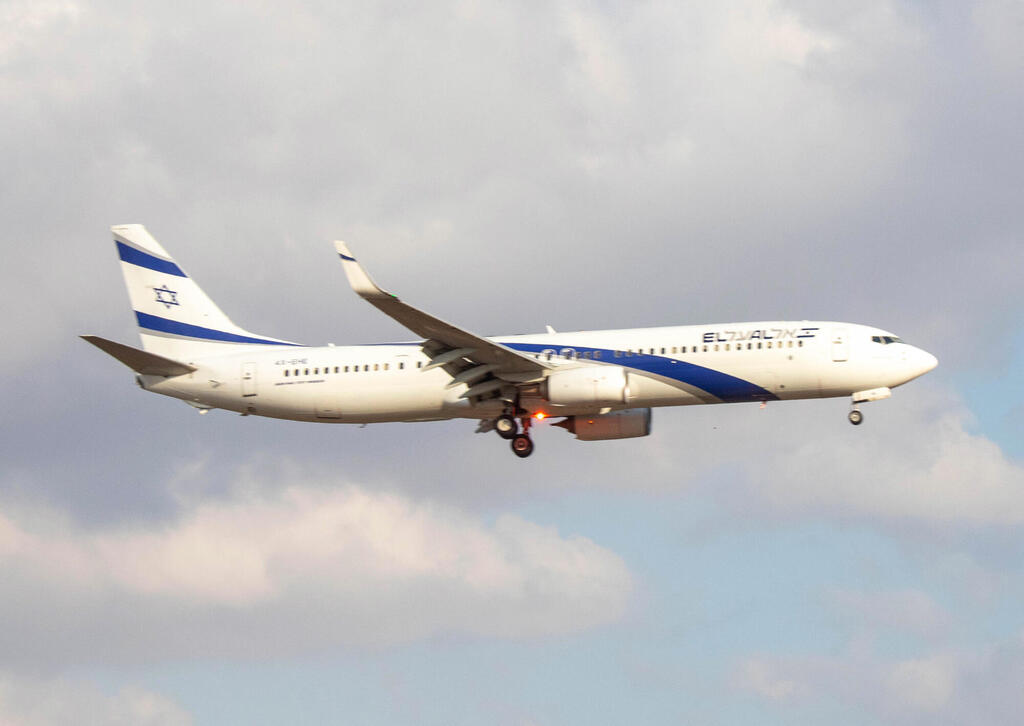
El Al shares jumped 7.9%, while Israir rose 8.8%. Both stocks also recorded unusually high trading volumes, at roughly 3.5 times their daily average over the past year.
The Flydubai flight was traveling from Dubai to Israel when it transmitted distress signals and sharply descended before diverting to Saudi Arabia. The developments initially raised fears of a hijacking and prompted the Israeli Air Force to scramble fighter jets.
The aircraft ultimately landed safely in Saudi Arabia, and Flydubai dispatched a replacement aircraft to carry the passengers to Israel. The circumstances that led to the sharp descent and distress signals were initially unclear, with several theories being examined.
Following a joint situation assessment by the IDF, Shin Bet and Mossad, the prevailing Israeli assessment is that the incident was an act of terror. According to the working hypothesis, the Omani co-pilot attempted to crash the aircraft, while the Emirati pilot, assisted by passengers, managed to subdue him.
An Israeli official said, "An undercover security agent assisted in subduing the pilot, and other pilots on board helped land the aircraft."
The incident could have broader implications for the aviation market between Israel and the United Arab Emirates.
Israeli airlines are currently not operating flights to the UAE. Their operations on the route were suspended following Operation "Roaring Lion" over security concerns, and Israel is awaiting agreements with Emirati aviation authorities on security arrangements that would allow Israeli carriers to resume flights.
Emirati airlines Flydubai and Etihad, however, continue to operate flights to and from Israel, while El Al, Israir and Arkia remain unable to operate routes to the UAE. The current suspension of Israeli carriers is in effect until the end of October, although industry estimates suggest it could be extended until at least November.
Although El Al and Israir are not currently operating direct flights to Dubai and therefore do not directly compete with Flydubai on the route, many Israelis use the Emirati carrier for connecting flights to destinations beyond the UAE.
The suspected terror incident could increase demand for Israeli carriers among passengers who prefer to fly with an Israeli airline, even at a higher cost, rather than use connecting routes through Dubai.
Transportation Minister Miri Regev is calling on the Shin Bet to allow Israeli airlines to resume flights to Dubai while simultaneously freezing Flydubai's route pending a thorough security review.
The issue was raised at a recent meeting between the Transportation Ministry and the Prime Minister's Office. According to the concerns raised at the meeting, the pilot involved in the attack held dual citizenship and had been granted clearance to enter Israel despite being a citizen of a country with which Israel has no diplomatic relations.
The meeting also raised questions about whether the pilot's entry had violated agreements between the Civil Aviation Authority and Flydubai.
The developments have put the security arrangements governing flights between Israel and the UAE under renewed scrutiny, while investors appear to be betting that any disruption to Flydubai's operations could benefit Israeli airlines.



