










ExxonMobil is making a move toward the Israeli market, but competition in the gas sector remains a long way off
Discussions between Energean and ExxonMobil regarding a joint bid in a new gas exploration tender are raising hopes that competition will emerge for Chevron, which holds a 40% stake in Leviathan and a 25% stake in Tamar.
Discussions between Energean and ExxonMobil regarding a joint bid in the new gas exploration tender are raising hopes that competition will emerge for Chevron, which holds a 40% stake in Leviathan and a 25% stake in Tamar. However, lessons from past exploration efforts, the limited likelihood of major discoveries, and lengthy timelines suggest that there is still a long road ahead.
The prospect of a joint bid in the new exploration tender offers the Ministry of Energy grounds for optimism.
From the Ministry’s perspective, the very fact that one of the world’s major energy companies is showing interest indicates that, despite the protracted war and regional turbulence, Israel is still viewed as an attractive destination for energy investment. However, even if Exxon does decide to join the tender, there is still a long road ahead before it actually enters the Israeli gas market, and certainly before it drives increased competition within that sector.
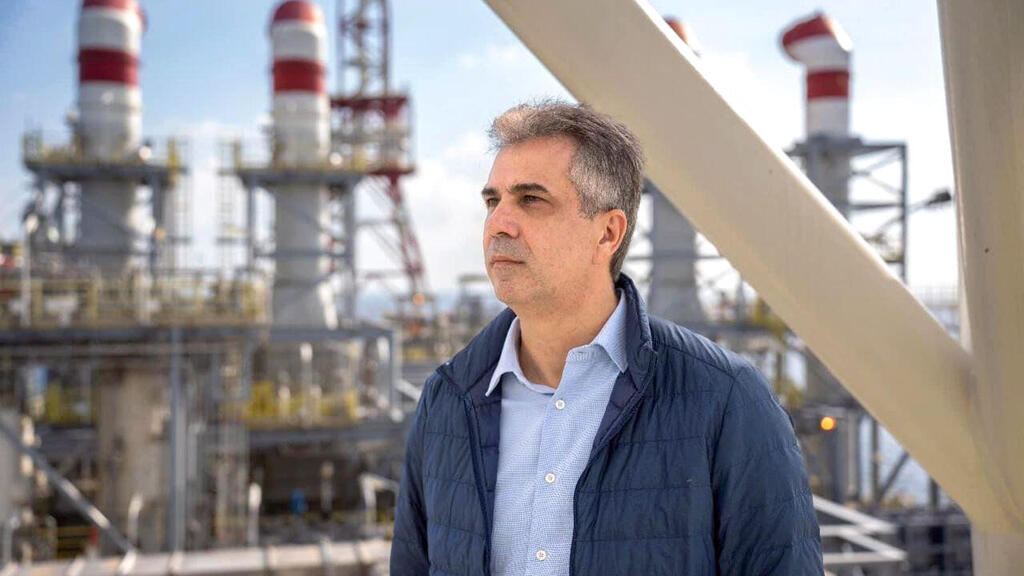
Energy Minister Eli Cohen and his ministry’s Director-General, Yossi Dayan, launched the fifth natural gas exploration round last week, delayed by approximately five months due to the war with Iran. The process involves offering six exploration clusters covering an area of about 7,600 square kilometers within Israel’s economic waters. Professional estimates suggest that each cluster could hold around 50 BCM of natural gas, with potential for oil in deeper geological layers. At the press conference announcing the launch, the minister hinted that a "company on the scale of Chevron" is interested in Israel's gas resources.
At this stage, discussions between Energean and Exxon regarding a joint bid for the tender are in their early stages. However, the two companies are already collaborating on a gas exploration project near the maritime border between Greece and Italy. Last November, they announced an initial exploration well in the area expected to commence later this year, marking the first such operation in Greece since 1981. In the Greek project, Energean serves as the operator and holds a 30% stake, while Exxon holds 60% and HelleniQ Energy holds the remaining 10%. It has been agreed that, in the event of a commercial discovery, Exxon will lead the development and operation of the field.
Energean itself occupies a unique position in the Israeli tender. While companies already active in the local gas market receive a lower score (in an effort to encourage the entry of new players), Energean stands to benefit from a full score, as it has already sold the entire gas reserves of the Karish field to the local market.
In the current tender, Energean is set to receive priority status, placing it on a similar footing to new companies seeking to enter the Israeli energy market. This is due to the sale of all gas reserves from the Karish field, a move that has prevented the company from signing new gas supply agreements and expanding its competitive capacity. Chevron (USA) and NewMed Energy, partners in the Leviathan field, are barred from participating in the current tender.
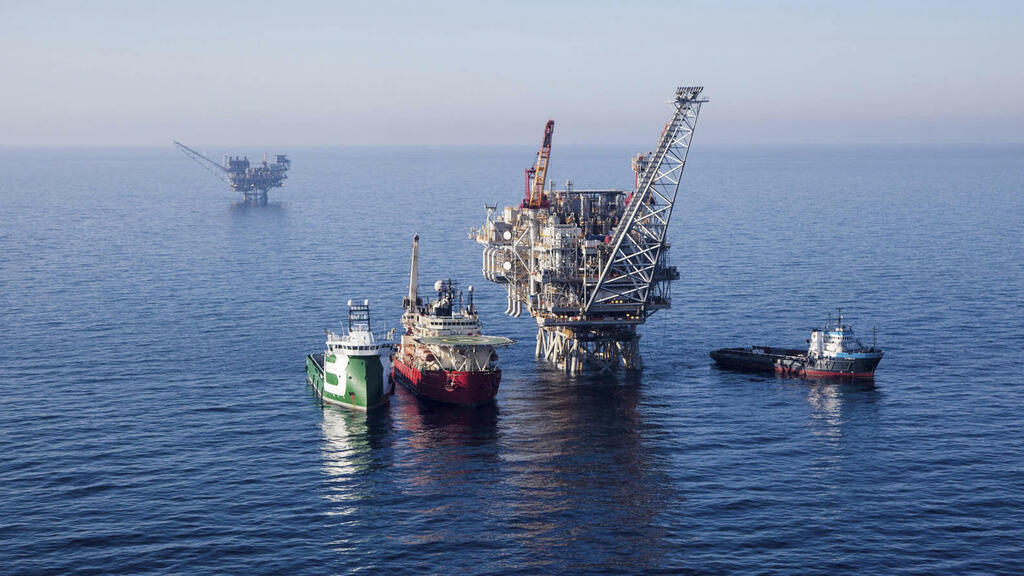
For Exxon, entering Israel would mark a shift in direction. Exxon is the largest U.S. energy company by market capitalization (approximately $572 billion) and the second-largest in the world, trailing only the Saudi giant Aramco. About seven years ago, then-Energy Minister Yuval Steinitz attempted to persuade the company to participate in natural gas exploration in the Mediterranean, but without success.
Ultimately, Chevron became the first international energy giant to operate in Israel after acquiring Noble Energy in 2020 in a stock-for-stock deal valued at approximately $5 billion. Following the transaction, Chevron became the largest shareholder in the Leviathan field, with a 40% stake, and holds a 25% interest in the Tamar field, serving as the operator of both fields.
The energy market estimates that Chevron's presence in Israel could actually make it easier for Exxon to reach a similar decision. "Before Chevron entered Israel, Exxon was concerned about the potential repercussions for its operations in the Arab world," an industry executive told Calcalist. "The fact that Chevron has been operating here for several years without triggering a significant regional crisis has alleviated those concerns. In that sense, Exxon 'shaved using Chevron's beard,' meaning it learned from Chevron's experience."
According to him, if Exxon joins the search for natural gas in Israel, it could pave the way for other international energy companies as well. "The Middle East is changing rapidly. In contrast to the uncertainty in the Persian Gulf, gas assets in the Eastern Mediterranean are currently viewed by some companies as more stable," he said. He added that the considerations of international energy companies also include Syria's future reconstruction needs, the anticipated rise in gas demand in Egypt and Jordan, and continued demand in Europe against the backdrop of the ongoing war between Russia and Ukraine.
However, even if the current tender succeeds in attracting major players, experience from recent years shows that the path to discovering new fields is far from guaranteed. The four previous exploration rounds yielded limited results: the first round led to the discovery of the relatively small Dragon and Katlan fields; the second round ended unsuccessfully; the third remains stalled in legal proceedings; and the results of the fourth round have not yet been published.
The Ministry of Energy presents a more optimistic picture. According to the Ministry, following the fourth licensing round, SOCAR (Azerbaijan) and BP have begun preparations to conduct seismic surveys later this year, while Ratio and Dana Petroleum are seeking a new operator to replace Italy’s Eni, which withdrew from the partnership due to the war. The Ministry believes that the success of the fifth round could bolster Israel’s energy security, expand gas reserves, and increase market competition in the future, a move that could also contribute to lowering electricity rates.
However, even if the optimistic scenario plays out, the impact will not be immediate. Following the publication of the tender, companies will have four months to submit their proposals. Only then will the Natural Resources Administration evaluate their compliance with the threshold criteria, score the proposals, and announce the winners. The selected companies will be granted approximately three years to carry out initial exploration work; the development phase, which typically takes several additional years, will commence only if a commercial-grade deposit is discovered.
Added to this is the fact that even the Ministry of Energy does not anticipate the discovery of another field on the scale of Leviathan, which holds approximately 600 BCM of natural gas. Nevertheless, the hope is that even smaller discoveries will suffice to attract additional international companies to Israel and establish long-term operations here, though there is still a long way to go before this translates into genuine competition within the Israeli gas market.



