









Once worth NIS 1 billion, Pluri is now racing to avoid Nasdaq delisting
After years of missed commercial breakthroughs, the stem-cell developer is betting its future on a new strategy and the longevity boom.
Pluri, formerly known as Pluristem, received another painful reminder this week of how far it has fallen.
Nasdaq notified the Israeli biotech company that it no longer meets the exchange's minimum market capitalization requirement and could be delisted if it fails to regain compliance within six months. Unless Pluri's market value nearly doubles by January 4, 2027, its shares could be moved to the Over-the-Counter (OTC) market, where companies that fail to meet Nasdaq's listing standards are traded.
The warning follows a 46% decline in Pluri's shares since the start of the year and a 70.5% drop over the past 12 months, leaving the company with a market capitalization of roughly NIS 50 million ($17 million). Nasdaq requires a minimum market value of $35 million for continued listing.
The company has been here before.
At its peak in September 2020, Pluri was valued at nearly NIS 1 billion and was regarded as one of Israel's most promising stem-cell companies. In 2022, it received a similar Nasdaq warning after its market value fell to around NIS 200 million. It avoided delisting by carrying out a reverse stock split, which reduced the number of outstanding shares and mechanically lifted the share price above Nasdaq's threshold. The solution proved temporary, and the company now finds itself confronting the same problem once again.
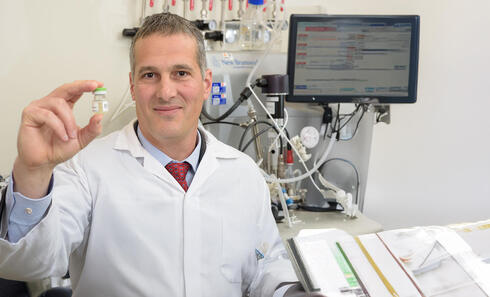
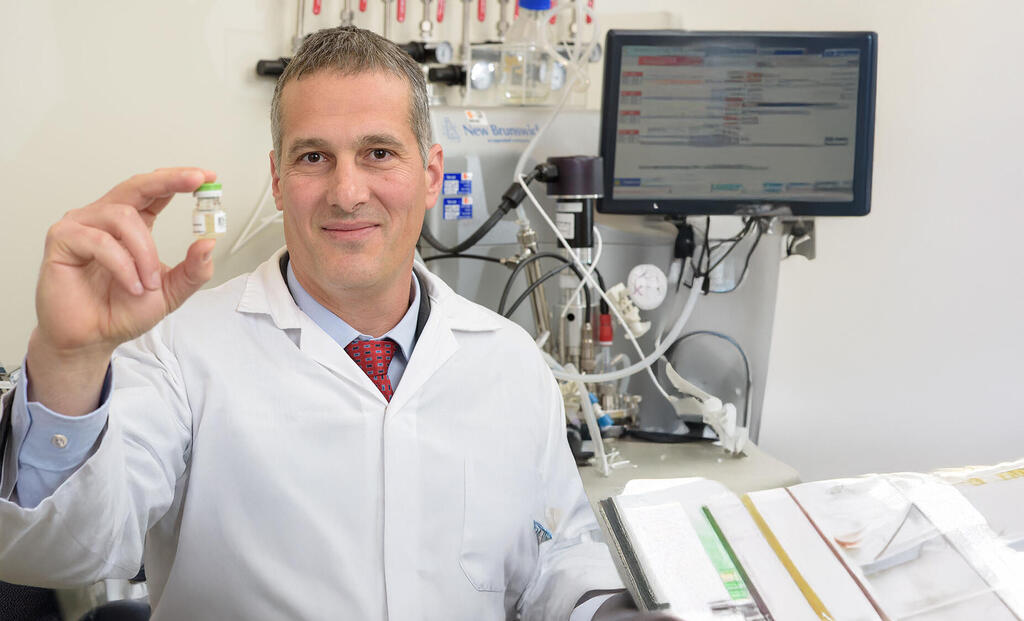
Founded as Pluristem, the company develops therapies based on stem cells derived from placentas collected after childbirth. Rather than replacing damaged tissue, its technology is designed to stimulate the body's natural repair mechanisms through the release of proteins and other biological signaling molecules.
Betting on a new strategy
This time, management insists the story is different.
In recent months, executives have met with institutional investors in an effort to attract fresh capital and convince the market that Pluri has evolved beyond its traditional biotech model.
According to presentations delivered by CEO Yaky Yanay and his team, the company no longer sees itself as a single-product drug developer forced to bet everything on one successful clinical program. Instead, it describes itself as a cell-manufacturing platform capable of producing multiple types of therapeutic cells at industrial scale.
Management argues that 2026 will mark the transition from a research-focused company to a commercial business capable of generating meaningful revenue.
Pluri is also seeking to capitalize on the surge of investor interest in longevity and regenerative medicine.
The company argues that growing demand for treatments aimed at extending healthy lifespans has created new commercial opportunities in cellular medicine and regenerative aesthetics.
Investor presentations highlight the billions of dollars flowing into the sector, including approximately $3 billion invested by Jeff Bezos through Altos Labs and roughly $1 billion committed by Sam Altman.
Pluri believes its decades of experience developing stem-cell technologies position it to benefit from that trend, with stem cells increasingly viewed as a key tool in regenerative medicine and age-related therapies.
One investor who appears convinced is Chilean businessman Alejandro Weinstein, who increased his stake to 35% over the past year, making him the company's largest shareholder. Weinstein has invested approximately $17 million in Pluri and became chairman of the company at the end of last year.
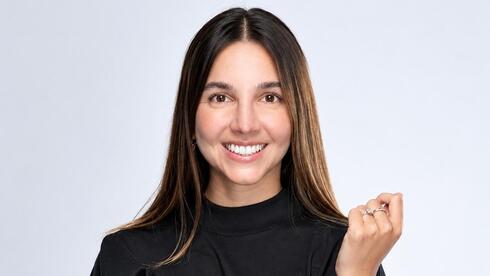
Another recent investor is finance influencer Guy Natan, whose hedge fund, Valley, invested NIS 500,000 in Pluri.
"This is a very small investment relative to the size of the fund," Natan said. "It's part of a diversification strategy focused on companies whose market reputation has been severely damaged. But after meeting the controlling shareholders, I believe there is still potential."
Convincing investors will not be easy.
During the COVID-19 pandemic, then-Pluristem became one of Israel's most closely watched biotechnology companies after pivoting to develop a stem-cell therapy for critically ill coronavirus patients. The company reported encouraging early treatments, but the program ultimately failed to become a commercial product.
Since then, Pluri has repeatedly reinvented itself.
It later expanded into vascular disease treatments, entered agricultural biotechnology through collaborations on cell-based cocoa and cultivated coffee, including a partnership with Israeli company AgFoodTech, and in 2023 launched development of stem-cell therapies designed to treat victims of radiation exposure.
None of those initiatives has generated meaningful commercial revenue.
"We didn't succeed. We came very close, but close isn't success," Yanay recently told Calcalist.
"We didn't succeed in the clinical trials, and I'm putting that on the table. You can't spend 20 years doing R&D. A company has to sell products and become profitable. That's why I'm no longer willing to take the risks associated with lengthy clinical development. Some U.S. states are changing their regulations and allowing stem-cell treatments without FDA approval. That could significantly shorten the path to commercialization. We want to leverage everything we've developed over the past 20 years and finally begin generating revenue."
Investors, however, have heard similar promises before.
In the first quarter of 2026, Pluri posted a loss of nearly NIS 20 million, compared with NIS 23.5 million in the same period a year earlier.
For 2025, the company reported a net loss of NIS 86 million, up from NIS 74 million in 2024, while cash and deposits had fallen to just $10 million.
The challenge facing Pluri is therefore no longer simply whether its latest strategy can succeed.
It is whether it can succeed before the company runs out of time, and before Nasdaq decides its future no longer belongs on the exchange.



