










U.S. airlift and local production sustain Israel’s war effort
Dozens of cargo planes deliver weapons as domestic industry struggles to keep pace.
The high rate of ammunition consumption by the Air Force, following intensive strikes on Iran and the prolongation of the war, is increasingly visible on the production lines of Israel’s defense industries, which are operating around the clock. Most production efforts are focused on missiles for air defense systems, air-to-ground bombs, various types of attack missiles, and unmanned aerial vehicles, capabilities essential to a war effort largely led by the Air Force.
According to data presented by Defense Ministry Director General Amir Baram during a situational assessment with executives of the country’s major defense firms, procurement orders since the beginning of the year have reached NIS 19.5 billion (approximately $6.25B). The majority has been allocated to defense missiles, air-to-ground munitions, bomb guidance kits, missile engines, and related systems. Of this amount, NIS 10 billion ($3.2B) was directed to the four largest companies, Elbit Systems, Rafael Advanced Defense Systems, Israel Aerospace Industries, and Tomer, while the remainder went to smaller and mid-sized defense firms.
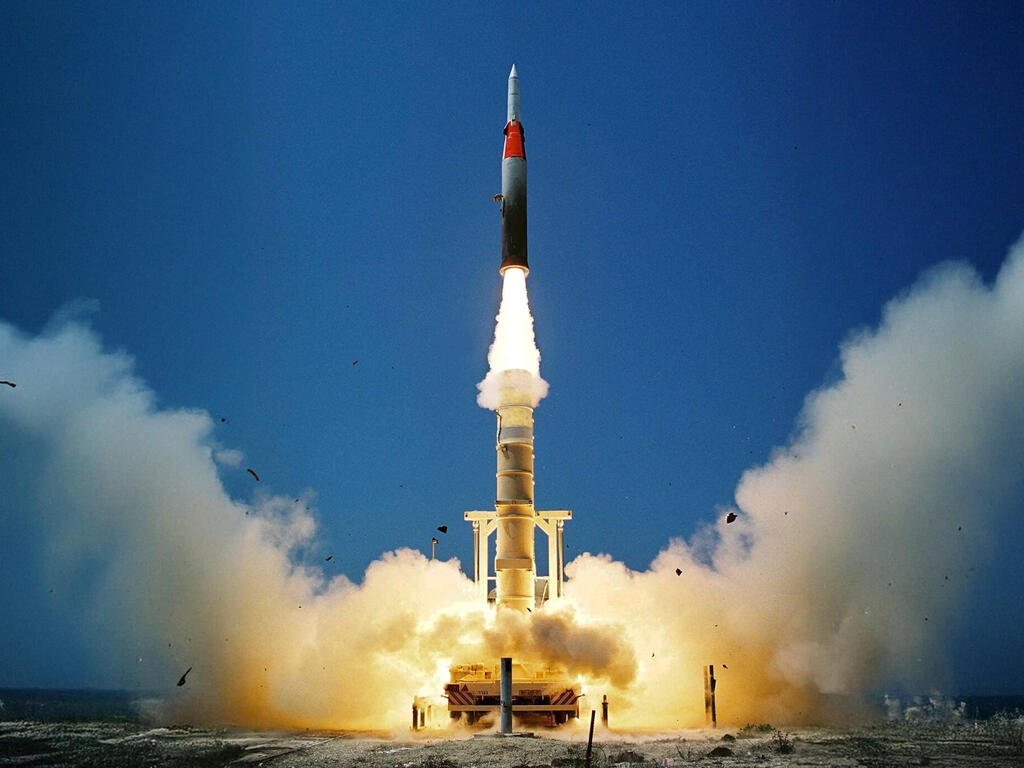
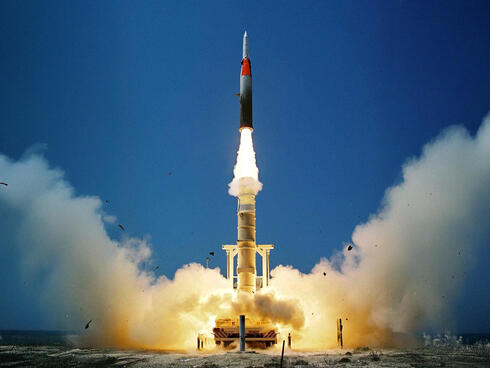
Elbit produces advanced attack missiles, including the Rampage missile used in strikes in Iran, as well as unmanned aerial systems. Israel Aerospace Industries manufactures defensive missiles for systems such as Arrow and Barak MX, alongside cruise missiles and UAVs. Rafael produces the David’s Sling and Iron Dome air defense systems, while Tomer focuses on the development and production of propulsion systems for missiles and rockets used by Elbit and IAI.
The surge in procurement comes amid significantly higher ammunition consumption compared with the previous confrontation with Iran in June last year. The availability of American aerial refueling aircraft has enabled the Air Force to conduct a greater number of long-range sorties, increasing the pace of munitions use accordingly.
This demand is straining an industry already working to replenish depleted stockpiles across multiple fronts since October 7, while also meeting commitments to international customers and responding to rising global demand for weapons. According to Baram, cooperation between the defense industries and the military allows weapons to move from production lines to the battlefield within hours, with lessons incorporated and adjustments made on a near-daily basis.
Production pressures are particularly acute in missile defense systems. For weeks, air defense units have faced sustained barrages of ballistic missiles from Iran, alongside rockets and drones launched by Hezbollah from Lebanon.
The failure to intercept missiles last weekend targeting the cities of Dimona and Arad underscored the complexity of these operations and the Air Force’s interception strategy. On Saturday, it opted not to deploy the Arrow 3 system, capable of intercepting threats outside the atmosphere, and instead relied on David’s Sling, which operates within the atmosphere. The result was more than 100 people wounded, including around ten seriously, alongside significant damage to buildings and infrastructure.
While orders from the Defense Ministry continue to flow, its financial obligations to defense companies are mounting, effectively leaving them to extend credit to the state. The ministry owes approximately NIS 4 billion each to Israel Aerospace Industries and Elbit Systems. Officials say these debts will be settled once the defense budget is formally approved. Since the outbreak of the war, the budget has already been increased by roughly NIS 32 billion to a total of NIS 144 billion, though officials acknowledge that an additional increase of NIS 33 billion may be required.
At the same time, an ongoing airlift, primarily from the United States and Germany, continues to supply Israel with military equipment. Dozens of cargo aircraft have arrived since the start of the war, carrying vehicles, bombs, missiles, and other defense materiel. The Defense Ministry has not disclosed the total scope of these overseas purchases.



