










Cost of war soars: Israel faces mounting defense budget shortfall
Daily military spending reaches NIS 1.7 billion as multi-front conflict intensifies
As the war with Iran drags on and the secondary front with Hezbollah in Lebanon intensifies, there is growing consensus within Israel’s defense establishment: this will not be the last war, and the recent increase in the defense budget will not be the last.
Just two weeks ago, Israel approved a NIS 32 billion increase, bringing the 2026 defense budget to approximately NIS 144 billion. Yet defense officials now estimate that a further NIS 33 billion will be required by year-end to meet operational needs across multiple fronts, an estimate that does not include the potential cost of a ground maneuver in Lebanon, which would depend on its scale and duration.
Calculations by the IDF’s Budget and Finance Division and the Ministry of Defense suggest that the pace of operational activity is outstripping budget planning. Even before the current escalation with Iran, the defense establishment had estimated that a month of fighting could cost around NIS 40 billion.
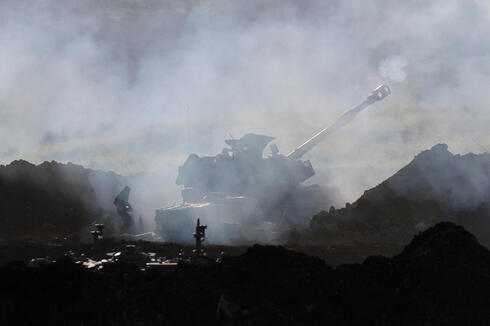
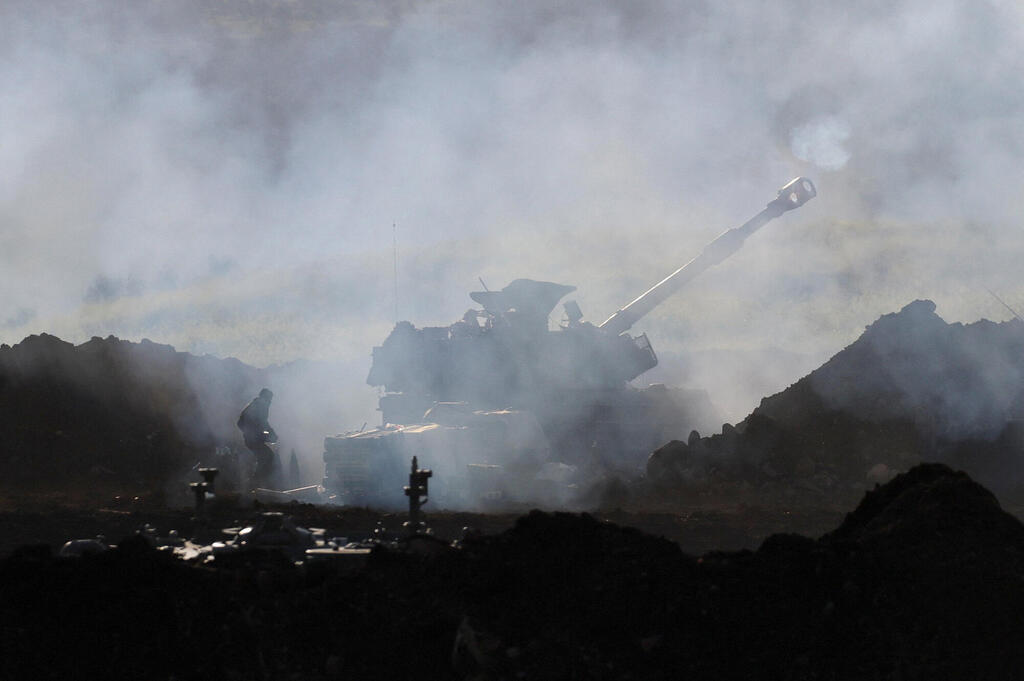
The daily cost of the war is now estimated at between NIS 1.5 billion and NIS 1.7 billion, driven largely by intensive air operations and the high consumption of munitions.
Since the start of the current fighting with Hezbollah, the IDF has deployed four divisions in southern Lebanon, despite earlier assessments, following the previous northern conflict roughly 18 months ago, that the region was enjoying its most stable security conditions since the early 1980s. Those assessments now appear overly optimistic, particularly given Hezbollah’s rapid reconstruction capabilities.
The current conflict has also expanded Israel’s operational footprint, including sustained activity in large parts of Gaza and control of strategic areas such as the Hermon region following the collapse of the Assad regime in Syria.
Despite rising costs, the defense establishment is still operating under a rolling budget approved in April 2024, totaling approximately NIS 85 billion. As a result, the Ministry of Defense has been delaying payments to major suppliers.
Israel Aerospace Industries is owed roughly NIS 4 billion, while Elbit Systems is owed a similar amount. Rafael Advanced Defense Systems is also expected to face delayed payments, though it has yet to publish its latest financial results.
While these companies treat the unpaid sums as secure receivables, the delays are already being felt. Defense firms have been told that payment flows should improve once the state budget is formally approved, but in the meantime, procurement has slowed.
Numerous purchase orders have yet to be issued, including for critical armaments such as interceptor missiles like Arrow 3 and David’s Sling, both of which are being used extensively in the current campaign.
The current funding gap was largely foreseeable. Last December, the defense establishment initially requested a 2026 budget of NIS 144 billion, but only NIS 112 billion was approved. Subsequent wartime allocations partially bridged the gap, but have not kept pace with the scale of operations.
As a result, the defense establishment is now effectively seeking a total budget of approximately NIS 177 billion for the year.
“The pace of operational changes is exceeding the capacity of a standard budget framework,” said a defense source familiar with the planning scenarios. “Even after this war, we will need to return to the government for additional funding and develop mechanisms to adjust the budget more dynamically.”
At the same time, the IDF is seeking to maximize the advantages of direct U.S. involvement in the campaign against Iran. According to a senior defense official, Israeli fighter jets are operating in coordination with U.S. aerial refueling systems, enabling extended missions and rapid retargeting.
“This creates a level of operational redundancy that significantly enhances our strike capabilities,” the official said.
However, questions remain about the feasibility of achieving the war’s most ambitious objective: the collapse of Iran’s ruling regime. In the absence of a clear path to that outcome, Israel appears focused on degrading Iran’s military infrastructure, particularly its ballistic missile production capabilities, in an effort to delay future conflict.
Israeli strikes in recent weeks have targeted defense-industrial sites, launch systems, and ammunition depots, while also attempting to reduce the frequency and scale of missile launches toward Israel.
Despite these efforts, Iranian missile fire continues, disrupting daily life and imposing a prolonged state of emergency on the Israeli economy. This persists even as the IDF emphasizes that the volume of launches is lower than in previous rounds of fighting.



