










New pipeline clears path for Israel’s biggest gas export deal with Egypt
The Ashdod-Ashkelon connection will increase Leviathan export capacity by 43% as Israel moves to expand deliveries under a $35 billion agreement.
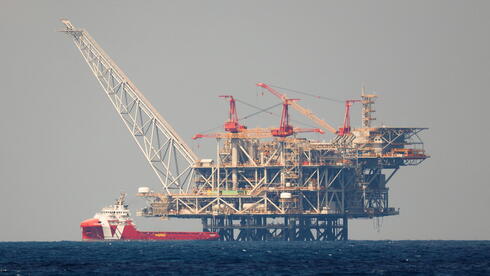
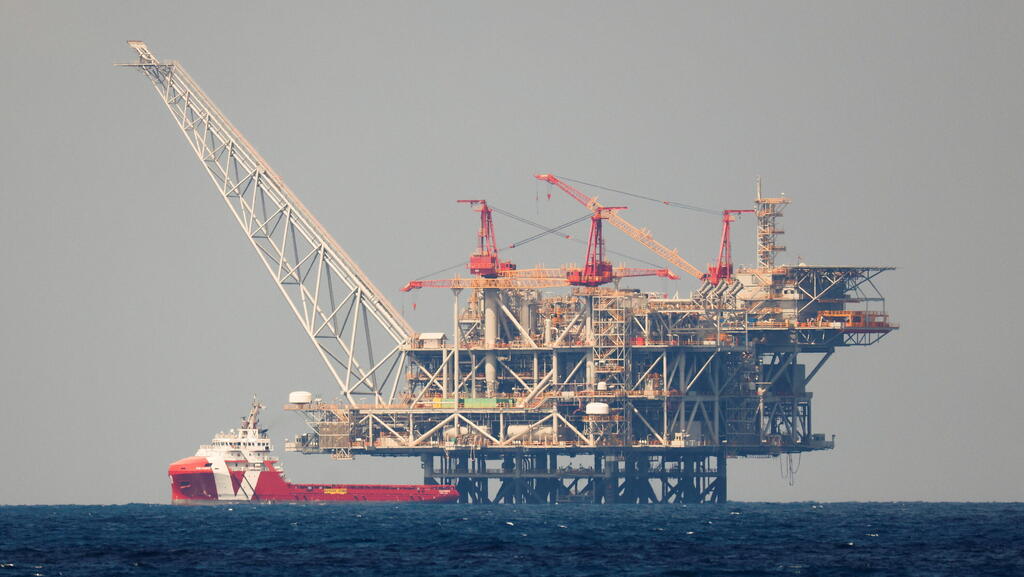
Israel Natural Gas Lines has completed construction of a subsea pipeline connecting Ashdod and Ashkelon, paving the way for the partners in the Leviathan natural gas reservoir, Chevron, NewMed Energy and Ratio, to increase exports to Egypt's Blue Ocean Energy. The expansion is part of a natural gas export agreement signed last summer, valued at approximately $35 billion over around 10 years.
The new pipeline is approximately 45 kilometers long and connects the Leviathan gas reception facility in Ashdod with the connection point to the EMG pipeline near Ashkelon, which transports gas onward to facilities in El-Arish, Egypt.
Completion of the project is expected to increase gas transmission capacity to Egypt by approximately 2 billion cubic meters (BCM) per year, from around 6.5 BCM currently to 8.5 BCM, an increase of roughly 30%. As a result, export capacity from the Leviathan reservoir to Egypt is expected to rise from approximately 4.7 BCM to 6.7 BCM annually, representing an increase of about 43%.
About six weeks ago, work was completed to expand production capacity at the Leviathan reservoir to 15.8 BCM per year through the connection of a third pipeline from the reservoir to the production platform.
NewMed Energy said that "all the conditions stipulated in the agreement to increase the amount of gas that the Leviathan partners are committed to supplying to Blue Ocean Energy have been met. The export quantities required for Egypt will increase by about 40% compared with the current level, in addition to additional quantities that will be sold on a spot basis."
According to NewMed Energy CEO Yossi Abu, "The completion of the Ashdod-Ashkelon transmission line project allows the largest export agreement in Israel's history to move forward. This was a significant bottleneck in transmission to Egypt, and its completion will enable us to substantially increase volumes while reducing transmission costs."
Abu added that the combination of higher production capacity at Leviathan and the new pipeline will allow the partnership to respond more effectively to rising demand both in Israel's domestic energy market and in export markets.
The construction of the Ashdod-Ashkelon pipeline cost approximately NIS 1 billion ($330 million) and was completed around four years behind schedule, following a series of delays, including those caused by the prolonged war in the Middle East.
At the same time, the Ministry of Energy announced earlier this week the launch of Israel's fifth offshore natural gas and oil exploration licensing round. The tender covers five exploration zones spanning approximately 7,600 square kilometers in Israel's economic waters.
The ministry had originally planned to launch the process in February, but the move was delayed due to the outbreak of the Second Iran War.



