










Chevron’s Leviathan reopening raises questions over U.S. role in Israel's energy decisions
Government cites security review, but industry points to broader geopolitical considerations.
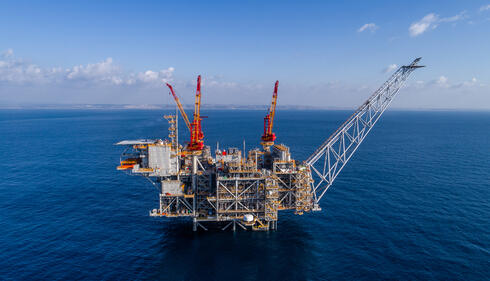
About five weeks after being shut down due to the war with Iran, the Leviathan natural gas platform has resumed operations. Leviathan is owned by the American Chevron partnership, NewMed, and Ratio, and the gas it produces is primarily exported, mainly to Egypt. Leviathan was shut down alongside Energian’s Karish platform at the start of the war, after the defense establishment determined that missile strikes on inactive platforms would be less damaging than strikes on active ones. The only platform that continued operating in recent weeks was Tamar, due to its relatively large distance from Lebanon. For now, only the Karish platform remains closed, pending a further decision.
The Ministry of Energy said on Thursday that the decision to resume operations at Leviathan was made “after assessing the situation and examining the relevant considerations.” It added that “the ministry is continuously monitoring developments and working together with all parties in the energy sector, as well as with the security forces, to enable a return to full operations in accordance with ongoing assessments.” The losses to gas companies from the shutdown of the platforms are estimated at around 300 million shekels per week. More than 70% of Israel’s energy mix relies on natural gas, and the shutdown has forced increased use of more expensive and polluting fuels.
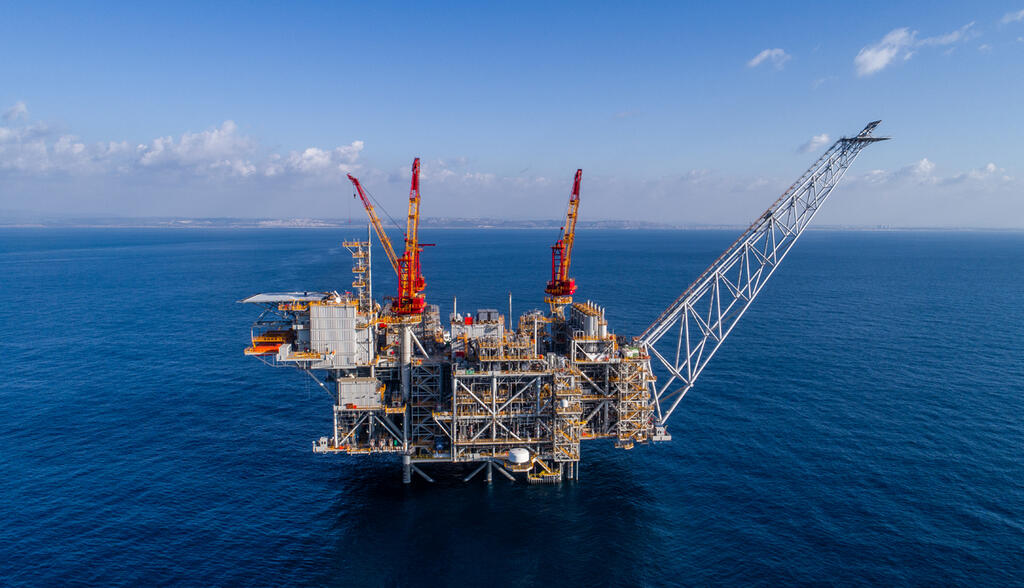
Leviathan supplies about 10% of Israel’s domestic needs, exporting the remainder to Egypt and Jordan. The halt in exports at the start of the war exposed both countries to significant energy shortages. The navy and the defense establishment had insisted on keeping the platforms shut down, despite pressure from the companies, and it remains unclear what change in the security situation, whether related to Hezbollah, Iran, or the broader threat environment, led to the decision to reopen Leviathan.
The defense establishment and the IDF have not disclosed their considerations. Within the energy sector, the continued shutdown of the Karish platform is attributed to its proximity to Lebanon and the greater security challenges it presents. However, it would not be surprising if external pressure, possibly from the United States, also played a role in the decision. This comes as Iran has, in recent weeks, intensified attempts to target Israeli energy infrastructure, seeking to create symmetry with Israeli air force strikes on its own oil and gas facilities.
Energian, the operator of the Karish platform, which remains offline, stated: “We welcome the return to operation of the Leviathan platform and the indication that the Ministry of Energy believes the level of risk allows this. However, the reasons for prioritizing Leviathan over the Karish platform have not been communicated to the company and remain unclear. The Karish platform, which supplies about half of Israel’s gas consumption, is the only national infrastructure asset that has remained shut down since the beginning of the war, in contradiction to the goal of maintaining economic continuity. The company believes that the continued halt in production is causing significant harm to the local economy and society. After more than a month of complete shutdown, the company expects the defense establishment and the Ministry of Energy to take immediate steps to enable the platform’s return to operation.”



