










The illusion of immunity ends for Qatar
Ras Laffan strike forces rethink of concentrated energy model.
The economic shock that Qatar is experiencing as a result of the current war with Iran is unlikely to lead to collapse. But it is already clear that recovery will depend, at least in part, on external support.
Until the end of February, Qatar appeared to be following a familiar trajectory: moderate but steady growth, gradual diversification beyond hydrocarbons, a high credit rating, and confidence that its combination of gas wealth, strong liquidity and careful diplomacy between Washington and Tehran would shield it from regional instability.
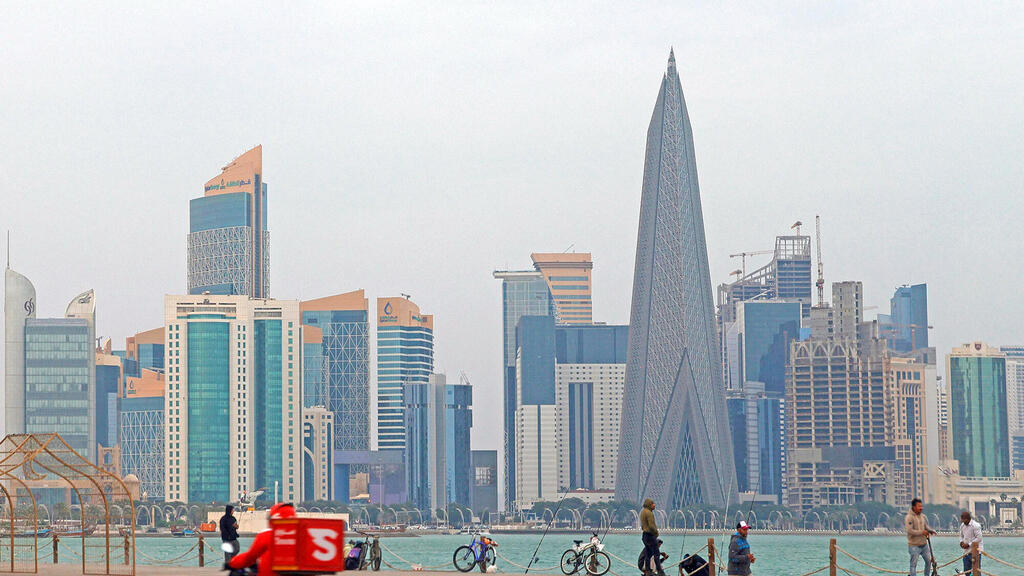
The Iranian attack on Ras Laffan has shaken that assumption. Qatar’s gas reserves remain intact, but damage to its production infrastructure has exposed the risks of concentrating the country’s economic engine in a single location. It has also undermined the belief that a small state can maintain open channels with all sides and remain insulated, even when conflict reaches its immediate vicinity.
To understand the scale of the disruption, it is necessary to consider the pre-war baseline. The International Monetary Fund reported in February that Qatar’s economy had grown by 2.4% in 2024, accelerated to around 3% in the first three quarters of 2025, and was expected to average roughly 4% in the medium term. Its forecast of 6.1% growth for 2026 now appears detached from reality.
While Qatar has emphasized that non-energy sectors account for roughly 65% of GDP, government revenues tell a different story. Of approximately $55 billion in projected 2025 revenues, about $42 billion derives from oil and gas. Despite diversification in output, fiscal dependence on hydrocarbons remains largely unchanged.
This imbalance lies at the heart of the current crisis. Gas is not simply a major industry; it underpins the state budget, international contracts, sovereign wealth investments and Qatar’s global influence. Even sectors presented as alternatives, tourism, aviation, finance and real estate, rely heavily on the stability created by gas revenues.
The damage to Ras Laffan, therefore, is not the loss of a single facility but a disruption at the center of the country’s economic architecture. Physical damage to one site has immediate macroeconomic consequences.
Qatar’s future strategy is deeply tied to expanding its liquefied natural gas capacity. QatarEnergy had planned to increase production from 77 million tons annually to 110 million tons, and eventually to 142 million tons by 2030.
Ras Laffan sits at the core of this expansion, hosting liquefaction trains, processing facilities, export terminals and supporting infrastructure. What was long considered a strategic advantage, highly efficient, centralized production, has now been exposed as a structural vulnerability.
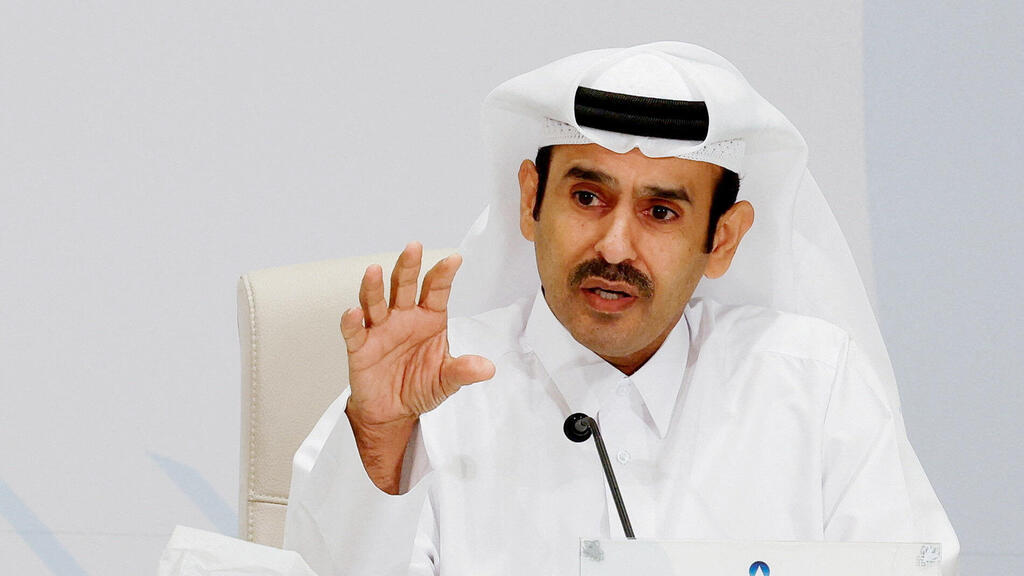
Recent data underscores the scale of the disruption. Energy Minister Saad al-Kaabi confirmed that a second wave of attacks caused extensive fires and damage to LNG facilities. Two production lines with a combined capacity of 12.8 million tons per year, about 17% of Qatar’s export capacity, were affected.
Repairs are expected to take three to five years. Annual losses could reach $20 billion, and Qatar may be forced to declare force majeure on long-term supply contracts with customers in Europe and Asia.
The implications go beyond immediate revenue losses. Until now, Qatar’s economic model rested on uninterrupted exports and rapid expansion. Within days, it shifted from a growth trajectory to damage control.
Short-term losses are significant, estimated at roughly $4 billion per month of disruption, but the deeper issue is long-term uncertainty. Questions now surround the expansion of the North Field, future demand, and whether buyers will seek alternative suppliers or demand greater flexibility.
Qatar’s reputation as one of the world’s most reliable energy exporters is also at stake. Its advantage over Iran, with which it shares the vast North/South Pars gas field, has long rested on its ability to monetize resources efficiently. While Iran faced sanctions and technological constraints, Qatar built a dominant global LNG industry.
That advantage has now become a vulnerability. Its highly developed infrastructure has made it both indispensable and exposed.
Despite the shock, Qatar’s economy is not at risk of collapse. The country entered the crisis with substantial financial buffers.
The central bank reported $72 billion in foreign exchange reserves and liquidity at the end of January. The sovereign wealth fund’s assets are estimated at $494 billion, roughly twice the country’s annual GDP. S&P Global Ratings has maintained Qatar’s AA rating with a stable outlook, citing a strong balance sheet and the capacity to support the financial system.
In other words, Qatar can absorb the immediate shock. The challenge lies in the sustainability of its economic model.
Other sectors will continue to function, but their limitations are now more evident. Tourism, for example, contributed $15 billion to GDP in 2024, about 8% of the economy. In the first half of 2025, the country recorded 2.6 million visitors, a 71% hotel occupancy rate and more than 5.2 million hotel nights.
These figures are solid, but they highlight the scale gap. Even a growing tourism sector cannot offset a disruption to gas exports, particularly when aviation and connectivity are themselves affected by regional instability.
The key question is not whether Qatar will emerge from the crisis, but how. The likely outcome is a more cautious and risk-aware economic strategy.
The Qatar Investment Authority has continued to invest globally, including new deals announced in early March. However, priorities are expected to shift toward domestic resilience, reconstruction, defense, redundancy in critical infrastructure and diversification of risk.
The broader lesson is clear. The assumption that efficiency and diplomatic balance could guarantee economic security has been challenged. Concentrating critical infrastructure in a single location is no longer seen as a strength.
Qatar will remain wealthy, liquid and strategically important. But it is likely to transition from a model focused on efficiency and expansion to one centered on resilience and risk management.
This is not the end of Qatar’s economic story. It is, however, the end of the assumption that its model is immune to disruption.



