










BiblioTech
CTech's Book Review: Mastering the art of leading teams in the digital age
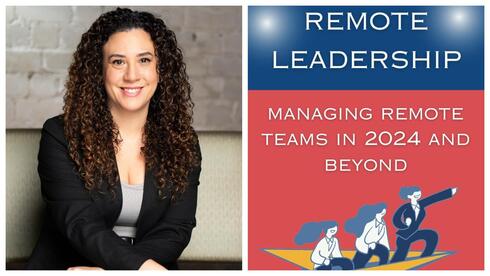
Rinat Buchholz, Founder and CEO of Global Teams, shares insights after reading “Remote Leadership: Managing Remote Teams in 2024 and Beyond” by Genevieve Velzian.
Rinat Buchholz is the Founder and CEO of Global Teams, an outsourcing and offshore consultancy that helps Israeli tech companies scale globally by hiring and managing outstaffed teams abroad. She has joined CTech to share a review of “Remote Leadership: Managing Remote Teams in 2024 and Beyond” by Genevieve Velzian
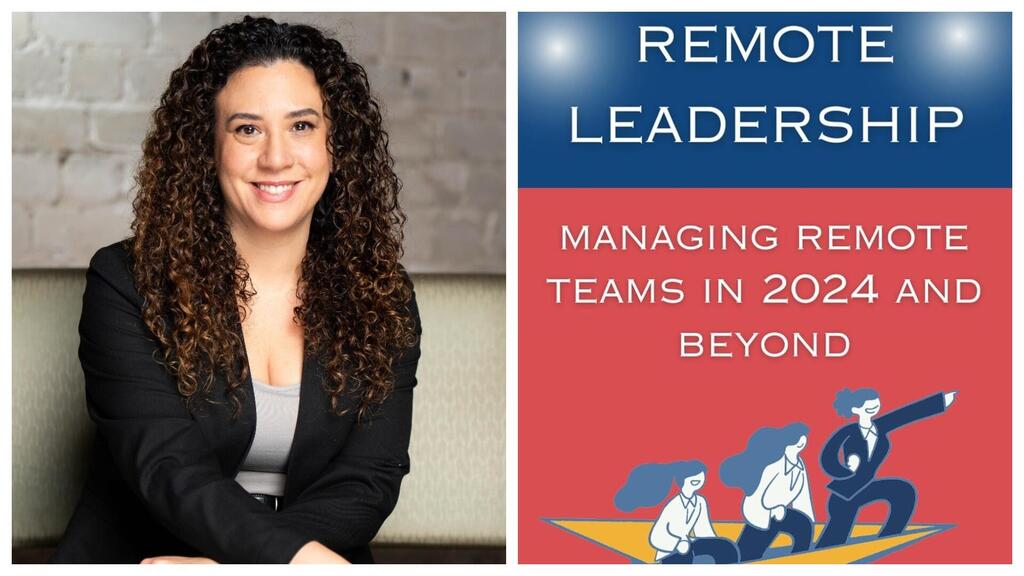
Title: Remote Leadership: Managing Remote Teams in 2024 and Beyond
Author: Genevieve Velzian
Format: eBook
Where: Home
Summary:
The book provides a comprehensive and timely exploration of what it means to lead teams that are distributed across different geographies, time zones, and cultures. The book blends practical strategies with thoughtful analysis, offering managers a clear roadmap for building cohesive work environments in the digital age. It explains how to establish trust, maintain effective communication, and drive strong performance when physical proximity is no longer part of the managerial toolkit.
By presenting real world scenarios and well structured frameworks, the book equips leaders with the tools needed to navigate remote work environments while sustaining team engagement and productivity. It further examines the human aspects of leadership, placing emphasis on empathy, clarity, and emotional intelligence. Overall, the book offers a broad yet grounded perspective on how remote teams can thrive.
Important Themes:
A central theme in the book is the large-scale shift toward remote and hybrid work models and the significant influence this shift has on managerial responsibilities. The book highlights the importance of intentional communication and shows how leaders must adopt structured yet flexible communication frameworks to ensure alignment across global teams. Another major theme is the construction of trust within environments where traditional managerial visibility no longer exists. The book explains how consistency, transparency, and well defined expectations serve as substitutes for physical oversight.
Cultural intelligence is also presented as a critical leadership skill. The book dedicates considerable attention to navigating cultural nuances, managing language differences, and fostering inclusivity within multinational teams. Alongside these interpersonal aspects, the book addresses performance management, focusing on measurable outcomes, clarity of goals, and systems that support autonomous work while maintaining accountability.
Technology is another recurring theme, not only as a tool for operational efficiency but as a foundation for modern leadership. The book discusses digital collaboration platforms, security considerations, and the integration of artificial intelligence in decision making. It also explores the challenges and opportunities created by asynchronous work structures, particularly for teams spread across continents.
Finally, the book looks toward the future, presenting insights into emerging workforce trends and the evolving nature of global teamwork. It encourages leaders to adopt adaptive, human centered approaches that combine innovation with emotional awareness.
What I’ve Learned:
The book broadened my understanding of what effective leadership looks like in globally distributed organizations. As the CEO of a company that provides outstaffing solutions for technology firms, I connected strongly with the book’s emphasis on creating structure without restricting flexibility. It reinforced the idea that strong leadership in remote environments is rooted in clarity, consistency, and respect for the diverse circumstances in which employees operate.
I connected deeply with the discussion on empathy and emotional intelligence. The book frames these qualities not as soft attributes but as strategic capabilities that enable leaders to build genuine relationships and maintain cohesion across dispersed teams. The emphasis on recognizing individual needs, adapting communication styles, and sustaining psychological safety echoed many of the practices I consider essential when managing multicultural groups.
The chapters on managing time zone differences and implementing asynchronous workflows resonated with my daily experience. They offer pragmatic methods for enabling teams to work efficiently across borders while minimizing friction. The book also encouraged a broader view of technology, positioning digital tools and artificial intelligence as enhancers of managerial effectiveness rather than replacements for human judgment.
Overall, I found that the book strengthens the understanding that remote leadership requires a delicate blend of operational precision, cultural sensitivity, and human connection.
Critiques:
The book is extensive and at times dense, which may be challenging for readers searching for a concise, highly focused guide. Several examples are oriented toward very large global enterprises, which means some readers will need to adapt the models to suit smaller or more agile organizations.
In addition, certain recommendations are presented at a conceptual level and may require practical interpretation before implementation. Despite these limitations, the book remains highly valuable due to its balanced integration of strategy, psychology, and technology.
Who Should Read This Book:
This book is recommended for executives, senior managers, HR leaders, and technology professionals responsible for guiding global or hybrid teams. It is particularly useful for organizations that rely on remote talent, distributed development, or outstaffing models, where coordinated communication, cultural alignment, and performance clarity are essential for success.
Readers seeking to enhance their leadership effectiveness, improve cross border collaboration, and adopt future ready management practices will gain meaningful insights. The book offers a practical yet forward looking perspective that will benefit anyone committed to leading high performing remote teams in the evolving global workplace.



