










Aryt’s U.S. expansion runs into legal disputes over Georgia manufacturing site
The Israeli defense company says the disputes will not delay plans for a new fuze plant, while a tenant seeks to preserve its lease through 2029.
Aryt Industries has emerged as one of the standout performers on the Tel Aviv Stock Exchange over the past three years, with the United States increasingly central to its plans for future growth. But its push to establish a manufacturing base in the U.S. is now facing legal complications involving a property it acquired in Georgia.
Aryt operates primarily through its subsidiary Reshef Technologies, which it owns 77.6%. Reshef develops and manufactures electronic fuzes for the defense industry.
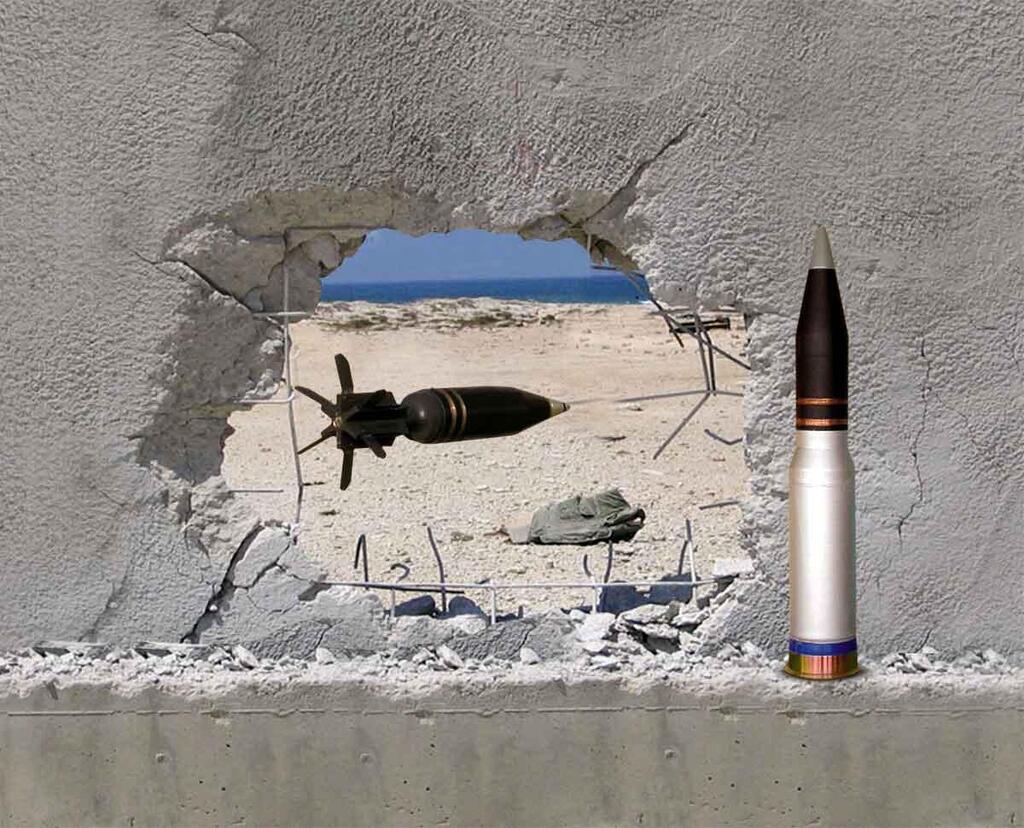
In 2025, Reshef established a U.S. subsidiary, Flash Fuzes USA, as part of a plan to establish a local manufacturing facility for fuzes. In July, the U.S. subsidiary, through controlled special-purpose entities, acquired an 882-dunam, or roughly 218-acre, property in Georgia for $2 million.
The property includes both undeveloped land intended for a new manufacturing plant and an existing industrial facility where pyrotechnic products for the defense market are already being manufactured.
The existing facility is operated by Pyrotechnic Specialties (PSI), which leases the property from its previous owner. PSI is now involved in a legal dispute with Aryt over the terms of that lease.
According to PSI, an agreement signed in 2025 extended its lease through June 2029. The company is seeking an injunction preventing interference with its operations while the validity of the lease is determined.
A separate dispute concerns a promissory note connected to the property transaction. As part of its acquisition of the site, an Aryt group company purchased rights to a promissory note issued by PSI for approximately $1 million.
The parties disagree over the repayment of the note and the rights to PSI shares held in escrow. One side maintains that a payment of approximately $1.44 million made in July settled the debt, while the Aryt group company disputes the claims. The matter remains unresolved.
The legal disputes come as Aryt seeks to transform Reshef into a more international business. Aryt CEO Haim Stapler has previously said the company plans to establish manufacturing operations in the United States, Europe and India, with the bulk of Reshef's operations eventually located outside Israel.
In 2025, approximately 60% of Aryt's sales were generated outside Israel.
Aryt's 2025 legal disputes report also highlighted the potential significance of the existing industrial activity on the Georgia property. The company wrote that, “to the best of the company's knowledge, and based on advice received, the existence of ongoing industrial activity of a similar nature on part of the property may facilitate the company's efforts to obtain some of the permits and approvals required for establishing a US manufacturing plant at the site.”
At the time, Aryt said it was still evaluating options for construction and had not yet begun the process of obtaining building permits.
The company had forecast receiving a U.S. manufacturing license in the second quarter of 2026, but that target was not achieved.
Aryt's shares have lost roughly half their value over the past 12 months, giving the company a market capitalization of around NIS 1.7 billion. Despite the recent decline, the stock is still up roughly 970% over the past three years. The company is controlled by Chairman Zvi Levy.
Aryt rejects any connection between the Georgia litigation and its U.S. expansion plans.
“The US legal proceeding concerns declaratory relief unrelated to the company's operations. There is no connection between the dispute with a tenant at the property and any alleged impairment or delay regarding Aryt's US expansion plans; any attempt to link the two is baseless,” the company said.
Aryt said the property consists of a plot containing the industrial facility leased to a third party and an adjacent vacant plot. According to the company, there is no reason the dispute should delay construction of a new plant on the vacant portion of the property.
Aryt also said the acquisition price of approximately $2 million represented around 0.5% of its equity and was therefore not material to the company, although it was disclosed in its reports.
Regarding the promissory note, the company said the claims against it were baseless and that approximately $1.44 million had been deposited with the court.
The company said it remains committed to expanding its operations internationally.



