







Jensen Huang says he would return as Nvidia CEO if board asks him to
In his first public statement since stepping down, the Nvidia co-founder acknowledged making serious mistakes in his personal life and apologized for creating problems for the board. He said he would be honored to return if directors decide it is in the company's best interests.
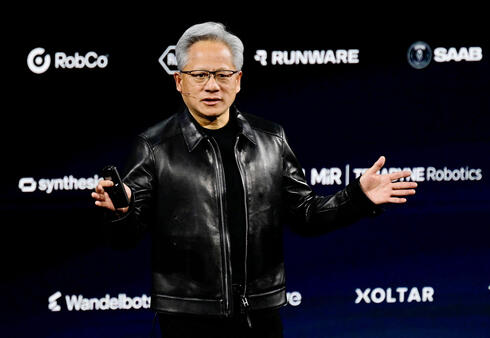
Jensen Huang has said he would be willing to return as Nvidia CEO if the company's board decides his reinstatement would be in the best interests of the company, its shareholders and employees. In his first public statement since resigning last week, the Nvidia co-founder acknowledged making serious mistakes in his personal life, expressed regret over the problems he had caused the board, and pledged to cooperate with its independent investigation.
"I did not live up to the standards expected of everyone at NVIDIA, and I have made serious mistakes in my personal life. I created problems for the Board that I deeply regret," Huang wrote. "I own my mistakes completely, and I am committed to cooperating with the Board's independent investigation."
Huang also addressed growing calls for his return, saying he had received messages from Nvidia employees, investors, business partners and customers urging him to resume the company's leadership. "If the Board of Directors decides that my return is in the best interest of our shareholders, our employees, the company, and America, I would be honored to answer these calls and return as CEO," he said.
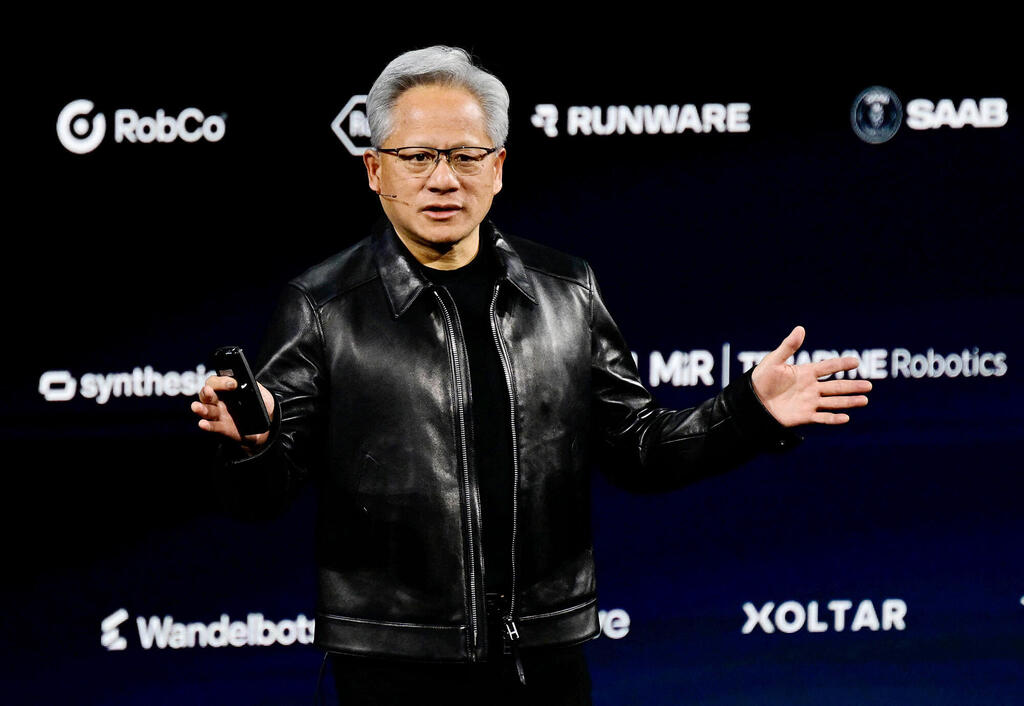
His statement comes amid a public campaign to reverse his departure. More than 180,000 people had signed a petition calling for his return by Monday, with support from prominent technology executives including Elon Musk, Replit CEO Amjad Masad and Epic Games CEO Tim Sweeney. Thousands of people identifying themselves as Nvidia employees also joined the campaign, although those affiliations have not been independently verified. U.S. President Donald Trump has also said he would not object to Huang returning.
The support has not, however, translated into any reported change in the board's position. Reuters reported on Monday, citing three people familiar with the matter, that Nvidia's board was not considering bringing Huang back. The company had announced his resignation on November 12, appointed Chief Financial Officer Colette Kress as interim CEO, and said it would begin searching for a permanent successor.
Huang's departure followed reports about two alleged extramarital relationships and questions over possible national security implications. He previously acknowledged being unfaithful to his wife in a message to Nvidia employees, apologizing to his family and colleagues. One of the reported relationships involved Chinese businesswoman Alice Huang, whom U.S. intelligence officials reportedly suspected of having links to China's intelligence services. A separate report described an alleged relationship with a senior Nvidia executive who reportedly worked directly under him. The allegations surrounding the potential intelligence connection have not been established as fact.
Nvidia's board launched an independent investigation after reports that Huang may have been targeted as part of a foreign intelligence effort. The board said at the time that it had no reason to believe that national security or company secrets had been compromised, but that its inquiry would examine all available information. Huang has now reiterated his commitment to cooperating with the investigation.
Beyond the controversy, Huang's statement sought to reaffirm his personal connection to the United States and the company he built. He said he had arrived in the country 53 years ago and described becoming an American citizen as one of the proudest moments of his life. "NVIDIA has been my life's work," he wrote. "Building it into the company it is today alongside my colleagues has been a privilege and an honor. Nowhere but in America could a company like NVIDIA be possible."
Huang co-founded Nvidia in 1993 and spent 33 years leading its transformation from a graphics-chip maker into the central supplier of processors powering the global AI industry. His departure marked a major leadership change for a company whose strategy, public profile and relationships across the technology sector have been closely associated with him. He also left his seat on the board and holds approximately 3.6% of Nvidia's shares.
Huang ended his statement by thanking those who had supported him and his family over the past week. "I am profoundly humbled by your support," he wrote. "To my family: I love you, and I will spend the rest of my life being worthy of yours."



