








Musk warns Nvidia could lose critical supply deals without Jensen Huang: “Many were a handshake”
Responding to a CNBC interview, Elon Musk said many of Nvidia's most important supply-chain arrangements depended on personal trust in its former CEO. Analyst Dylan Patel warned that Google is already seeking capacity from suppliers Huang had persuaded to prioritize Nvidia.
Elon Musk has warned that Nvidia could lose some of its most important supply-chain relationships following Jensen Huang's departure, suggesting that the company's ability to secure critical components depended not only on contracts but also on the personal trust its longtime CEO built with suppliers.
Musk made the comments on X on Saturday, responding to a CNBC interview with Dylan Patel, founder and chief analyst of semiconductor research firm SemiAnalysis. Patel argued that Huang personally persuaded even relatively small suppliers to dedicate much of their production capacity to Nvidia, giving the chipmaker an advantage that may now be vulnerable.
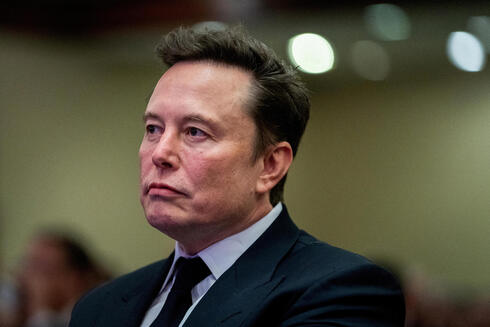
"Jensen drove supply chain brilliantly at Nvidia, but many of those deals were a handshake with Jensen, not a written contract," Musk wrote. "Without Jensen, at least some of those critical deals will be lost."
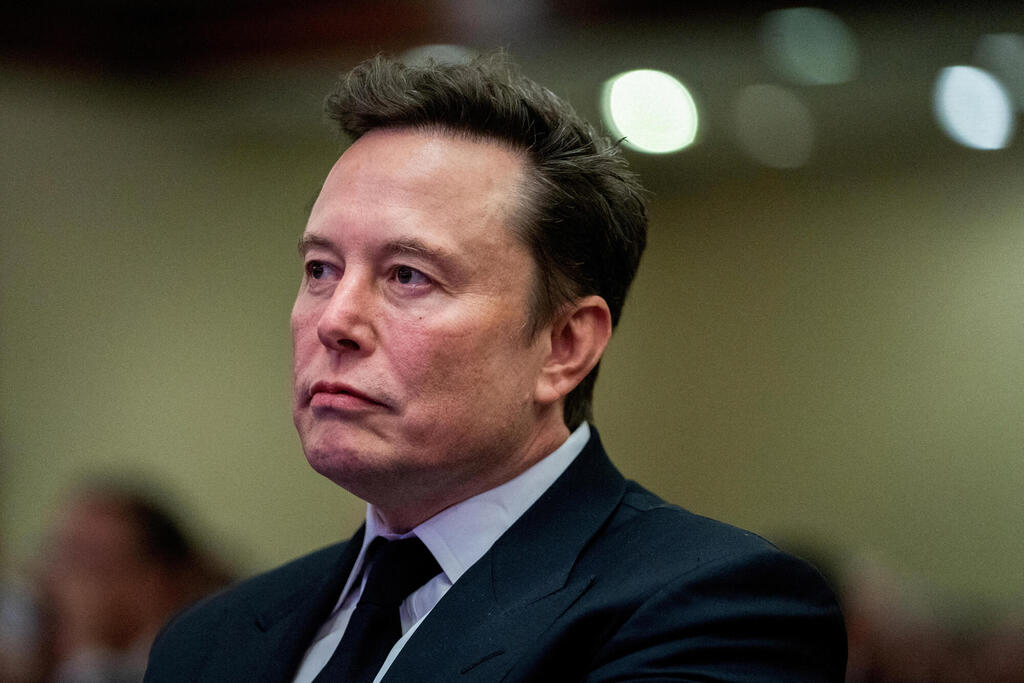
Musk then offered his own experience working with Huang, saying that the Nvidia chief consistently delivered when he promised computing capacity or agreed to accelerate component shipments.
"If Jensen gave me his word about compute delivery or I asked for components to be accelerated, he always came through," Musk wrote. "Sure, we'd put together a purchase order at some point later, but I never for a second thought it wouldn't happen."
The comments echoed Patel's argument on CNBC that Huang's influence extended far beyond Nvidia's largest suppliers. According to Patel, the CEO personally approached executives at smaller companies, some generating only a few hundred million dollars in annual revenue, whose specialized components were nevertheless essential to Nvidia's supply chain.
"Jensen had complete foresight and understood the demand required and went to all of these executives, even of tiny companies where they only generate a few hundred million dollars of revenue but they have an important subcomponent," Patel said.
"He convinced them to let him buy the supply and build it all out," he added.
Patel suggested that Huang's departure could now give Nvidia's competitors an opportunity to secure capacity that had previously been committed to the chipmaker. "And now with Jensen gone, these companies are looking around the market and it's like, well, Google's begging for more capacity from the whole supply chain," he said.
That could become a significant problem for Nvidia. The company's dominance in AI processors is not based solely on chip design. It also depends on its ability to secure enormous quantities of advanced components, manufacturing capacity and other hardware needed to assemble the systems that power AI data centers. Access to those resources has become increasingly important as demand for computing capacity continues to outstrip supply.
Patel also questioned how much of Nvidia's technological advantage it can preserve if its competitors gain better access to the same suppliers. He argued that the company may be only about a year ahead of its biggest rivals, a gap that is not necessarily insurmountable if competitors can obtain the components needed to scale their own systems.
Huang resigned as Nvidia's CEO, president and a member of its board on Thursday, ending a 33-year tenure at the company he co-founded. Chief Financial Officer Colette Kress has taken over as interim CEO while the board searches for a permanent successor. Nvidia's board has said it expects the company's operations, customer commitments and product roadmap to continue without interruption.