










BiblioTech
CTech’s Book Review: Avoid being swayed by market hysteria
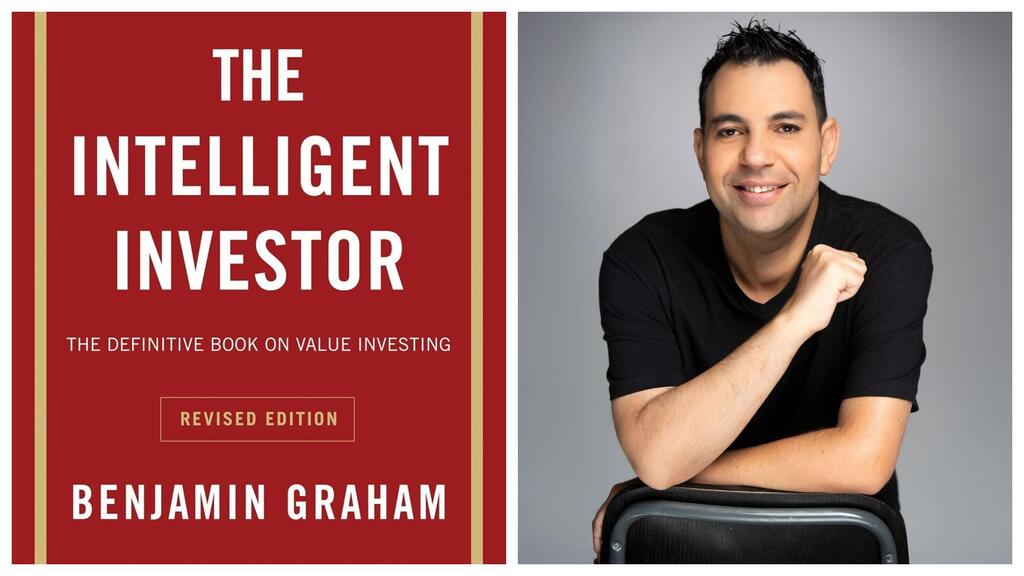
Uzi Baruch, managing partner at RealNumbers, shares insights after reading "The Intelligent Investor" by Benjamin Graham.
Uzi Baruch is the managing partner at RealNumbers, a financial consulting firm for tech startups. He has joined CTech to share a review of "The Intelligent Investor" by Benjamin Graham.
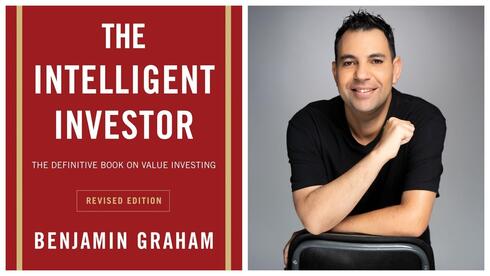
Title: The Intelligent Investor
Author: Benjamin Graham
Format: Book
Where: Home
Summary:
"The Intelligent Investor" is widely considered the definitive book on value investing. Written by Benjamin Graham, Warren Buffett's mentor, the book introduces the concept of "Mr. Market" – a metaphor for market mood swings – and emphasizes the importance of distinguishing between investment and speculation. Graham's core philosophy centers on buying assets below their intrinsic value and maintaining a margin of safety. While originally published decades ago, updated editions include commentary applying Graham's principles to modern markets, including technology stocks and contemporary financial instruments. The book teaches readers to think independently, analyze fundamentally, and avoid being swayed by market hysteria.
Graham's approach is both philosophical and practical. He doesn't promise quick riches or market-beating returns through clever timing. Instead, he offers a framework for thinking about investment that protects against major losses while allowing for steady, sustainable gains. The book distinguishes between defensive investors (who want to minimize effort and risk) and enterprising investors (willing to devote time and care to their selections), providing strategies for both. What makes the book timeless is that Graham focuses on principles rather than tactics – understanding business fundamentals, maintaining emotional discipline, and always demanding a margin of safety.
Important Themes:
1. Margin of safety: Graham's most important principle is buying securities at a significant discount to their intrinsic value. This creates a cushion against errors in judgment or unforeseen events – particularly crucial when evaluating high-growth tech companies with volatile valuations. In the startup world, this translates to understanding a company's fundamental value beyond its pitch deck and market hype. When a company's valuation is based purely on future growth assumptions without regard to current fundamentals, there's no margin of safety if those assumptions prove optimistic.
2. Investment vs. speculation: The book draws a clear line between investing (buying based on thorough analysis with expectation of adequate return) and speculation (buying based on market timing or trends). This distinction is vital in today's startup and venture capital ecosystem. Graham argues that speculation isn't inherently wrong, but you must know when you're speculating and not confuse it with investing. Many people think they're investing when they're actually speculating on narratives, market momentum, or founder charisma.
3. Emotional discipline: Graham emphasizes that successful investing requires controlling emotional responses to market fluctuations. The ability to remain rational when others are fearful or greedy separates intelligent investors from the crowd. His "Mr. Market" metaphor – imagining the market as a manic-depressive business partner who offers to buy or sell at different prices each day – helps investors maintain perspective. You should take advantage of Mr. Market's mood swings, not be controlled by them. This is particularly relevant in tech, where valuations can swing wildly based on trends, news cycles, and investor sentiment.
What I’ve Learned:
The principles in this book remain remarkably relevant to today's startup and technology world. When working with clients – whether they're fintech startups, mobility companies, or established tech firms seeking funding – I apply Graham's emphasis on fundamental analysis and intrinsic value.
One of the most valuable lessons I've applied is Graham's concept of distinguishing between price and value. In my work with tech companies preparing for fundraising or M&A, I often see founders fixated on achieving the highest valuation possible. But Graham teaches us that price is what you pay, value is what you get. This perspective helps me counsel clients on structuring deals that reflect genuine business fundamentals rather than market euphoria.
Similarly, when advising companies on their own investment decisions or acquisitions, Graham's margin of safety principle ensures they're not overpaying during boom times or missing opportunities during market downturns.
Critiques:
Some of Graham's specific techniques were designed for a different era and require adaptation for today's technology sector. The book focuses heavily on traditional equities and may feel conservative to those immersed in venture capital. However, the underlying philosophy remains invaluable, especially when updated editions provide modern context. Critics sometimes argue that Graham's approach is too conservative for high-growth tech investing, but I've found that his principles become even more important, not less, when dealing with companies that have high uncertainty and long paths to profitability.
Who Should Read This Book:
This book is essential reading for anyone involved in tech finance: venture capitalists evaluating startups, CFOs of technology companies, founders preparing for fundraising, and financial professionals advising tech firms. It's particularly valuable for those in fintech and anyone bridging the worlds of technology and finance, as it provides a framework for separating genuine opportunity from speculation. Whether you're raising capital, deploying it, or advising others on financial strategy, Graham's principles will help you make better decisions and avoid costly mistakes. In a world of rapid change and constant innovation, having a solid foundation in investment principles is more important than ever.



