










“There is no better solution for Zim than the one we created”
FIMI’s Ishay Davidi says the planned restructuring will create a debt-free, fully Israeli-controlled shipping company.
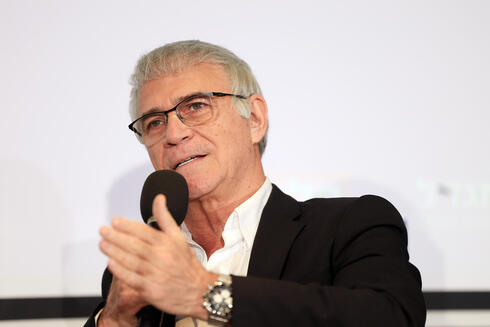
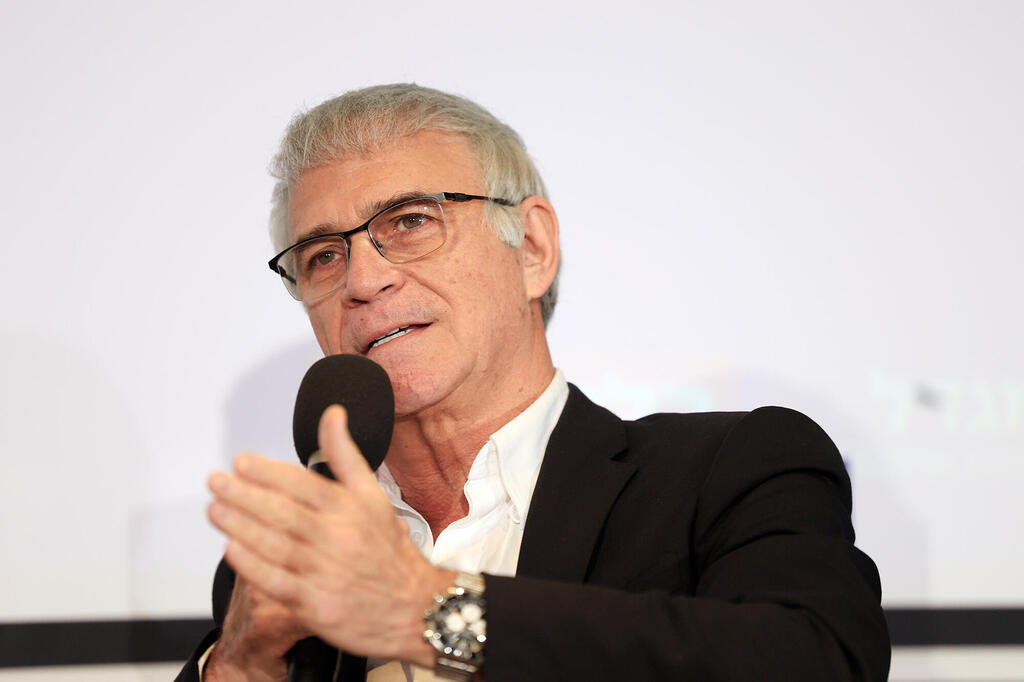
FIMI founder and CEO Ishay Davidi said that the planned Zim transaction is “already complete from a business perspective,” but still awaits state approval, while arguing that the deal will create a fundamentally stronger shipping company with Israeli control and no debt.
Speaking at the Calcalist and Migdal Financial Future Conference, Davidi said the transaction involves four parties, Zim, the Israeli government, the German acquiring company Hapag-Lloyd, and FIMI, and has already been approved by boards of directors, shareholders, and relevant business entities.
However, he noted that the deal still requires state approval due to the government’s “golden share.” Davidi described the mechanism humorously, saying that “the gold share has two properties: it is not a share and it is not gold,” and explained that it consists of clauses allowing the state to use 11 of the company’s ships in emergencies and requiring approval for any holding above 24% of the company’s shares.
Davidi said the structure of the transaction would address structural issues at Zim and reshape its financial position. According to him, the “new Zim” will be fully Israeli, free of foreign investors, and debt-free, with safeguards designed to prevent a hostile takeover.
He contrasted the proposed structure with the current company, saying that “the current Zim lost $86 million in the last quarter, a loss that FIMI’s entire portfolio of companies has not accumulated in 30 years, and it has already undergone three debt arrangements, while the new Zim is starting its life free of any debt.”
Davidi added that the new regulatory framework ensures Israeli control and state approval for any substantial changes, eliminating concerns about external influence. “We want to do good business for us and the State of Israel, and there is no perfect solution that would be better than the solution we created,” he said.
He said the new Zim, which FIMI will own, is expected to generate annual revenues of $650-700 million and EBITDA of about $100 million. He also noted that agreements with German shipping company Hapag-Lloyd, Zim’s purchaser together with FIMI, would ensure a 95% utilization rate for the company’s fleet over the next 10 years.
“The new Zim will be super interesting and super strong and super profitable in the next 10 years,” Davidi said, adding that he is confident the state will ultimately approve the deal.
Davidi also sharply criticized the Bank of Israel’s monetary policy and argued that the governor is acting too slowly given the current economic situation. Davidi said that the high interest rate environment is harming investment and reducing the competitiveness of the Israeli economy, particularly against the backdrop of pressure on exporters resulting from the sharp strengthening of the shekel against the dollar and the euro. According to him, “The governor is acting too slowly and too little, and he needs to act now. There is no reason to keep the interest rate at its current level. The current situation is keeping me awake at night.”
Davidi added that the damage from high interest rates is not only theoretical but is already influencing exporters’ decisions regarding investment. “In our companies at FIMI, we invest $250 million each year in technological development and capital expenditure. In the current environment, because of exchange rates, I am not sure all exporters will continue to do so when they have cheaper alternatives abroad.”
At the same time, Davidi addressed the broader economic situation. According to him, Israel entered the war that began on October 7, 2023, with a strong economy, but over the past two and a half years, enormous sums have been invested in the campaign, and the economy will need in the future to deal with the fiscal and economic consequences of this period. He said the next government will need to build a long-term plan that includes investment in transportation, infrastructure, and projects that will strengthen the economy for years to come. He expressed optimism about Israel’s future growth, saying: “I believe and hope that the country is capable of this. FIMI and I look at Israel as a long-term investment.”
First published: 13:29, 18.06.26



