











Malaysia bars civil servants from Waze over Israeli security concerns
The ban takes immediate effect following Prime Minister Anwar Ibrahim’s concerns over data security and Waze’s Israeli legal ties.
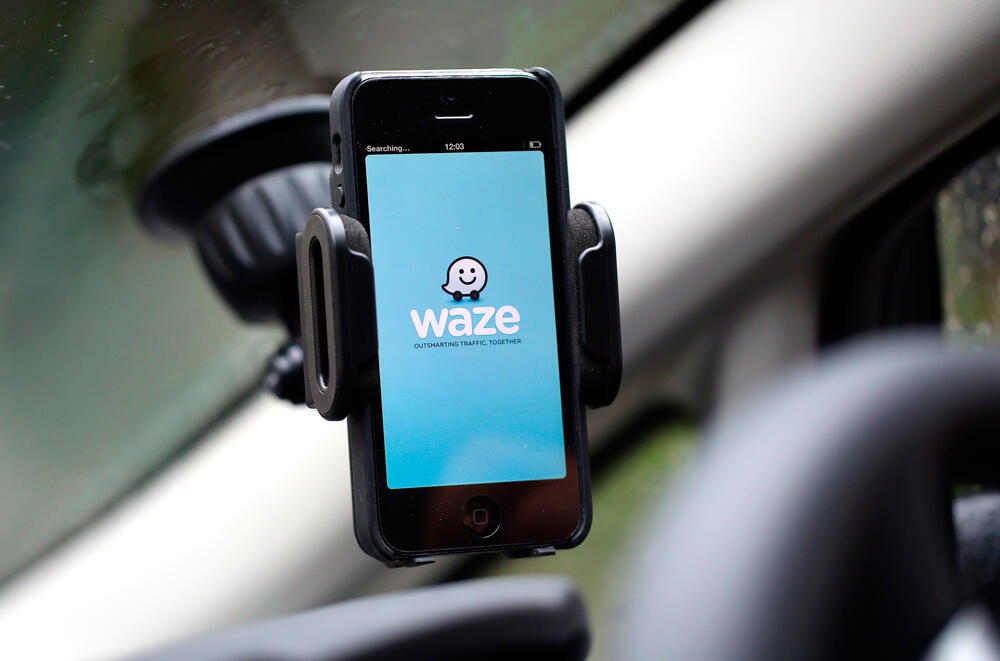
Malaysia has ordered government employees to stop using Waze, the navigation app founded in Israel and now owned by Google, citing concerns over the security of users’ personal information and movement data.
The immediate prohibition, announced following a cybersecurity committee meeting chaired by Prime Minister Anwar Ibrahim, comes as the government encourages the use of a homegrown alternative, TuJu, developed by the Malaysian Highway Authority.
Anwar raised concerns about Waze’s legal ties to Israel, saying the app “was bound to Israeli laws.” In a Facebook post on Tuesday, he said the government could not compromise on data security.
“We cannot compromise on the security of people's data and identities,” he wrote.
The prime minister did not identify a specific security vulnerability or provide evidence that Waze had exposed Malaysian users’ information. The government’s concerns center on the app’s Israeli origins and the laws under which it operates.
Malaysia’s Chief Secretary to the Government, Shamsul Azri Abu Bakar, formalized the ban in a letter dated Tuesday and addressed to heads of government agencies. The directive followed the committee meeting and took effect immediately, according to the letter reviewed by Reuters. An official with the Prime Minister’s Department confirmed its authenticity.
The Muslim-majority country does not maintain diplomatic relations with Israel.
Waze was developed in Israel and built its navigation service around satellite positioning and crowdsourced reports from drivers, providing real-time traffic information and route guidance. Google acquired the company in 2013 for about $1 billion.
Despite the acquisition, Malaysian authorities have focused on the app’s Israeli legal ties. Anwar has encouraged the use of TuJu as an alternative, positioning the local service as a way to reduce concerns about the handling of location and personal data.



