










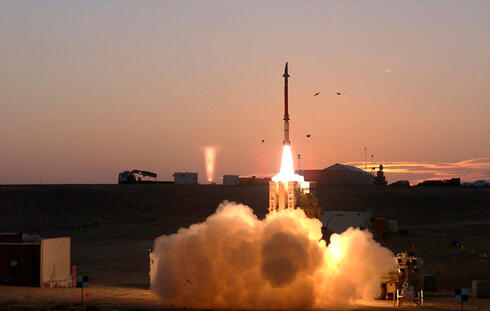
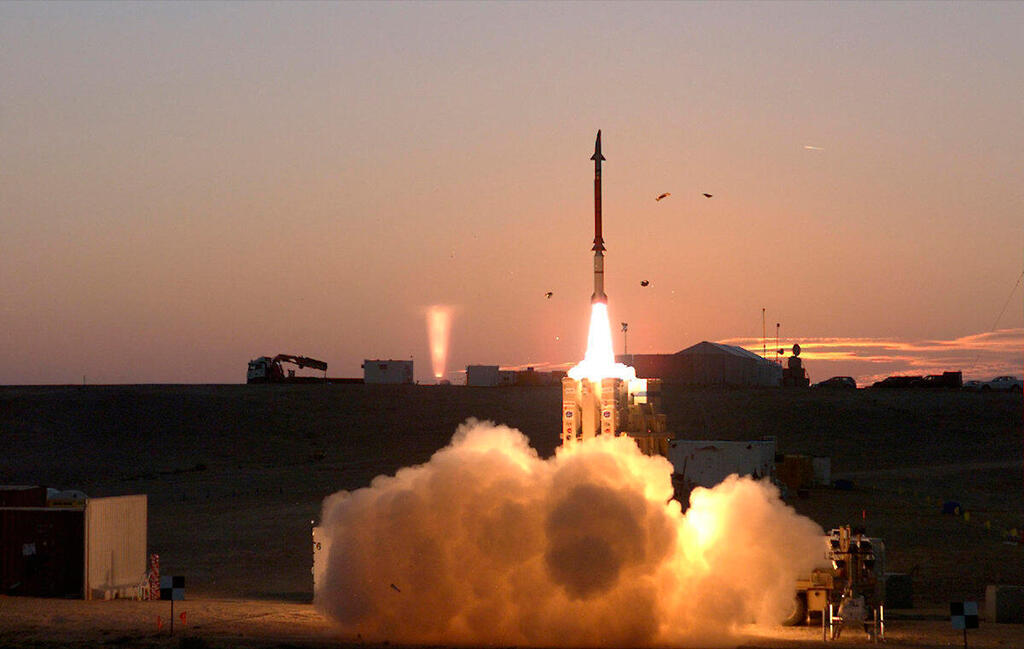
Greece approves $4 billion Israeli air defense deal for David’s Sling, Barak MX and drone systems
Athens will build the “Achilles Shield” network with Rafael and IAI technology as it accelerates a $32 billion military modernization program focused on missiles, aircraft and drones.
Greece has approved a major procurement package worth up to €3.5 billion ($4 billion) to build a multilayer air defense network based on Israeli technology, while also purchasing drones and military transport aircraft as part of a broader effort to modernize its armed forces.
The country’s security council, KYSEA, approved the procurement contracts on Thursday, Greek Defense Minister Nikos Dendias told reporters. The centerpiece of the package is the “Achilles Shield” system, which will combine Israeli-made radars and missile systems from Rafael Advanced Defense Systems and Israel Aerospace Industries (IAI) to provide protection against ballistic missiles, aircraft and drones.
“It will be ready and fully operational within 35 months, starting from today,” Dendias said, adding that Greek companies will manufacture at least 25% of the system.
The deal represents one of Israel’s largest defense exports to Europe and further strengthens the growing military relationship between Jerusalem and Athens. Israel’s defense companies have increasingly expanded their presence in Greece in recent years, with Athens relying on Israeli technology as it upgrades its military capabilities amid long-running tensions with neighboring Turkey.
The Achilles Shield program is expected to include Rafael’s David’s Sling and SPYDER air defense systems, IAI’s Barak MX air and missile defense system, and radar technology from IAI’s ELTA Systems division.
Greece currently relies on U.S.-made Patriot systems and older Russian S-300 missile systems to defend its airspace. Under a broader modernization plan, Athens aims to spend approximately €28 billion ($32 billion) through 2036 on new military capabilities, including up to 40 F-35 fighter jets from the United States and new frigates from France and Italy.
Beyond the Israeli air defense agreement, Dendias said KYSEA also approved additional purchases, including three C-390 military transport aircraft from Brazil’s Embraer, 10 British-built VICTA mini-submarines for special operations, U.S.-made V-BAT unmanned aerial vehicles, and Heron drones from Israel.
Greece spends nearly 3.5% of its gross domestic product on defense, among the highest levels in NATO, largely due to its decades-long rivalry with Turkey. The two countries remain at odds over issues including maritime boundaries and energy resources in the eastern Mediterranean.
The procurement deepens an already close defense partnership between Greece and Israel. The countries operate a joint air training center in Greece, conduct annual military exercises, and cooperate on areas including anti-drone systems and cybersecurity.
Last year, Athens purchased 36 Israeli-made PULS rocket artillery systems in a deal worth approximately €650 million ($740 million), further expanding Israel’s role as one of Greece’s fastest-growing defense suppliers.



