










"We don't know what we're doing": Tech leaders debunk the biggest myths about their industries
From AI-driven layoffs and cybersecurity to climate tech and healthcare, founders and executives across Israel's tech ecosystem challenge the assumptions that dominate headlines, and explain what they believe is really happening.
AI is killing human jobs. Climate scientists are granola-eating idealists. “We know what we’re doing.” Software engineering is getting easier thanks to AI.
These are just some of the narratives dominating headlines and social feeds lately. They’re catchy and repeatable, but industry insiders believe they're often misleading.
According to the people building, deploying, and living these technologies every day, there’s a significant gap between these popular “truths” and reality.
To challenge a few of these misconceptions - and maybe puncture some well-worn myths - we turned to industry leaders across Israel’s tech ecosystem and asked a simple question: What's the biggest misconception people have about your industry?
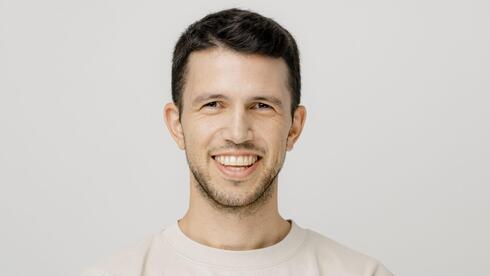
Rylo
Tomer Aharoni, co-Founder and CEO of Rylo
Industry: AI (Text-to-speech)
The biggest misconception about the hearing loss industry is that it's niche.
More than 1 billion people worldwide are deaf or hard of hearing. That's more than the number of software engineers, runners, and parents of young children combined. Yet much of the world’s communication remains inaccessible. Accessibility isn't a niche market. It's one of the largest underserved markets in the world, with enormous purchasing power that many technology companies and investors still underestimate.

Aryon Security
Ariel Litmanovich, co-founder and CTO of Aryon Security
Industry: Cybersecurity
One of the biggest misconceptions in cybersecurity is that seeing a problem means you’re protected.
Think about your house: cameras that alert you when a burglar is already inside are useful, but a strong lock on the door prevents the break-in from happening in the first place. For years, cybersecurity has focused on identifying risks after they already exist: misconfigurations, excessive permissions, exposed resources, and compliance gaps.
But most security teams are already overwhelmed by more alerts than they can realistically manage. Visibility matters, but the next step for the industry is prevention: ensuring risky changes never happen in the first place.
CloudZone
Ori Tabachnik, CRO at CloudZone
Industry: Technology / IT Services
That AI is the thing eliminating jobs. It isn't. Not directly, not yet. The layoffs aren't happening because a model started doing the work. They're happening because capital has rushed into AI, and everything else got starved. Investors are pouring money into AI plays, which means companies without an AI story or without a clear path to revenue suddenly can't raise, and have to cut to survive. AI didn't take those jobs. It pulled the funding out from under them.
Before you blame the algorithm, check the cap table.
Elements VC
Gideon Shaw, Partner at Elements VC
Industry: Venture Capital
The public often imagines climate tech as a place for granola-eating utopians. Dreamers who long for a world of yurt-living and electricity powered by a fleet of ethically raised hamsters spinning on wheels. In reality, it is a world of hardcore power engineering, sprawling industrial plants, and brilliant Talpiot and Unit 81 graduates grinding through complex physics. Saving the planet is less about hugging trees and more about preventing high-voltage grids from a catastrophic thermal meltdown. It is the nuts and bolts of the physical world, and I hope it continues to attract the best and the brightest.
Incredibuild
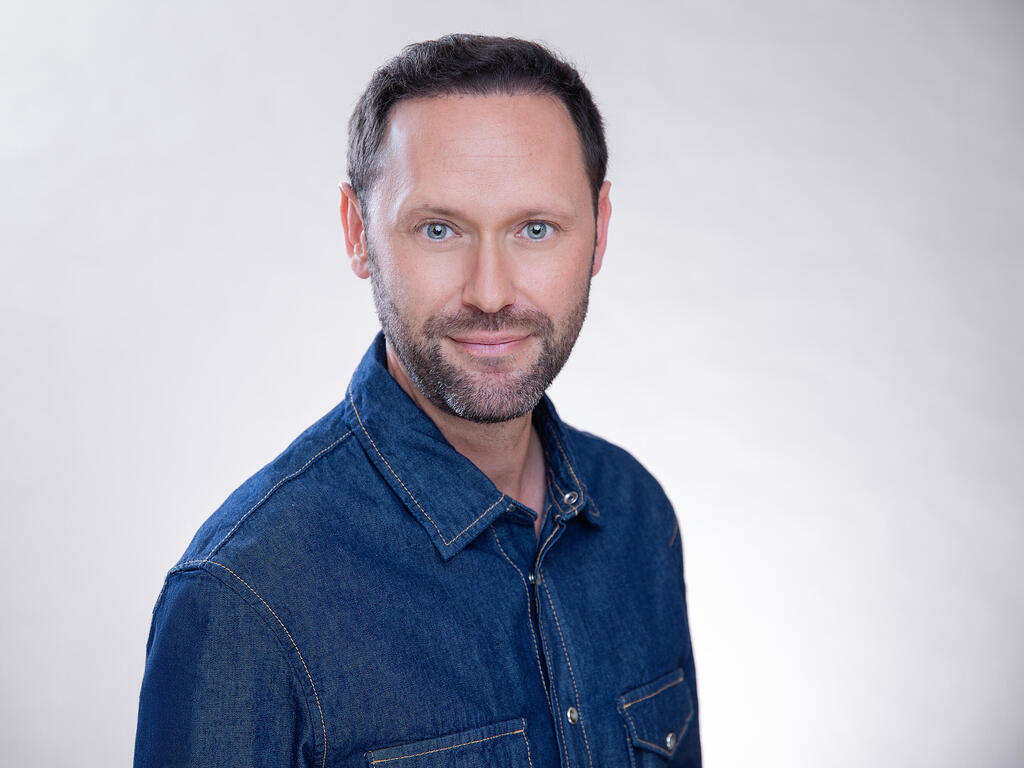
Shimon Hason, CEO of Incredibuild
Industry: Enterprise Software
That we know what we’re doing! AI’s capabilities, and the rate at which they’re advancing, is as much a surprise to everyone in the technology industry as it is to everyone outside of the technology industry. We’re just experiencing it before everyone else, because we’re the first to adopt and the first to find our own jobs changing dramatically in the process.
The same excitement people feel because they can build a tool using Lovable or Replit that they couldn't have imagined building themselves a year ago, we also feel. The same anxiety people feel because they know that some of the work they do, especially things like data entry and manually running a business process, is going to disappear, we also feel.
JEEN AI
Oded Tahori, CEO Jeen AI
Industry: Enterprise Software
The biggest misconception is that AI is a model race. It isn’t. Foundation models are improving rapidly and becoming increasingly accessible. The real challenge is making AI trustworthy and enterprise-ready- connecting it securely to organizational knowledge, embedding it into business processes, and governing it responsibly. Long-term value won’t come from having the smartest model, but from making AI work reliably at scale.
Oktopost
Colin Day, CMO at Oktopost
Industry: Marketing Tech
The biggest misconception is that AI will replace marketers. It won't. AI will replace many of the repetitive tasks marketers perform today, but strategy, creativity, judgement, and trust remain fundamentally human responsibilities.
In fact, AI makes those qualities even more valuable. As autonomous agents become capable of making thousands of decisions every day, organizations will need experienced marketers to define goals, establish governance, and ensure technology strengthens customer relationships rather than simply increasing the volume of content being produced.
Pulsenmore
Dr. Elazar Sonnenschein, CEO at Pulsenmore
Industry: Healthtech
One of the biggest misconceptions is that innovation in healthcare is primarily about inventing new technology. In reality, technology is only one part of the equation. The real challenge is integrating it into clinical practice in a way that improves outcomes, fits naturally into existing workflows, and creates value for patients, providers, and healthcare systems alike.
Success isn't measured by how advanced a technology is, but by whether it solves a meaningful problem and becomes part of everyday care.
SAP
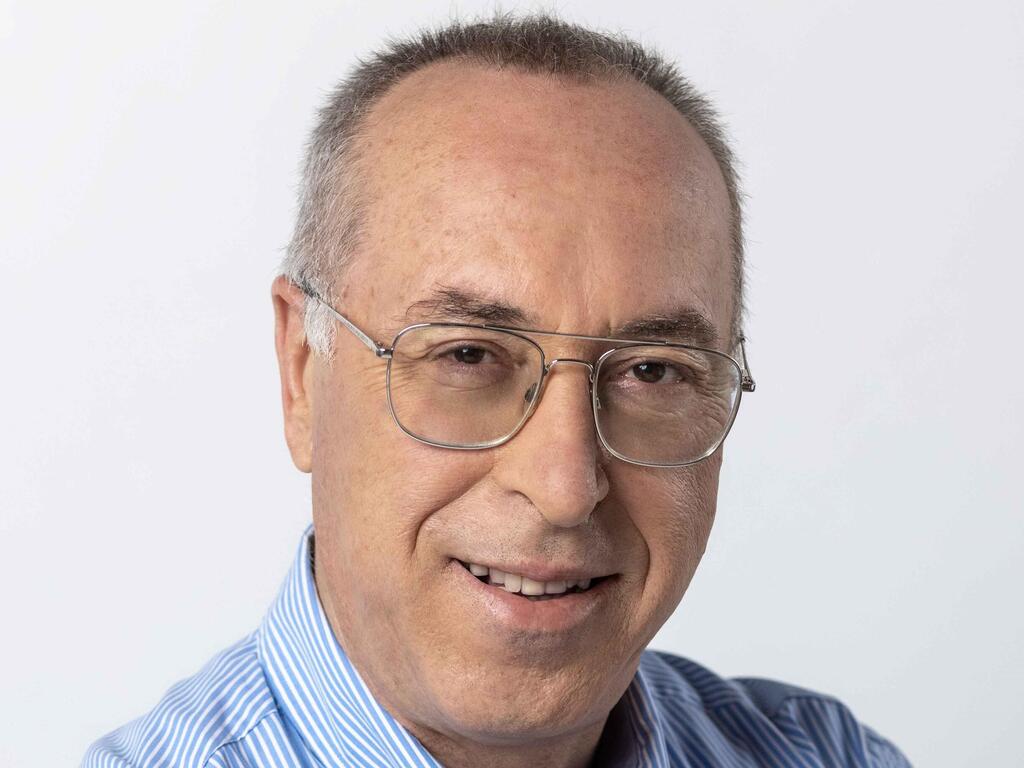
Eliel Schurman, VP Engineering at SAP BTP Foundation Services
Industry: Enterprise Software
The biggest misconception is that software engineering is becoming easier because AI writes code.
In reality, writing code has never been the hardest part. Understanding customers, making architectural trade-offs, ensuring security, building resilient systems, and making responsible decisions are far more challenging. AI lowers the cost of creating software, which means we'll build more of it but not simpler systems. The complexity simply moves up the stack.
The future belongs to engineers who combine technical excellence with judgment, communication, and business understanding.
First published: 18:50, 02.07.26



