










Syngenta partners with Israeli Groundwork BioAg
Global farming giant will market fungi-based technology designed to boost crop resilience, improve soils and generate carbon credits for farmers.
Syngenta and Israeli agricultural biotechnology company Groundwork BioAg have announced a strategic partnership to commercialize Groundwork’s mycorrhizal technology and soil carbon solutions, in a move aimed at combining crop productivity improvements with new revenue opportunities for farmers through carbon credits.
Under the agreement, Syngenta will market mycorrhiza-based products and carbon solutions under its own brand. The offering will initially target corn, soybeans, cereals and sunflower growers in Latin America and Europe.
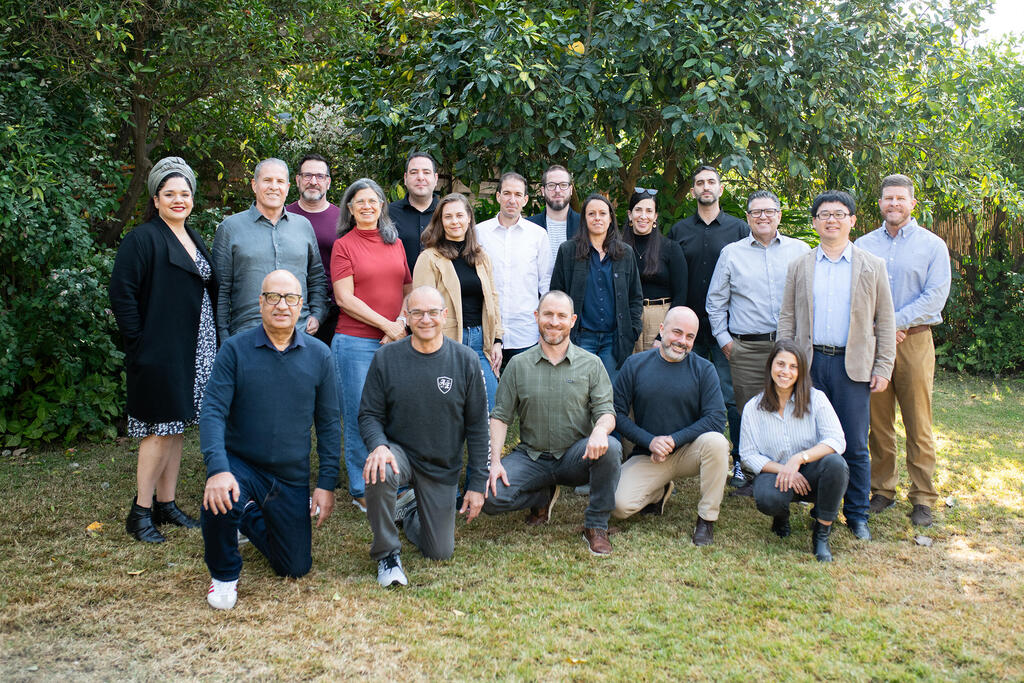
Neither company disclosed the financial terms of the agreement, but industry estimates value it at between $30 million and $50 million over the coming years. Groundwork BioAg has raised approximately $40 million from climate and agriculture-focused investors and employs around 70 people across offices in Israel, the United States, Brazil, Canada, India and China.
Groundwork will remain responsible for manufacturing and supplying the products, providing digital tools, and managing the development of the carbon program. The companies said the technology is designed to improve nutrient and water uptake, helping farmers achieve higher and more resilient yields while generating additional income through carbon credits.
The partnership comes as agricultural companies increasingly look for biological alternatives and climate-related solutions that can improve farm productivity while addressing environmental challenges.
"The model we've built with Groundwork BioAg goes beyond farming carbon," said Petra Laux, Chief Sustainability Officer at Syngenta Group. "It builds resilience, restores soil health and accumulates long-term carbon stocks, while generating carbon credits from which farmers directly benefit. We see this as a natural evolution of what carbon programs can achieve."
Groundwork BioAg CEO Alon Werber said the agreement represents commercial validation of the company's technology.
"This partnership provides commercial validation of our technology and is expected to generate a substantial source of revenue for farmers and Groundwork over the next few years," Werber said. "By combining Syngenta's market access with our proven mycorrhizal capabilities, we are positioning mycorrhizal fungi as both a valuable agricultural input and a significant pathway for climate mitigation through our end-to-end carbon program."
Groundwork's technology is based on mycorrhizal fungi, naturally occurring microorganisms that form symbiotic relationships with plant roots. The fungi help crops absorb nutrients and water more effectively, while supporting long-term soil health.
The company's Rootella product line is applied across millions of commercial acres globally, and its Rootella Carbon program provides nature-based carbon removal through agricultural practices. According to Groundwork, the program currently covers more than 280,000 hectares.
Soil carbon sequestration refers to the process by which carbon dioxide is absorbed from the atmosphere through plant photosynthesis and stored in the soil through biological activity. Mycorrhizal fungi contribute to the formation of durable organic matter that can retain carbon in soil over long periods.
For farmers, soils with higher carbon levels are generally more fertile, retain water more effectively and are more resilient to drought and erosion.



