










Why investors poured $340 million into three Israeli cyber startups before anyone knew they existed
Oak, Neo and Glow emerged from stealth within days of each other, reflecting a broader shift toward AI-native enterprise security.
Three Israeli cybersecurity startups emerged from stealth within the space of a week, unveiling a combined $340 million in funding and underscoring where investors believe the next major battleground in enterprise security lies: protecting organizations as artificial intelligence reshapes corporate computing.
The announcements, by Oak, Neo and Glow, were spread across eight days in July, creating the appearance of a sudden surge in funding for Israeli cybersecurity. In reality, the rounds were likely completed months earlier, reflecting investment decisions made well before the companies stepped into the spotlight.
Taken together, however, the debuts offer a snapshot of how rapidly cybersecurity is being redefined by AI. While each company is attacking a different part of the enterprise stack, all three are built around the premise that conventional security products were designed for a world in which humans, rather than autonomous software, were making decisions inside corporate networks.
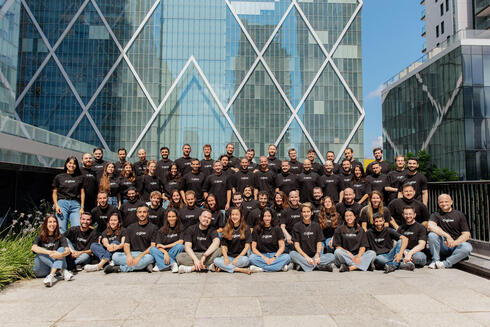
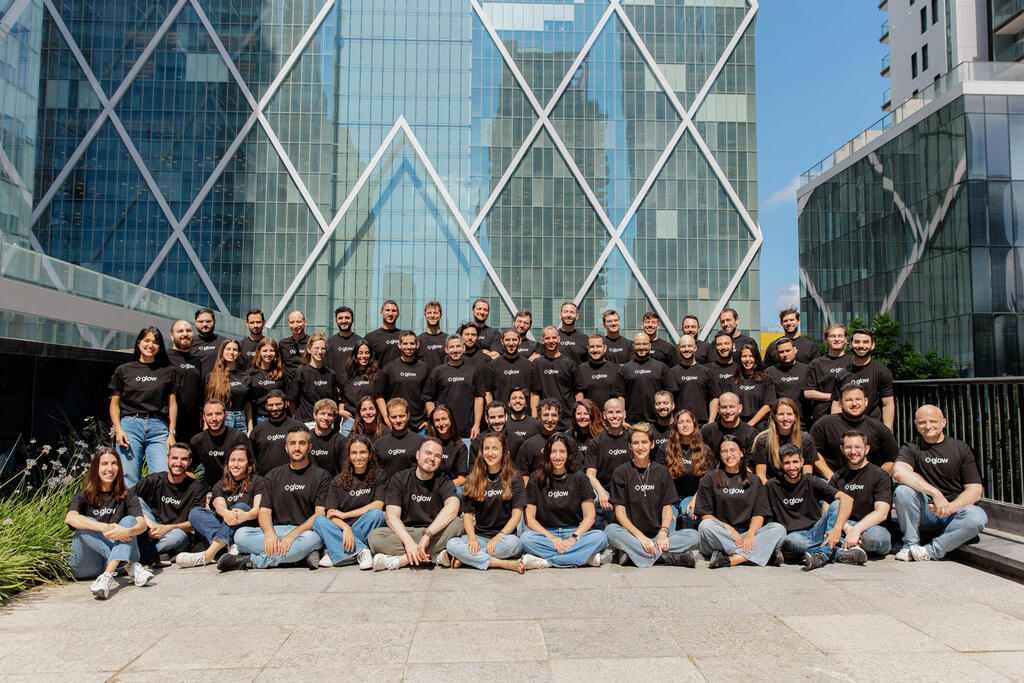
The largest financing came from Glow, which emerged from stealth with $180 million at a $1.2 billion valuation after raising capital across three rounds in roughly a year. Founded in 2025 by executives from Meta, Snowflake and Claroty, the company is targeting the $40 billion endpoint security market, arguing that AI has fundamentally changed the nature of the corporate device.
"With all the investment in cyber, attackers find new entry routes, and everything eventually ends up at the endpoint," said CEO and co-founder Roi Tiger. "If you understand how to use AI to deal with it before it happens and work proactively, you can provide a solution where prevention also reaches the endpoints."
Glow argues that laptops and workstations have become the point where employees connect AI agents, experiment with new AI tools and integrate autonomous software into everyday workflows, often before security teams understand the risks. The company says regular use of AI tools on enterprise devices has jumped from 15% to 45% in a single year.
Tiger, who spent nearly a decade at Meta following its acquisition of his startup Onavo, said existing endpoint products have evolved into a collection of disconnected tools.
"If you look at endpoints, there are a lot of point solutions," he said. "Each company solves something small there and does not offer a comprehensive solution."
Only two days earlier, Neo emerged from stealth with $100 million, positioning itself around what its founders believe is an entirely new cybersecurity category: governing autonomous AI agents.
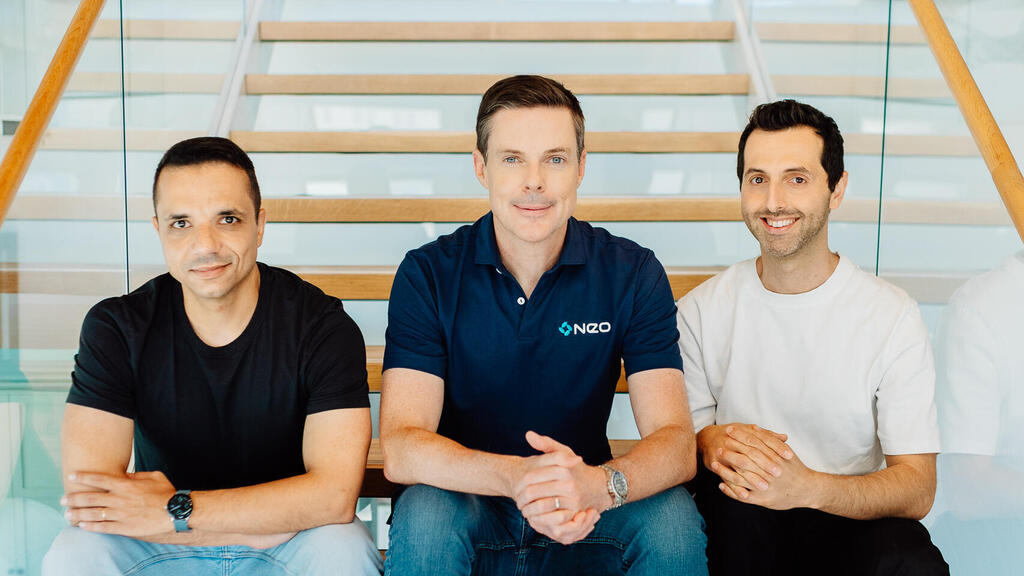
The company was founded by executives from SentinelOne, Wiz and Palo Alto Networks, and has built a platform that inventories AI agents, AI-powered applications, browser extensions and digital identities while monitoring what those systems can access and how they behave.
According to Gartner data cited by the company, only 5% of enterprise applications incorporated agentic AI capabilities in 2025, but that figure is expected to reach 40% by the end of 2026.
"The challenge with AI agents is that they operate with legitimate user permissions," said co-founder Shlomi Salem. "Organizations don't always know what information those agents can access, what actions they're authorized to perform, or how they learn about the organization."
Neo argues that traditional endpoint, cloud and identity security tools were built for software that behaved predictably. AI agents, by contrast, can reason, invoke external tools and make autonomous decisions while appearing to operate as legitimate employees.
Five days before Neo's announcement, Oak emerged from stealth with a $60 million Seed round, one of the largest seed financings ever disclosed by an Israeli cybersecurity startup.
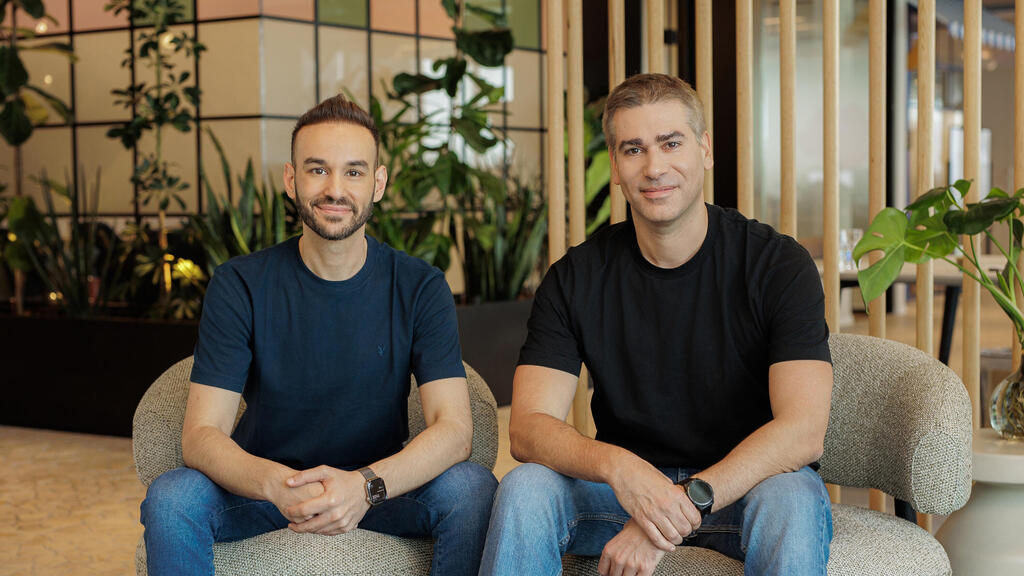
Rather than focusing on endpoints or AI agents themselves, Oak is attempting to rebuild enterprise identity management around AI. Its platform maps every identity across an organization, employees, contractors, machines and AI agents, while continuously analyzing how those identities behave rather than relying on static access records.
Founder and CEO Shai Morag, whose previous cybersecurity companies were acquired by Mellanox, Palo Alto Networks and Tenable, believes identity has become one of the industry's largest remaining opportunities.
"The market has reached a breaking point," Morag said. "The tools enterprises rely on today were never designed to work together, and adding more products has never solved the problem."
The concentration of announcements also highlights another enduring characteristic of Israel's cybersecurity industry: experienced founders continue to attract unusually large amounts of capital before shipping products at scale.
Glow's founders previously held senior roles at Meta, Snowflake and Claroty. Neo was created by executives from SentinelOne, Wiz and Palo Alto Networks. Oak's founder had already built and sold three cybersecurity companies worth a combined approximately $500 million.
Investors appear increasingly willing to back those pedigrees as enterprises confront AI-driven security problems that established vendors have yet to solve.
Although each company addresses a different layer of enterprise infrastructure, they share a remarkably similar diagnosis. AI is creating new identities, new software and new attack paths that move faster than conventional security products were designed to handle.
That belief is also reflected in where the startups are choosing to compete. Rather than targeting narrow security problems, all three are pursuing foundational enterprise platforms. Glow wants to redefine endpoint security, Neo is attempting to establish a new control layer for AI agents, and Oak is rebuilding identity management around AI-native infrastructure.
Whether those categories ultimately become enduring markets remains uncertain. Cybersecurity has a long history of startups declaring the birth of entirely new sectors, only for larger vendors to absorb the technology or incorporate similar capabilities into existing platforms.
But the willingness of investors to commit hundreds of millions of dollars before these companies reached the public eye suggests they view AI not as another feature to bolt onto existing products, but as a structural shift likely to reshape enterprise security over the coming decade.
For Israeli cybersecurity, the timing of the announcements may have been coincidental. The message they collectively delivered was not.



