









“14A seems like the right move”: Musk hands Intel a critical win
Tesla plans to use next-generation chips for Terafab AI project.
Intel has secured a crucial endorsement for its next-generation chip manufacturing technology, after Tesla CEO Elon Musk said the electric vehicle maker plans to use the company’s 14A process for future processors tied to his sprawling “Terafab” project.
The decision, disclosed by Musk on Wednesday, would make Tesla the first major external customer for Intel’s most advanced manufacturing node, an important milestone for a chipmaker that has struggled to build a competitive contract manufacturing business.
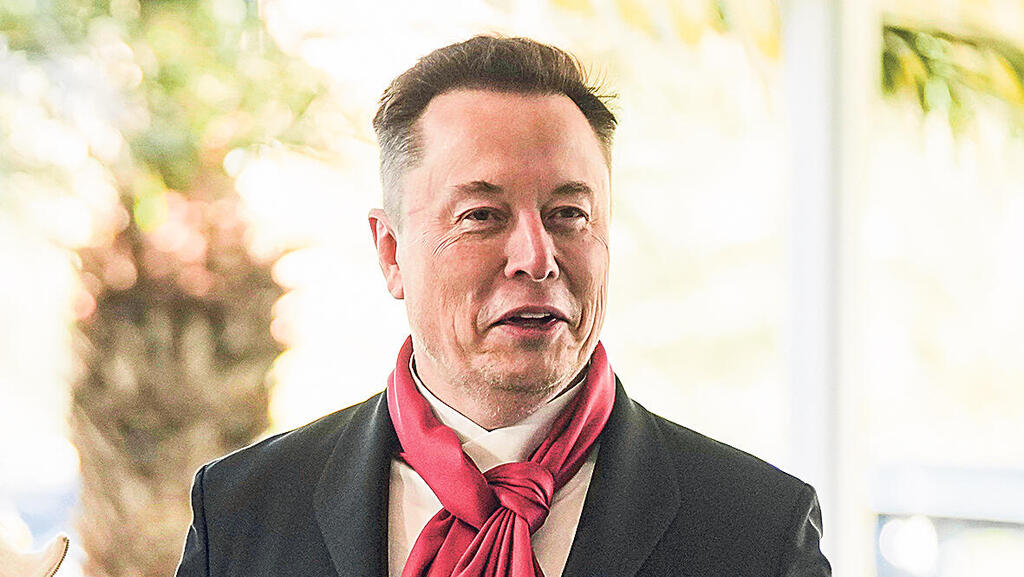
“14A seems like the right move, and we have a great relationship with Intel,” Musk said, adding that by the time Tesla’s project scales, the technology should be “fairly mature or ready for prime time.”
For Intel, the comments carry weight beyond a single customer relationship. The company has been seeking to attract outside clients to its foundry business as it attempts to challenge industry leader TSMC. CEO Lip-Bu Tan has previously warned that failure to secure external customers could force Intel to reconsider its manufacturing ambitions altogether.
Tesla’s planned use of Intel’s technology is tied to Terafab, an expansive chip manufacturing initiative Musk has outlined in Austin. The project is designed to support the company’s long-term push into artificial intelligence, robotics and data infrastructure.
Musk has described Terafab as eventually producing up to one terawatt of computing capacity annually, roughly double the current total generated across the United States. Achieving that scale would require vast investment, with estimates ranging from $5 trillion to $13 trillion in capital expenditure.
The scope of the project underscores both its ambition and its uncertainty. Key questions, including who will finance the facilities, who will operate them and when they will become operational, remain unresolved.
Even so, Musk has continued to frame the effort as central to Tesla’s future revenue streams, arguing that increased capital spending is necessary to support the company’s broader ambitions.
Tesla’s investors appeared less convinced in the short term, with the company’s shares edging lower in extended trading after Musk reiterated plans to increase capital expenditure.
Intel had previously said it was in discussions with large customers for its 14A technology but had not publicly identified any major commitments. It declined to comment on Musk’s statements.
The development comes as Intel faces broader pressures, including supply constraints that have limited its ability to meet demand for AI-related chips and expectations of declining near-term earnings.
Against that backdrop, Tesla’s endorsement, however early, offers a signal of confidence in Intel’s technological roadmap.



