










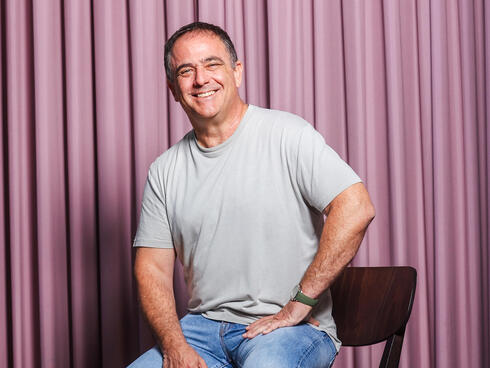
Shlomo Kramer launches fund to support veteran Israeli artists in music, poetry, and film
Kramer, co-founder of Check Point and CEO of Cato Networks, together with researcher Prof. Naama Friedmann, has established the Coda Fund, with an initial budget of 5 million shekels over the next three years. The fund will support 5 to 10 artists who have made a significant cultural contribution.
Shlomo Kramer, one of the founding fathers of Israel’s high-tech industry, and researcher Prof. Naama Friedmann announced on Wednesday the establishment of the Coda Fund to support veteran Israeli artists whose work forms a significant part of Israeli culture, enabling them to live with dignity and continue creating. The fund’s initial budget is 5 million shekels for the next three years.
“I work in a world of creation that does provide economic security – I see high-tech entirely as a world of creation. Because I consume and enjoy Israeli culture, I started thinking about those who chose a different creative path that does not offer the same financial stability later in life. That’s where the idea came from,” Kramer tells Calcalist.
In the next three years, the fund will support 5-10 veteran artists from the fields of music, poetry, and film (with an option for extension). For privacy reasons, Kramer cannot share their names, but he emphasizes that these are artists who have made a significant contribution to culture and are now facing financial difficulties and challenging life circumstances. The fund’s name is taken from the musical term “coda,” the concluding section of a musical composition.
Kramer, CEO of Cato Networks and co-founder of Check Point and Imperva, and Friedmann, a cognitive neuropsychologist and one of Israel’s leading researchers in the field of language and the brain, have known each other since their military service. The idea emerged in a meeting between the two, where she described how she personally guided and supported a well-known artist through the release of an album. “When Naama told me about her personal project, it clicked with an idea I had been sitting on for years, and we teamed up to turn it into something more institutional. The goal is for the fund to eventually expand to support additional artists and provide a three-year living grant to those with a portfolio and a meaningful, wide-ranging contribution to Israeli culture, who are in need of this support.”
The grants provided by the fund will serve as a dynamic support system covering the direct costs of the creative process, from studio hours for recordings to cameras and editing computers, alongside ongoing living expenses such as housing, medical services, transportation, and more.
In the two years since the October 7 attack, the private and business sectors have mobilized to provide assistance across all areas. People have donated funds and resources that are supposed to be the responsibility of the state. When asked whether it is not the state’s role to support artists, Kramer says: “The fact is that no one is doing it. This idea is innovative not only in Israel but also internationally. I am not aware of a fund of this kind, an open residency for veteran artists, and it is essentially a start-up in the philanthropic space. We live in the world we live in, and therefore we will do this.”
How are the artists selected?
“Naama and a team of advisors who work with her will handle the selection. Either way, we won’t be able to support everyone, but we will try to support the most significant ones and those who truly need it.”
Was the funding raised from private individuals?
“The funding comes solely from me. I find this very important, and I hope I am the first, but not the last to do this. A society needs to thank those who dedicated their lives to it, who contributed to Israeli culture, or any other country’s culture just the same ,and this is a way to express gratitude for that.”



