










As IPO nears, Arava Power commits to largest US solar investment yet
Texas project highlights the growing overseas ambitions of the Israeli energy developer.
Renewable energy company Arava Power is expanding its operations in the United States and entering its largest project to date. The company, led by CEO Ilan Zidkony, signed an agreement this weekend to acquire a 50% stake in the La Salle Solar project in Texas from American developer OCI Energy.
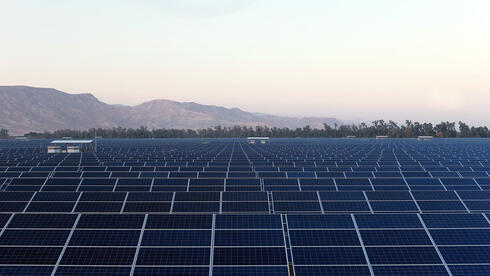
The two companies signed a MIPA agreement, a membership interest purchase agreement, under which they will become equal partners in the project and jointly advance it toward construction, ownership, and operation. The project involves the construction of a solar power plant in La Salle County, Texas, spanning approximately 14,000 dunams and with a planned capacity of 670 megawatts DC.
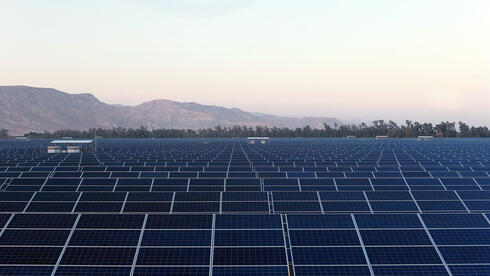
This is the largest single-site solar project in which the two companies have partnered to date, and also Arava Power’s largest project in the US market. The project is in advanced development stages ahead of construction, with commercial operations expected to begin in 2028.
The total construction cost is estimated at approximately $800 million, implying Arava Power’s share will amount to roughly $400 million. However, as is customary in projects of this type, most of the financing is expected to come through bank project financing and tax-equity partners, meaning each partner’s required equity contribution is expected to total approximately 15%-20% of the construction cost.
In addition, Arava paid OCI an undisclosed amount for the acquisition of its stake in the project, which market estimates place at approximately $10 million to $20 million.
Following completion of the transaction, Arava Power is expected to work in the coming weeks to finalize a series of key agreements required to advance the project, including construction contracts, power purchase agreements, project financing arrangements, and the addition of a tax-equity partner, with the goal of reaching financial close and beginning construction by the end of the year.
This is not Arava Power’s first collaboration with OCI. The companies are already partners in two additional US projects: Sunray, a solar field that began commercial operations in August 2024, and SunRoper, a 347-megawatt solar project currently under construction and expected to begin operations in the third quarter of 2027.
With the completion of all three projects, Arava Power’s installed capacity in the US is expected to exceed 1 gigawatt, just four years after the company entered the American market.
As previously revealed by Calcalist, Arava Power is preparing for an IPO on the Tel Aviv Stock Exchange at a targeted valuation of NIS 1 billion to NIS 1.2 billion, with plans to raise approximately NIS 300 million, capital that could also help finance the new US project.
The offering is expected to be based on the company’s first-quarter financial results and is being led by Giza Singer Even, which holds 35% of Arava Power through its infrastructure fund and is considered a controlling shareholder alongside a group led by Kibbutz Ketura, which owns 38%.
Phoenix Insurance and Finance holds 20% of the company after selling a 5% stake to Giza’s fund during Arava Power’s most recent fundraising round in October, which valued the company at NIS 500 million post-money. The move was intended to facilitate the IPO, as institutional investors in Israel are prohibited from holding more than 20% of a public company.
The remaining shares, approximately 7%, are held by the Jewish National Fund and other investors.
Arava Power was founded in 2007 by Kibbutz Ketura together with chairman Ed Hofland and vice chairman David Rosenblatt. The company has developed solar fields with a combined capacity of 120 megawatts, has approximately 570 megawatts currently under construction, and a development pipeline totaling roughly 2 gigawatts.



