







Inside the sale of Varonis: How Thoma Bravo secured the $6.3 billion deal
Varonis's board initially sought $54 a share but accepted $49.75 after the private equity firm called its offer final. A newly filed proxy reveals how eight strategic buyers failed to produce an offer, how negotiations unfolded and what the deal means for the company's executives and roughly 1,000 employees in Israel.
Varonis's board asked Thoma Bravo for $54 a share in August. It accepted $49.75 after the buyer called that its "best and final" offer, according to the preliminary proxy statement filed for the $6.3 billion takeover by Proofpoint, a Thoma Bravo portfolio company.
The filing, dated Nov 5, gives the most detailed account yet of how the Israeli-founded cybersecurity company came to be sold. None of the eight strategic buyers that Varonis's bankers approached is described as making an offer. The only rival private equity bid, $38 to $40 a share, was rejected as inadequate.
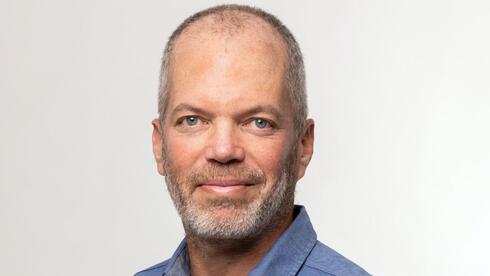
Thoma Bravo's Chip Virnig first contacted CEO Yaki Faitelson on March 28, 2025, the filing says. Proofpoint CEO Sumit Dhawan reached out that September, and Thoma Bravo signed a confidentiality agreement in December. Faitelson met Thoma Bravo's Orlando Bravo in person on Dec 17.
By April 27 this year, the board decided to act. It cited "the uncertainty created by the macroeconomic environment," "potential for continued disruption from artificial intelligence models" and "credible inbound interest from Thoma Bravo." It formed a four-member transaction committee and engaged Goldman Sachs, which was authorized on May 4 to approach eight strategic parties. Sponsor outreach was deferred "to help mitigate the risk of information leaks."
The stock had fallen sharply before the process began. It dropped about 49% in one session on Oct 29, 2025 after weak results and a staff cut announced without a profit warning, and hit an intraday low of $19.70 on April 10.
On May 17, Dhawan sent a non-binding letter proposing $36 a share, about a 28% premium to the prior close, with a request for 45 days of exclusivity. The committee told management the offer was not at a level "in either price or certainty" at which the board would proceed.
Within days, Goldman reported that four of the eight strategic parties had declined. Others engaged and dropped out. By July 20, only one strategic buyer, identified as Strategic B, remained active, and it showed limited interest. Press reports on Jun 23 and Sep 2 said Varonis was exploring a sale and then that Proofpoint was in advanced talks.
Four financial sponsors approached the company on their own. Sponsor D, after meeting Faitelson and CFO Guy Melamed in Las Vegas on Aug 5, indicated $38 to $40 a share. The board told Goldman to say the company was "not interested" because the proposal "did not adequately reflect the intrinsic value of the Company." Another sponsor said its interest was in the "low to mid $30s," below the market price, and did not bid.
Thoma Bravo moved up in steps. It offered $43 verbally on Aug 11, when Goldman said the company would need a "meaningful increase," and $46.50 in writing on Aug 13. On Aug 16 the board decided to seek $54, roughly 20% above the stock price, and refused to grant exclusivity.
Thoma Bravo came back at $49.50 on Aug 17. On Aug 18 the committee authorized a $50 counter and discussed remaining independent or taking a minority investment, an idea two sponsors had floated. It decided not to re-engage other bidders. That afternoon Thoma Bravo returned with $49.75.
Signing took until Oct 15. Most of the negotiation concerned who would pay if the deal failed. The fee Varonis would owe on a superior bid moved from 2.0% to 3.5%, back to 2.5%, and settled at 3.375%. Thoma Bravo's reverse fee began at nothing in early drafts and ended at 6.75%, exactly twice Varonis's. In dollars, that is $211.7 million against $423.3 million. Thoma Bravo asked for expense reimbursement and for voting agreements from every director, and the board refused both. Only Faitelson signed, covering about 0.67% of the shares.
The headline premium is 52%, measured against the Jun 22 close of $32.71, the last day before sale rumors. Goldman's fairness analysis measured against Sep 1, and the premium to that close is 17.5%. Against the Oct 13 close of $48.72 it is 2.1%.
The price is also below where the shares traded before the October 2025 plunge, when they closed around $63. Goldman's discounted cash flow analysis gave a range of $36.40 to $54.12 a share. The deal price falls in the upper half of that range.
The proxy's estimates of merger-related payments assume a qualifying termination at closing. They put Faitelson's at about $106 million, most of it performance share units. The estimates for Melamed and CTO David Bass are about $39.8 million and $39.7 million. They are $25.1 million for Gregory Pomeroy and $12.9 million for General Counsel Dov Gottlieb.
Faitelson will also serve for 18 months after closing. He will receive a $560,000 salary and $440,000 target bonus, plus units in the new parent with a $10 million target value. He agreed to reinvest $15 million of his proceeds. The 8-K had described his role only as "non-executive services." Goldman, Varonis's adviser, expects about $63 million in fees if the deal closes. It also disclosed roughly $227 million in compensation from Thoma Bravo over the past two years, and a lending relationship with the firm.
Employees and Israel
The merger agreement requires Proofpoint to keep pay and benefits no less favorable, in aggregate, until the earlier of Dec 31, 2027 or 12 months after closing. It contains no headcount commitment. Unvested stock awards convert into cash awards that keep their vesting schedules. Payments for Israeli employees' stock awards run through a trustee and depend on rulings from the Israel Tax Authority.
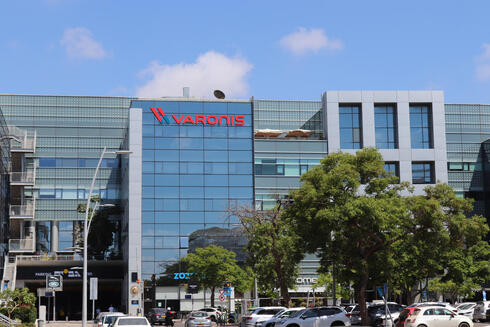
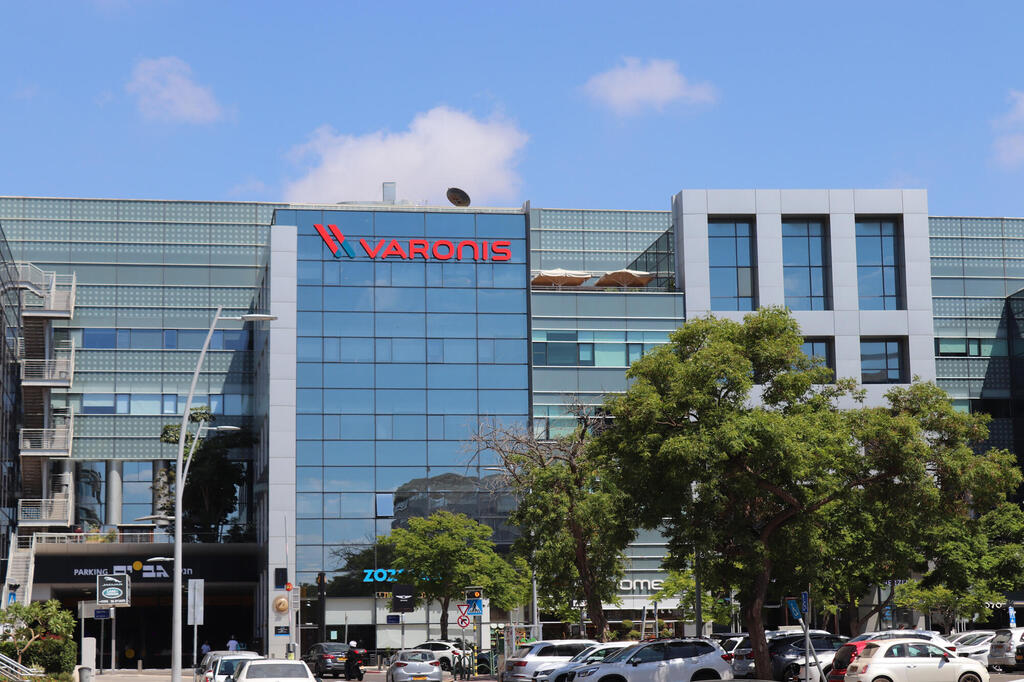
Varonis employs about 2,800 people, around 1,000 of them in Herzliya. Faitelson told Calcalist in October that it was "too early to discuss the workforce."
The US antitrust waiting period expires on Nov 18. Filings are also needed in Australia, France, Italy, Luxembourg and the UK. Varonis shareholders must vote, and the meeting date is not yet set. The companies expect to close in the first half of 2027.